Sony World Photography Awards /
Photographer of the Year 2023


My work has covered many subjects over the years, from topics ranging from mobility, technology, the generation power, modernity, death, incarceration, conflict, and even language itself. From a philosophical point of view, I'm very interested in topics like absence, photographic ontology, and things such as that.
Photography for me has always been a medium built around conceptual tensions. And so it offers me a means to bring together irresolvable contradictions, often challenging, but also questioning our convictions and our expectations. It is true that I've worked on different themes over the years, but the guiding thread between them is a rethinking of the representation of that particular theme, whether it would be incarceration or how we talk about war and conflict in today's world.
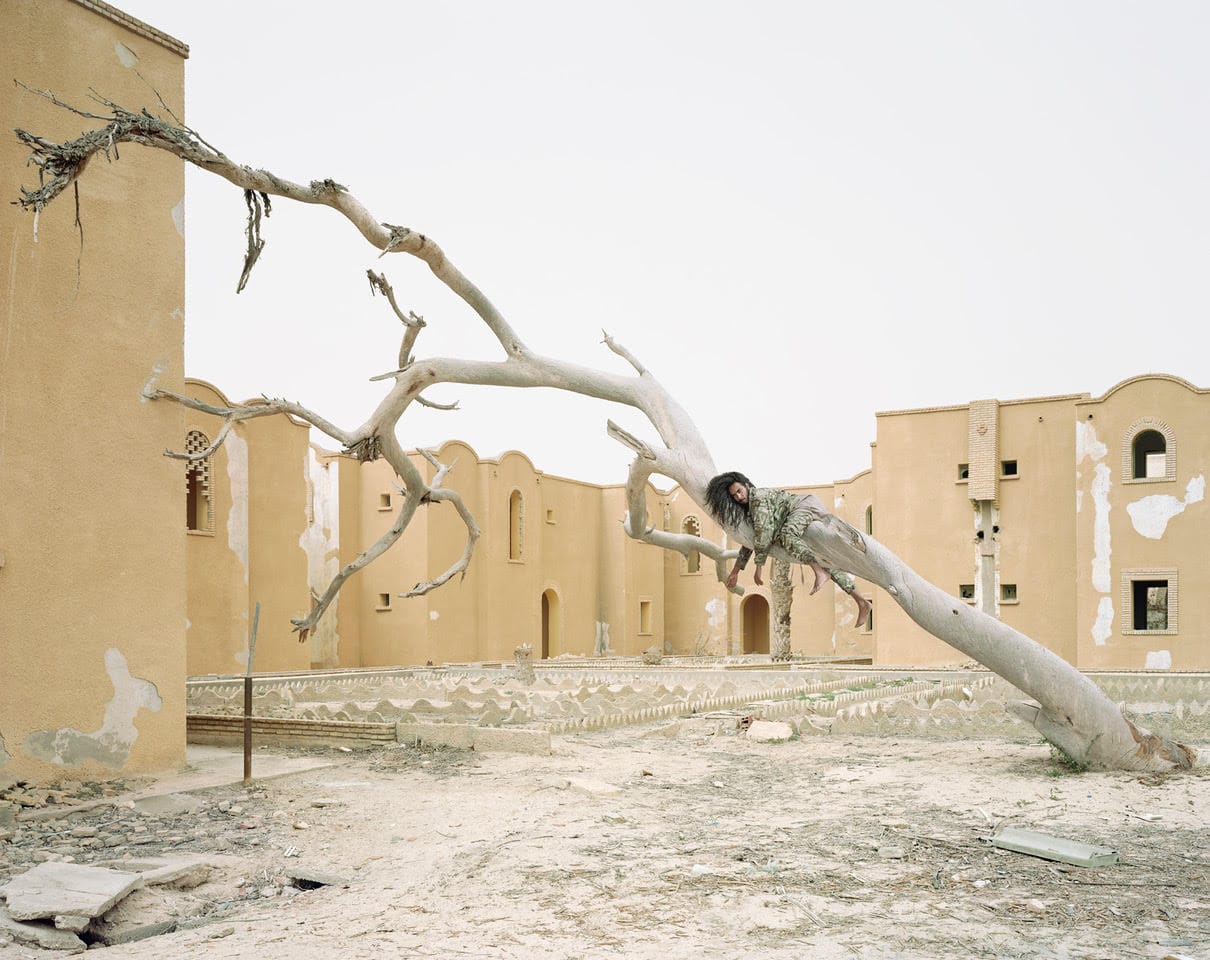
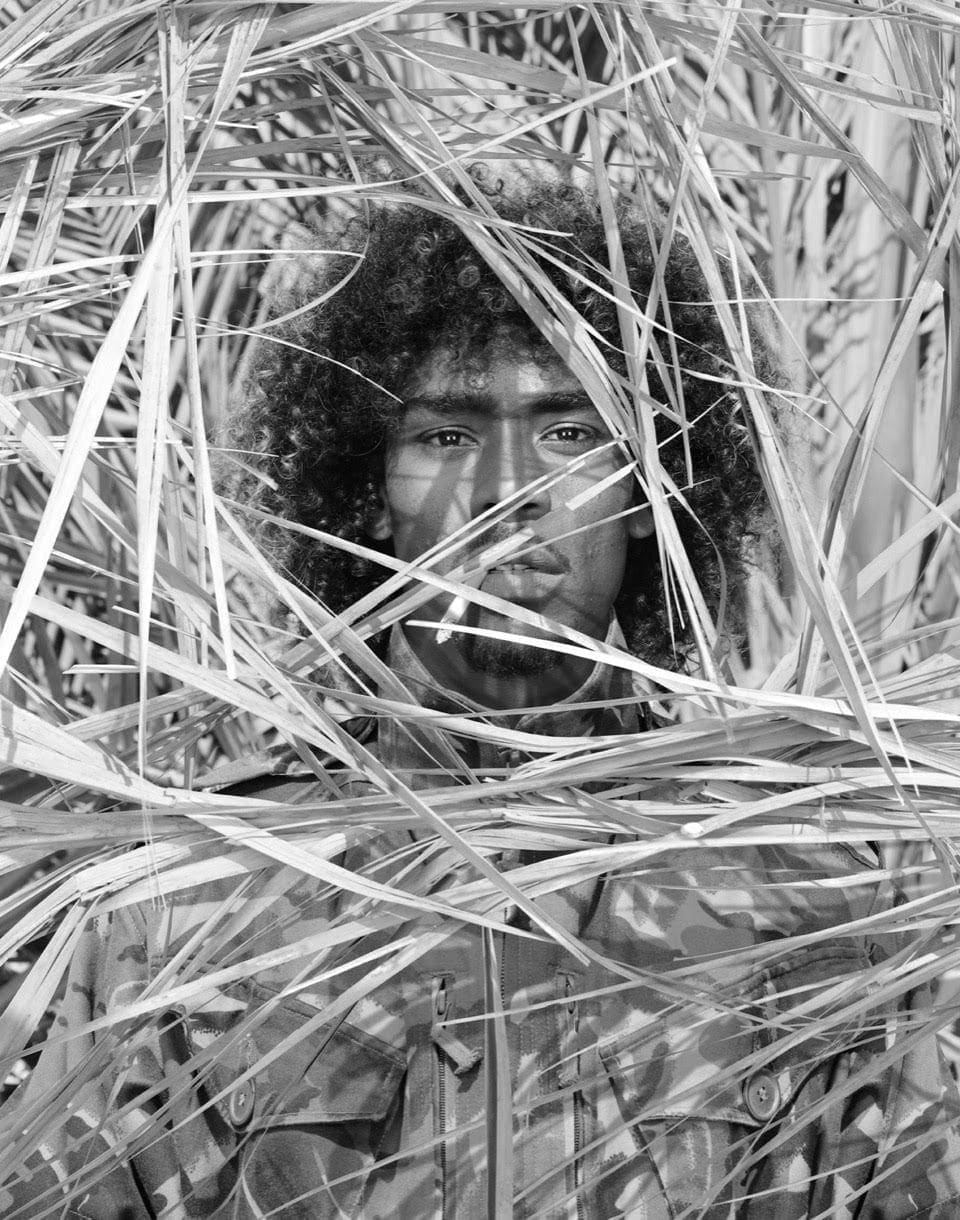
I can give you a very concrete example: the project that won the Sony World Photography Awards last year in 2023. That project is based on a story of loss and how we talk about loss. In 2011, a very close friend, who was a photojournalist, traveled to North Africa, in particular to Libya to cover the conflict that had just surfaced between pro and anti-Gaddafi forces. He traveled with three colleagues and a few days after arriving in the country, they were forcefully abducted by Gaddafi backed militia on the front line around the city of Brega – an industrial city on the Libyan coastline. We thought that he'd been kidnapped, but two months later, when his friends were finally released, we found out that he'd actually been shot dead on the very first day. His mortal remains are missing to this day.

I decided to travel to North Africa to retrace my friend's journey, to meet with myriad people involved or affected by the conflict. I decided to find interesting overlaps between both our journeys to try and understand the motivations behind his, and in doing so I momentarily stepped into my friend's shoes. But of course, this isn't just a project about honoring a slain friend. It’s also about the difficulty of documenting, witness and imagining war.
This is by far the most personal project I've produced. Most of the other projects I worked on before this one were projects that I had an interest in or themes that I wanted to understand better, but did not have such a personal element. But as I said, the common denominator between all of them is a desire to rethink the representation of something, whether it be, in this case, conflict or incarceration or death, for example.

The Sony World Photography Awards have, by far, the most reach out of all the awards I’ve applied or been nominated for to date. You know that the work will be seen worldwide, not just in the country you're living in. It also has the widest reach in terms of the press, which is quite important if you're trying to launch a project. Those were the two primary reasons why I entered the awards. It’s important to get to know the structure of the awards, and how it works. Young artists often ask me "how do I choose a project when entering a competition?" - I tell them to pay attention to who the jury is, what their background may be, but more importantly, it’s all about telling stories, telling your story. And there’s a certain skill in that… the edit and the way you describe a project has to be very tight and coherent. That comes with experience. But if you don’t have such experience then I always suggest entering as many awards as one can to perfect the editing process.
The Sony World Photography Awards process is unlike other awards that I've been involved in. There's a genuine interest in wanting to help the artist, in wanting to promote your work, not just during the awards, but also after the awards. The team have always been extremely pleasant and engaged. Overall, the opportunities it provides artists are quite amazing.
When I entered last year, I wasn’t aware that Creo was presenting a solo presentation of the previous Photographer of the Year’s series in the following year’s exhibition. I think this is a great idea because then the public gets to see how a project has developed. So it’s a combination of factors that make the awards an overall great experience. It's a huge boost for any artist.

It often takes months. For the first 15 years of my practice I went out of my way not to photograph people. That was partly because of the work itself, which was technology driven, but also due to a concern I’ve always had: the potential within photography to disavow your subjects, to unwittingly misrepresent or exploit them, even if you have the best intentions.

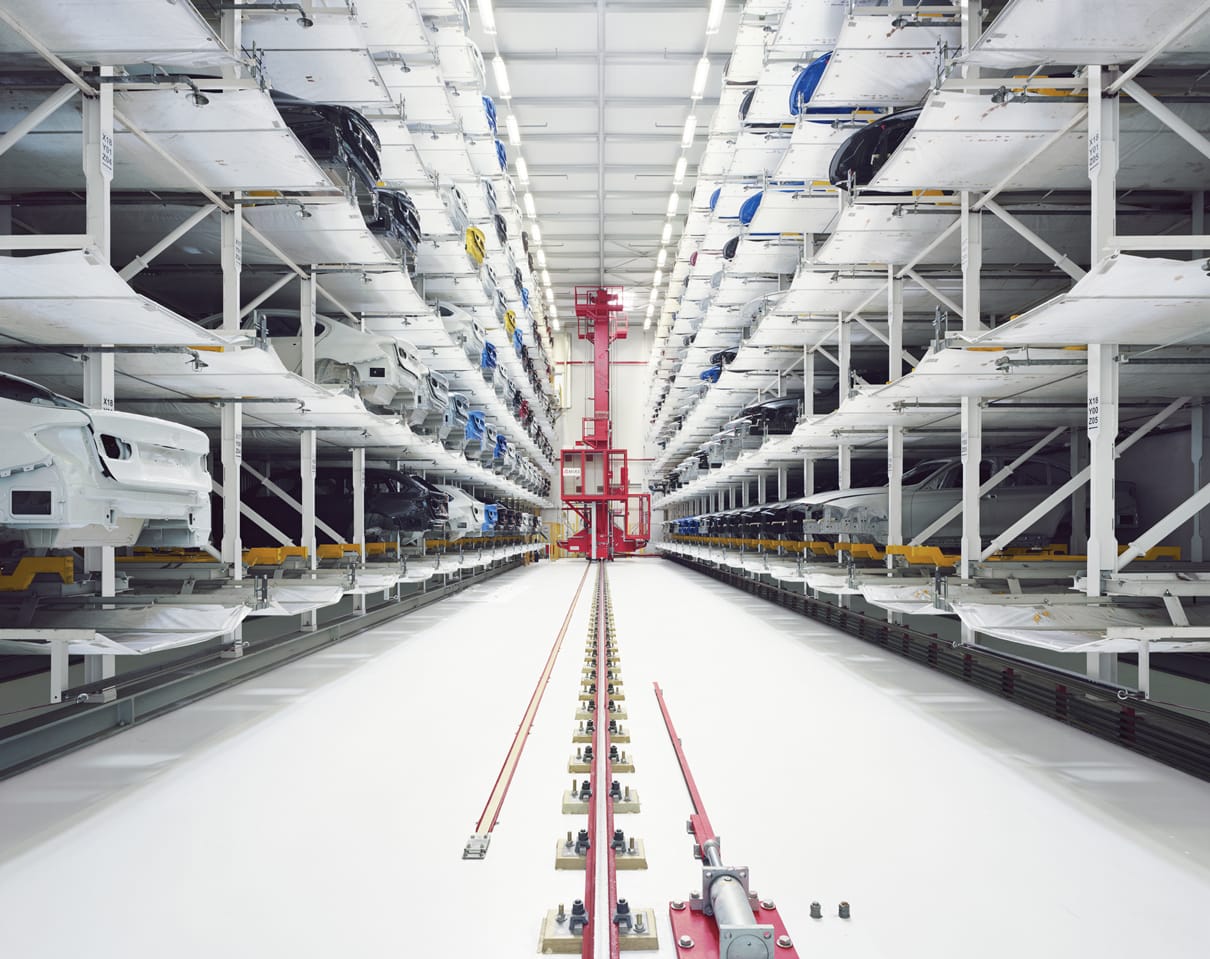
If you look at all my projects pre 2015, you will see that there isn't one person in the images. But when there are, you don’t see them. For example, I did an interesting project with a very well-known car manufacturer a while back; I was really intrigued by this idea: Can you portray factories in a way that you don't normally see them? When we think of factories, we think of very busy places open 24/7, 12 months a year, sparks flying everywhere, everything always in motion, production lines working at pace. So I set them a challenge. I said "Can we shut down production in order to photograph the factory?"
I thought that they were going to tell me: "You're crazy! Who do you think you are? You want to come in here and ask us to shut down production?" But actually, they thought the idea was so intriguing that they obliged. Car factories are busy places with people always moving around. And I was working with long exposures of up to 1 hour, in the instances in which there were people in the spaces, as they were moving around quickly, they don’t actually register in the images.
In fact, most of my images are self-portraits in that respect, in that that I'm in many of those images. I'm usually moving around within the space. For example, if you have an exposure of one hour or two to three hours, I’m often moving in the space lighting elements of it with a hand held flash. So I’m usually in the photographs but you just can’t see me.
But in the last couple of projects I have had to change my approach as the themes dictated it. I have been working on human stories so inevitably I have been photographing people. In this sense, it was absolutely crucial for me to get to know my subjects without picking up a camera. This part of the project took up to a year. I was just engaging with people without photographing them. When it comes to the project I produced with HM Prison Birmingham, I was going into the prison regularly to meet the inmates I wanted to work with, to get to know their families during family days, etc. From the outset I made some decisions that are not common in photography.
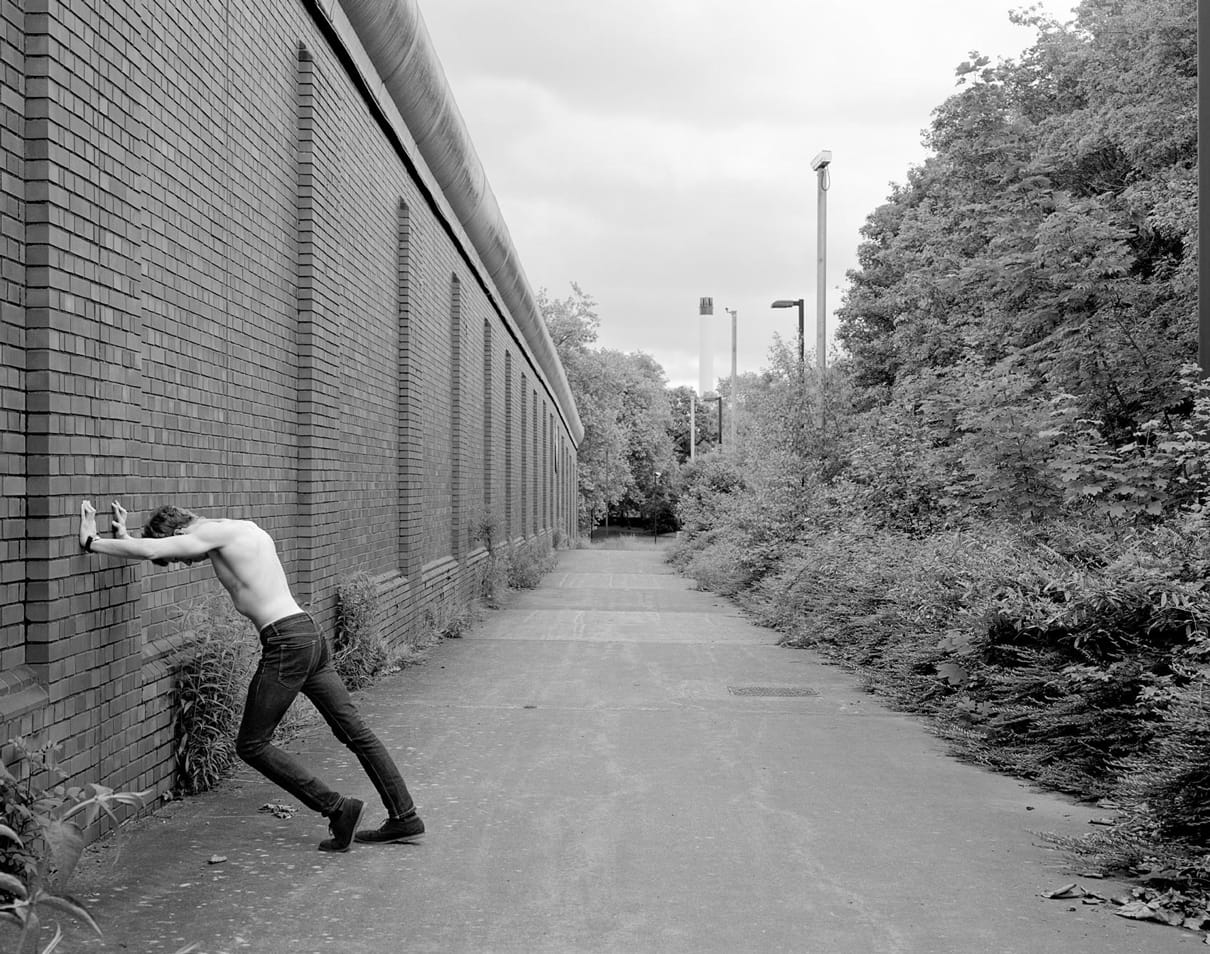
If you're producing a project with a prison about incarceration, the logic would follow that you'd make pictures inside the prison. But I didn't want to do that because that's what's always been done. So I ended up producing the entire project outside the prison walls, visiting the inmates every day but also visiting their families, often bringing their families to the outside perimeter of the prison for photoshoots. So thinking of new ways of telling a story…
In the latest project that I produced in North Africa, which won the Sony World Photography Awards 2023, it was very important for me to find a group of people to follow over a period of three or four years and to only photograph them. So that's what I focused on. I often like to get to know my subjects really well to the point where we become friends. You establish a deep friendship and connection with the people you’re working with, and that friendship remains after the project. And it’s only then that I feel comfortable in photographing them and that they feel comfortable in being photographed. Also, the equipment I use (large format film cameras) often helps that process.
Photography is very much a self-structured medium, so you shouldn’t’ have to be reliant on anyone else to do what you want to do. Sure, there are gate keepers, but ultimately making the work is down to you. Also, photography comprises many worlds: editorial, fashion, commercial, artistic, portraiture, corporate. There's so many versions of photography that you can have very different practices. Although there are crossovers, I’d say focusing on what most interests you is very important.
What I always suggest is to, firstly, experiment as much as you can; not just with the equipment, but get to know the medium creatively, to challenge its boundaries. And be patient with yourself until you develop a language that you're excited about. Don’t rush things.
From that moment on, be industrious and persistent. Don't worry about being rejected every so often because it's such a subjective thing. Winning an award is amazing and it is a great feeling, but you have to be humble about it and realize that it's always someone's subjective opinion about your work at that particular time. If you enter the same work a year later, it might not win because there might be another work that resonates more with the jury. Just be very conscious of all of those things. But more importantly, be experimental, industrious, and curious!
By ‘voice’ I assume you mean one’s artistic instinct, how we respond to the things we're interested in, the things that move us, that make an impression on us, that make us angry and so on. If I look back at a lot of my projects, my voice has been defined not by a specific way of approaching my subjects or by a specific set of aesthetics, but by curiosity. The curiosity I had for all of those subjects. The intrinsic desire to understand them. More often than not they represented things that I've been passionate about or interested in since a very, very young age.
Through photography, and this is possibly the reason why I am a photographic artist and why I have made this my career, I have access to a whole different set of environments that have always interested me. Often environments the public don’t have access to. Let’s say if I was an astronaut or a scientist, or a forensic pathologist, or a criminologist, I would likely have to narrow my research interests. I’m interested in all these areas. I have so many interests that sometimes it's difficult to contain them.
My voice is guided by the things I feel passionate about, the things I’m curious about … But sometimes I’m also interested in things where I feel there is some cognitive dissonance at play, where I feel there is a discrepancy between the thing itself and how the public sees it.
I often see my role as the mediator between the subject I’m working on and the public. When I worked with the European Space Agency, EDP Power or the Institute of Legal Medicine and Forensic Sciences, I felt that my role was that of a conduit between the hidden world of these organizations and the public consciousness. It's actually one of the reasons why those organizations open their doors to me. They recognized that in my work. So, my role or my voice is that of a mediator, if you like, but also the curious person that wants to break something down. So I think I would define it as that, more than a set of aesthetics or methodologies.
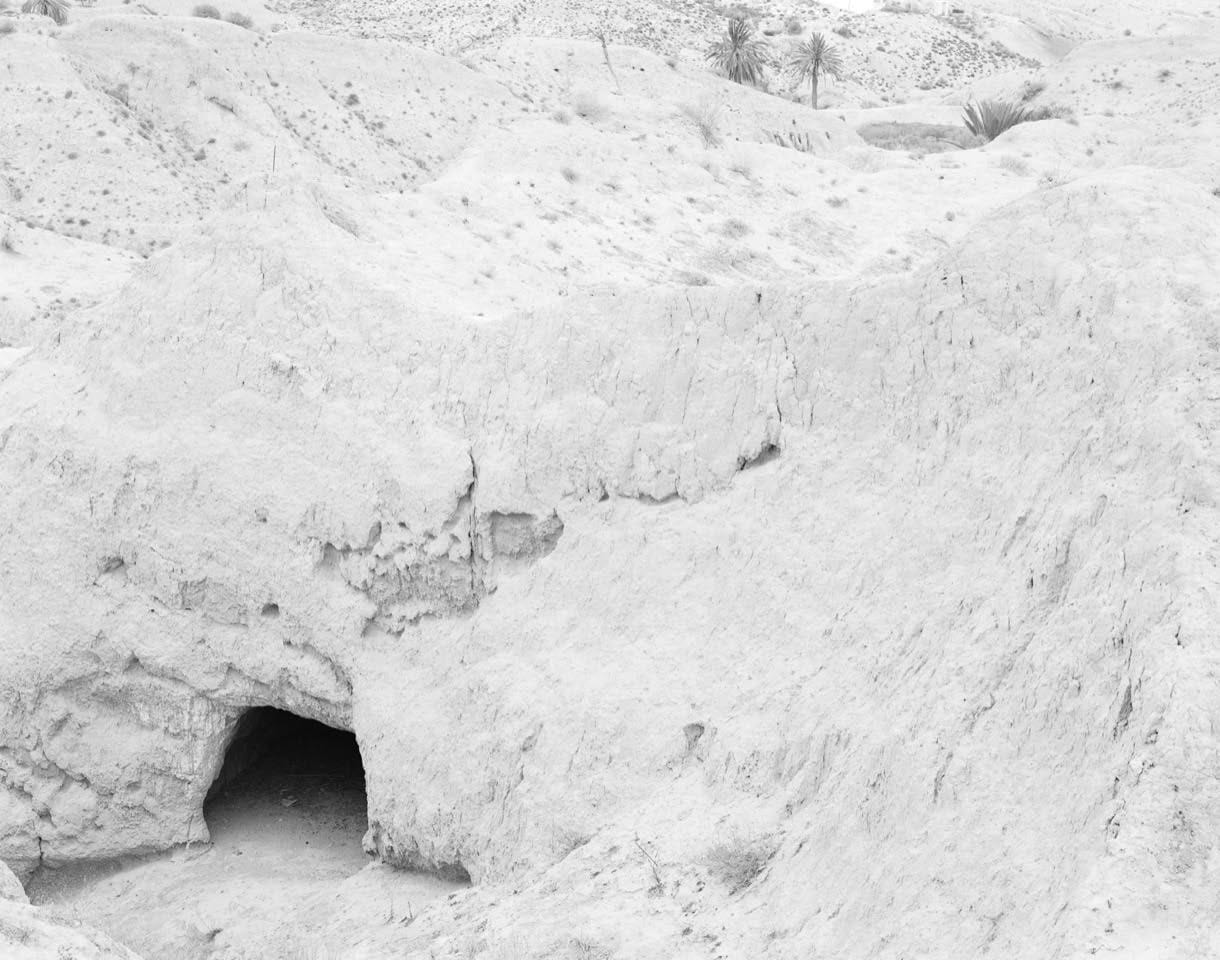
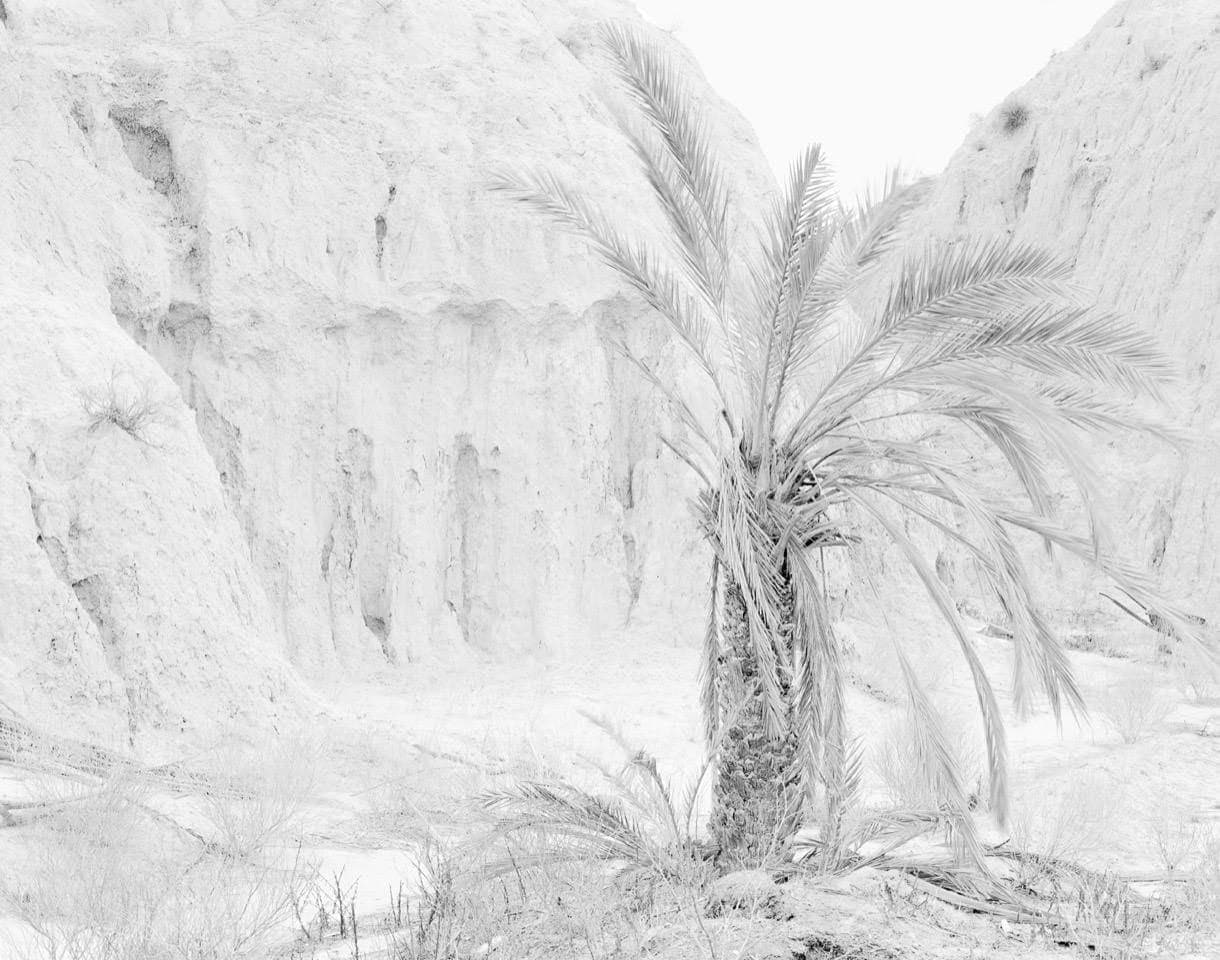
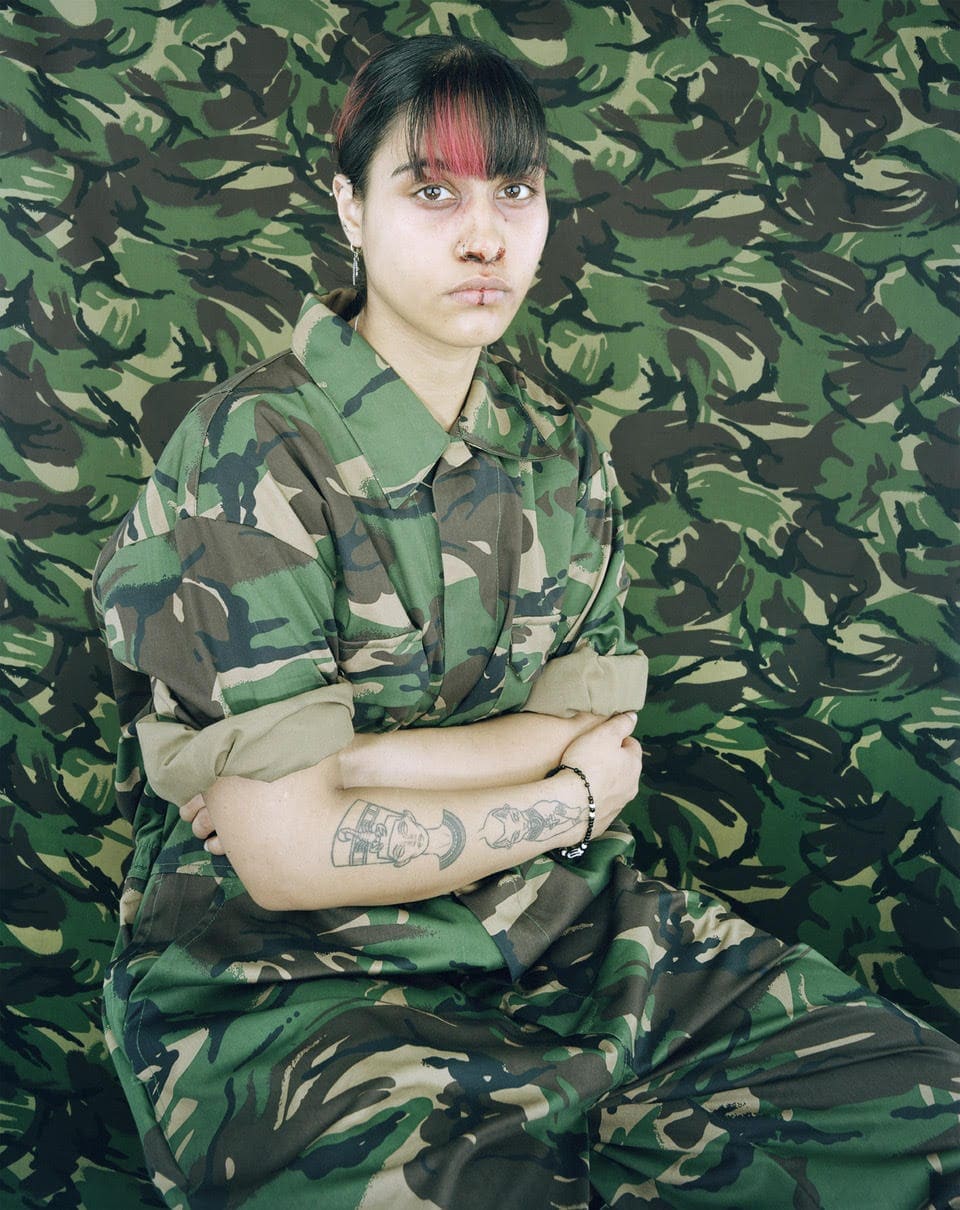
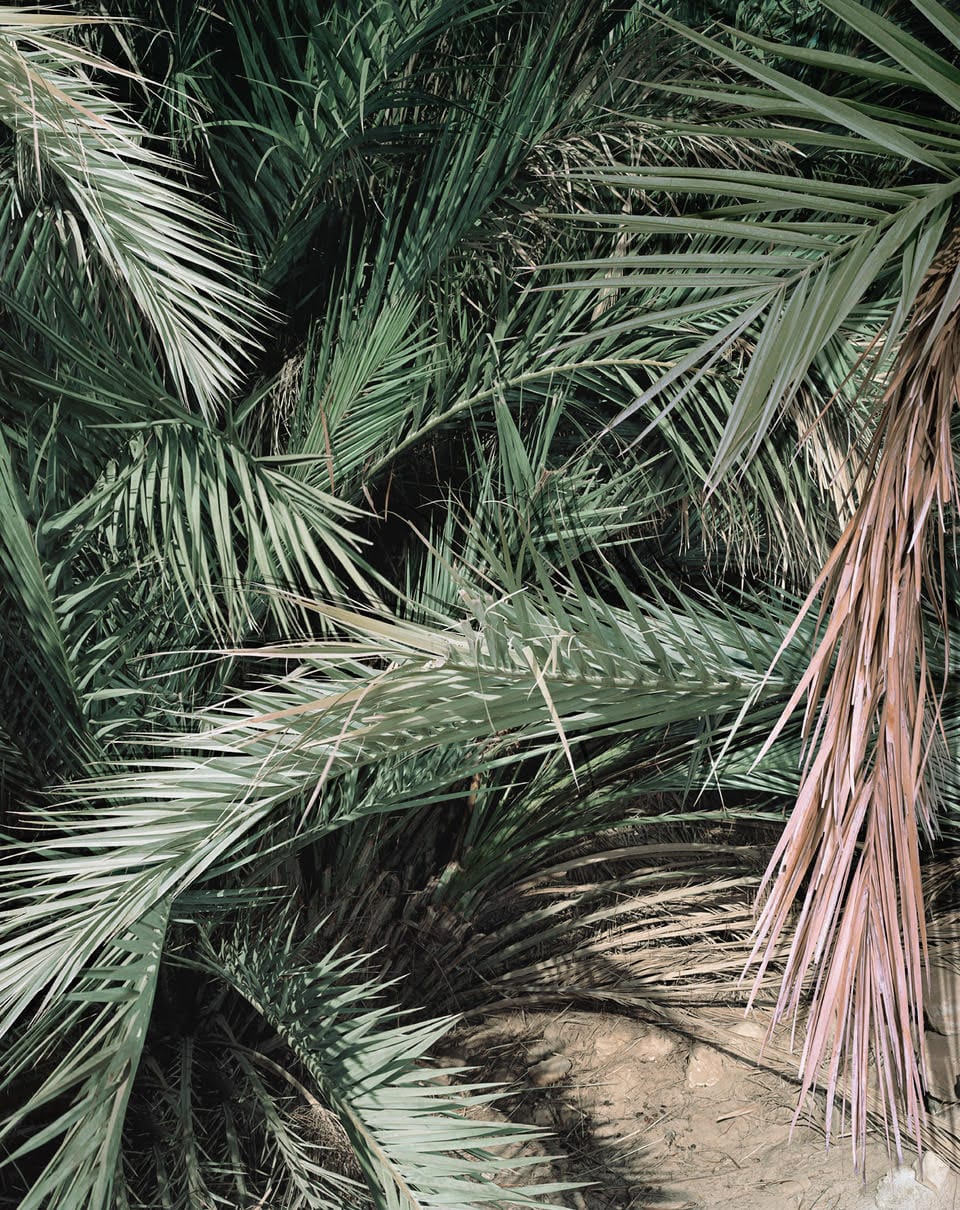
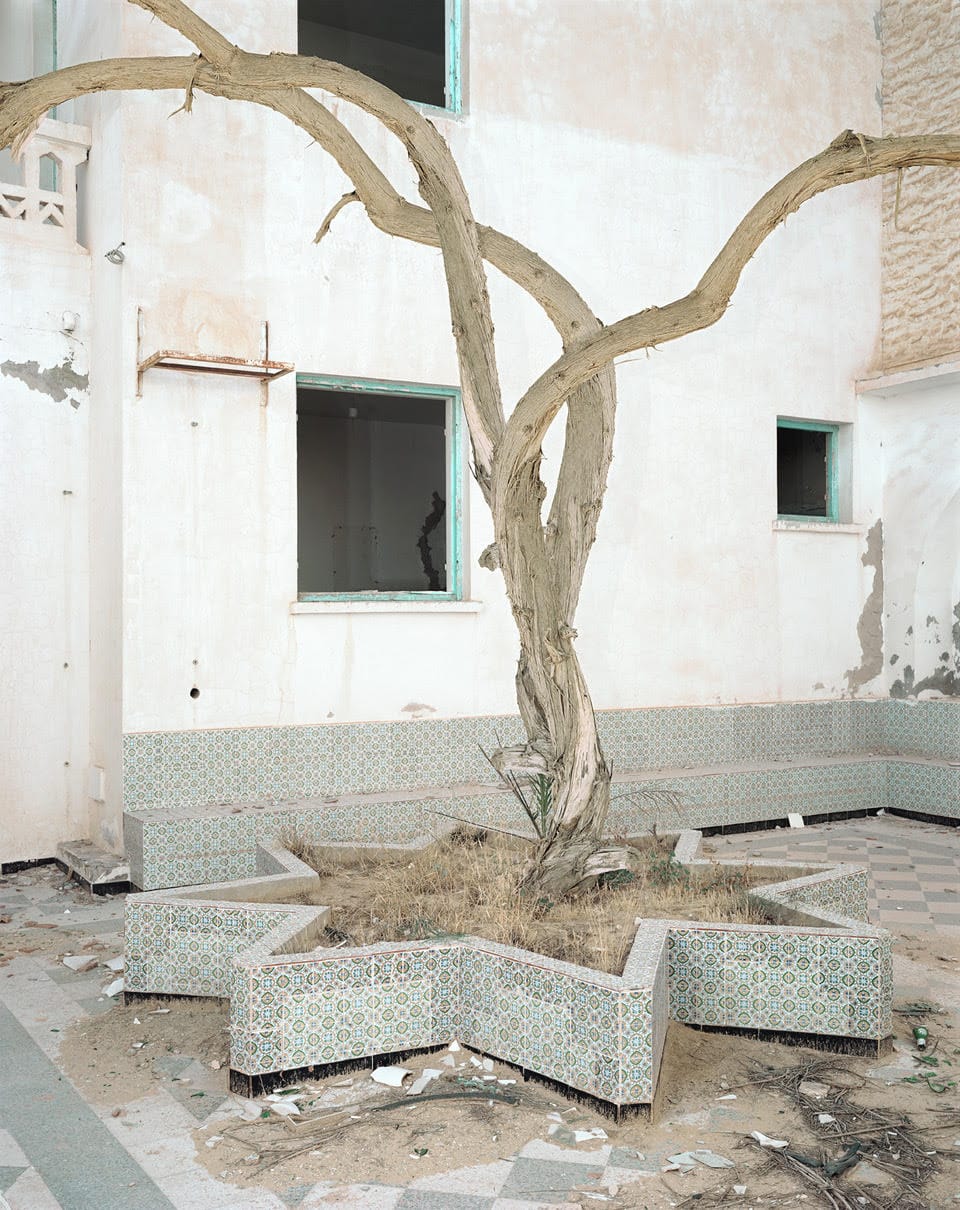
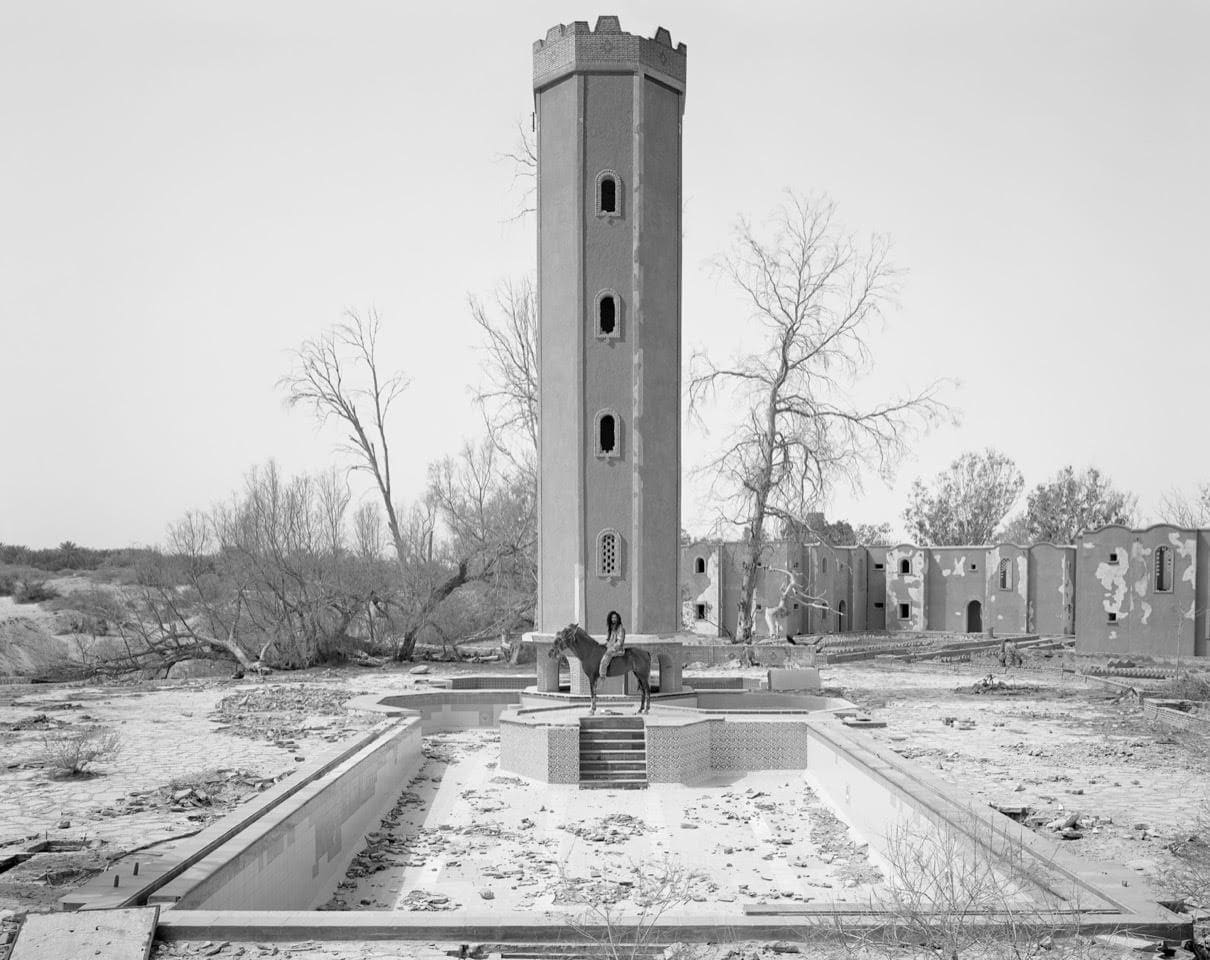
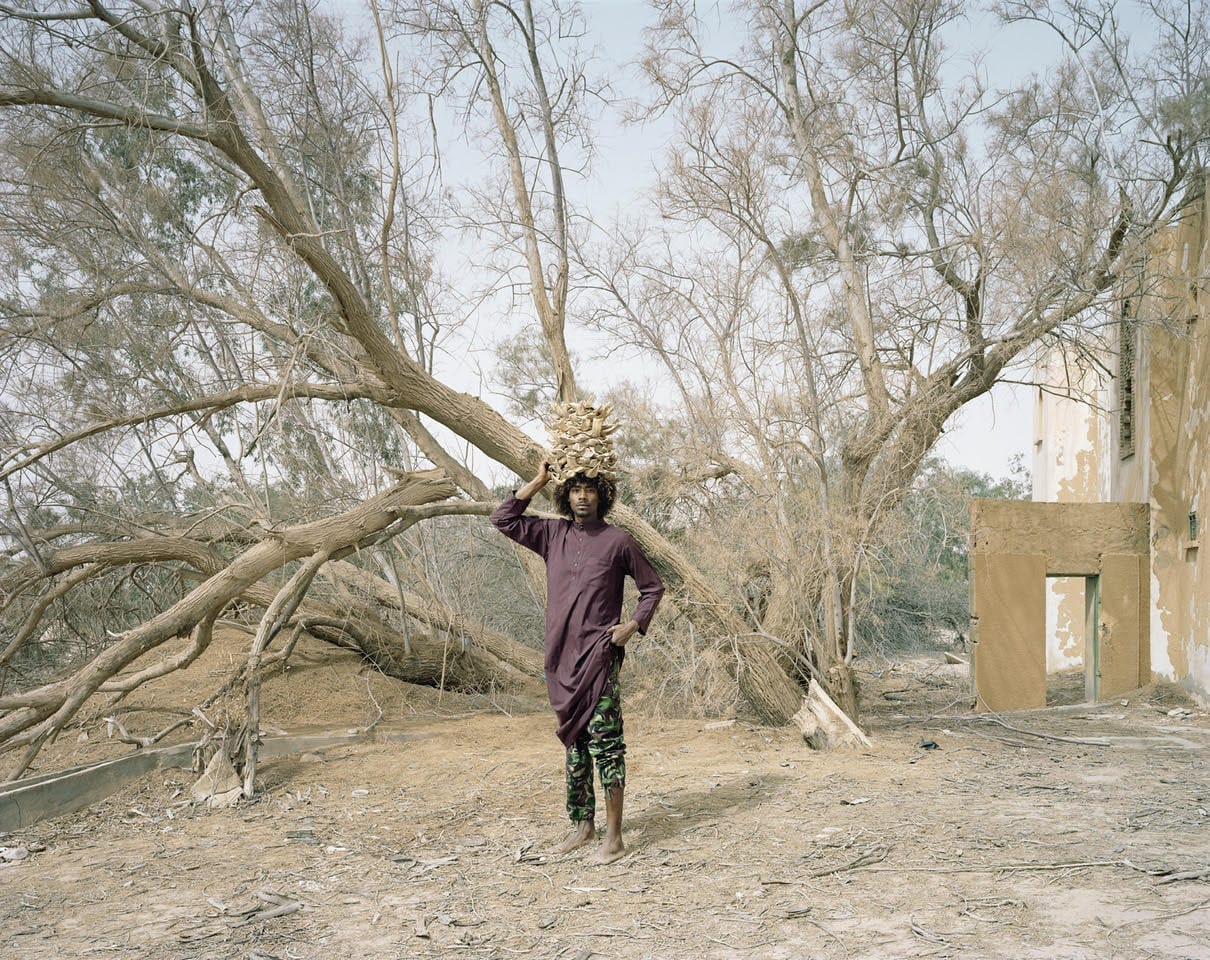
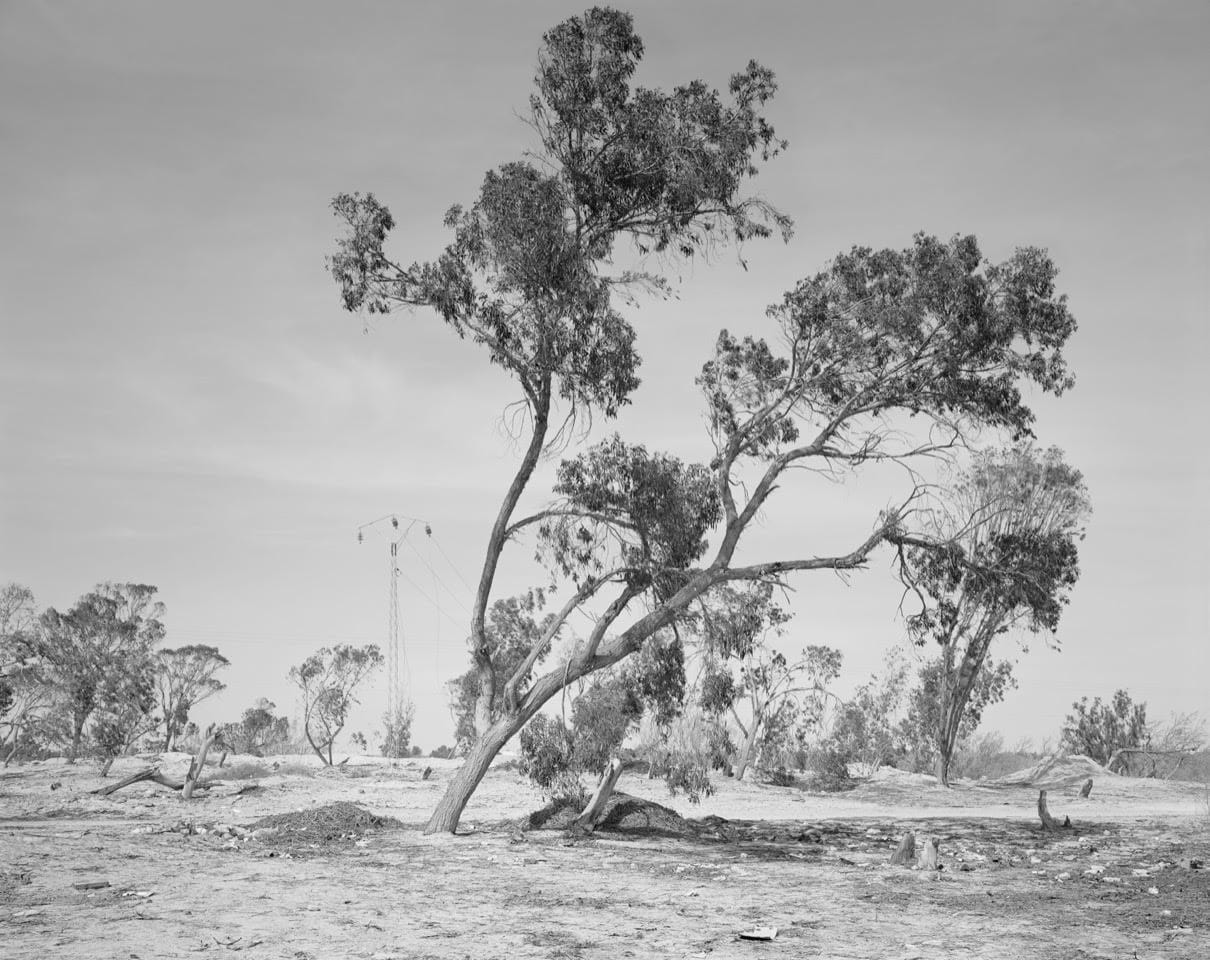

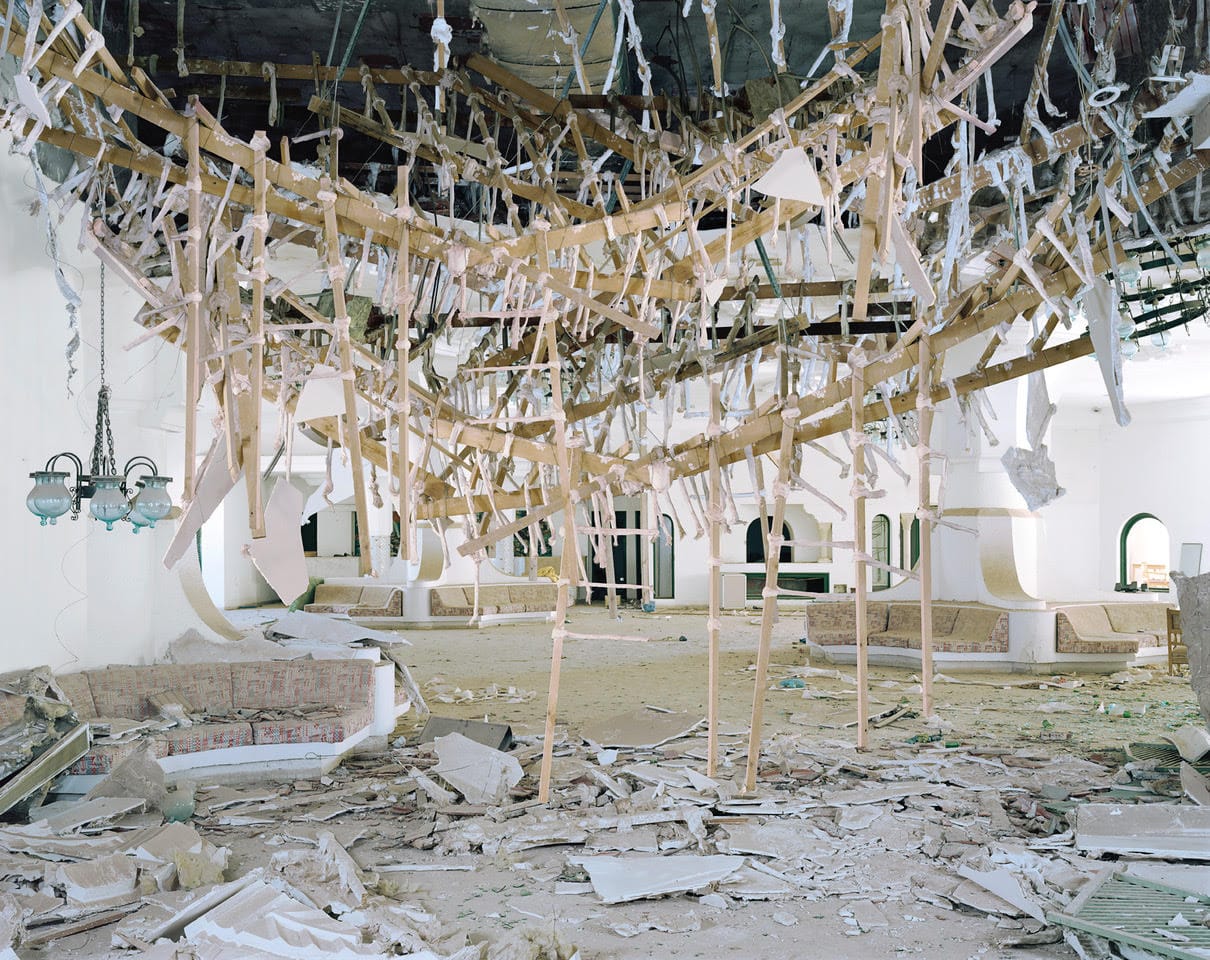
The following works are all included in the series of "Anton's hand is made of Guilt. No muscle or Bone. He has a Gung-ho finger and a Grief-stricken Thumb, 2023."
Militia hideout / Abandoned militant outpost outside Brega / Rebel / Rebel hideout / Abandoned government compound / Abandoned private compound with minaret in the background / Downtime in abandoned regime compound / This tree survived the Battle of Bin Jawad / Local demonstrating dodging enemy fire / Ransacked compound
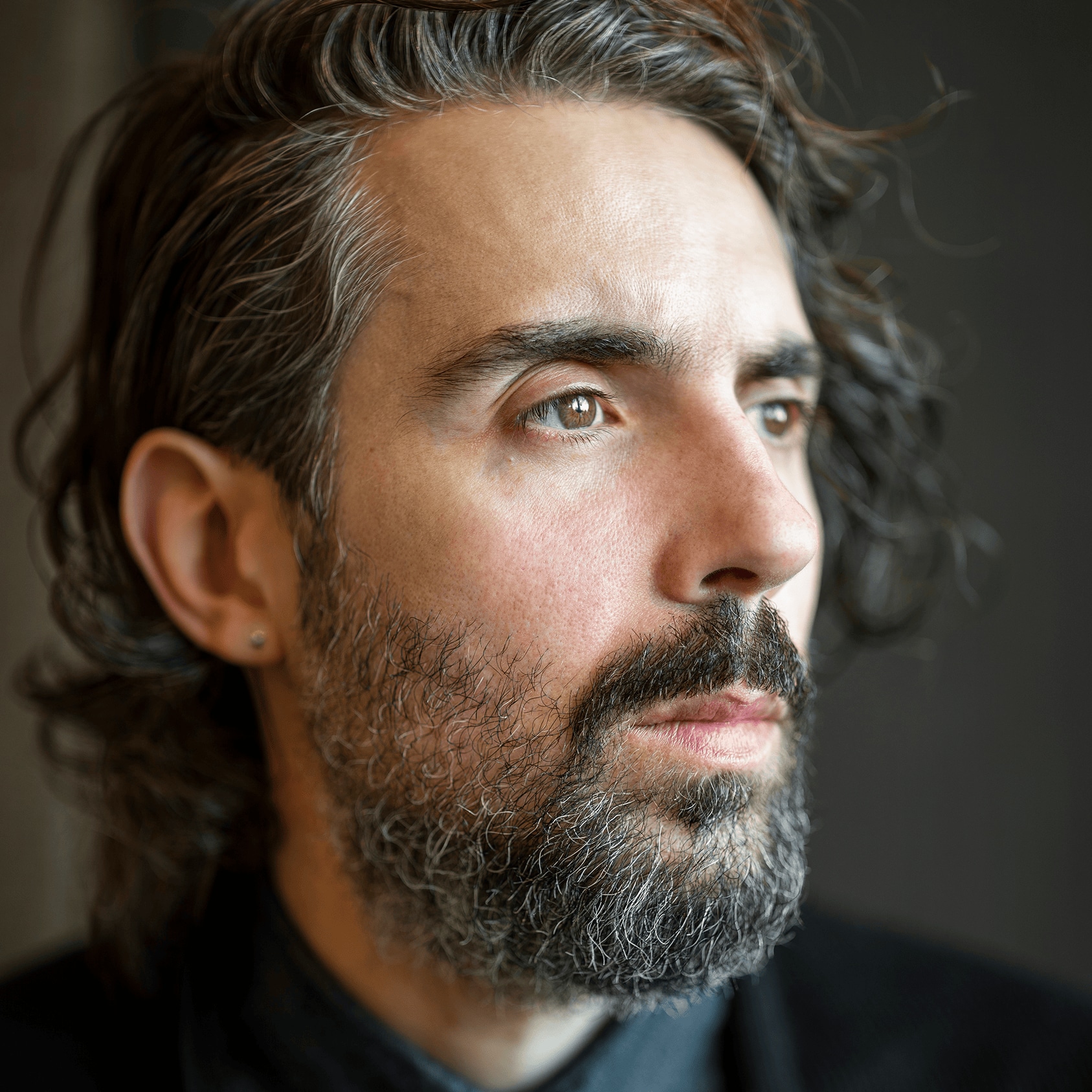


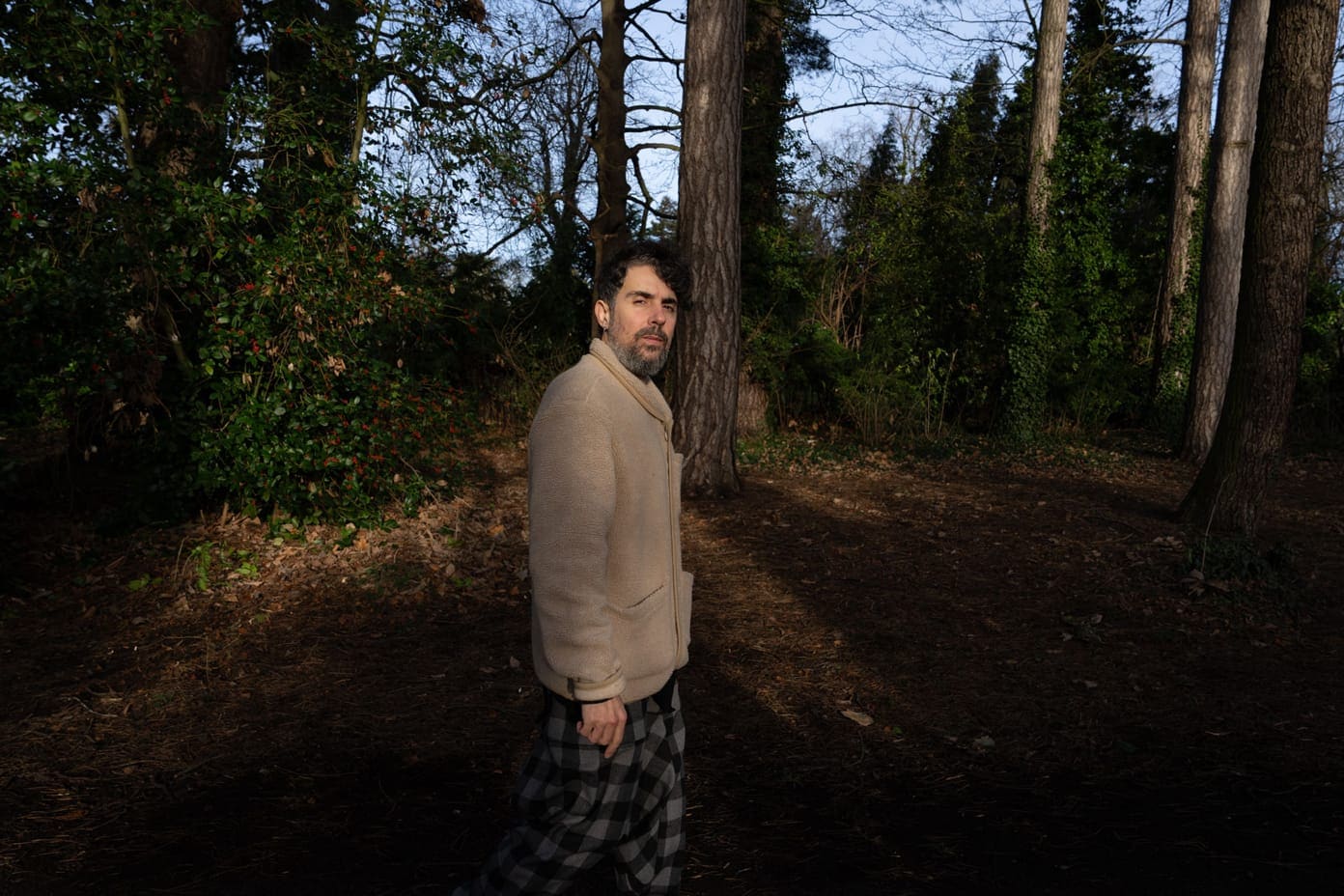
Edgar Martins is a Portuguese-born, Macau-raised photographer renowned for his philosophical work. He studied in London and has exhibited globally in prestigious institutions. Edgar has received numerous awards including his multiple wins at the Sony World Photography Awards and has published 15 critically acclaimed monographs.