
Creative Center - The Sony Design Hub Where the Future Is Made
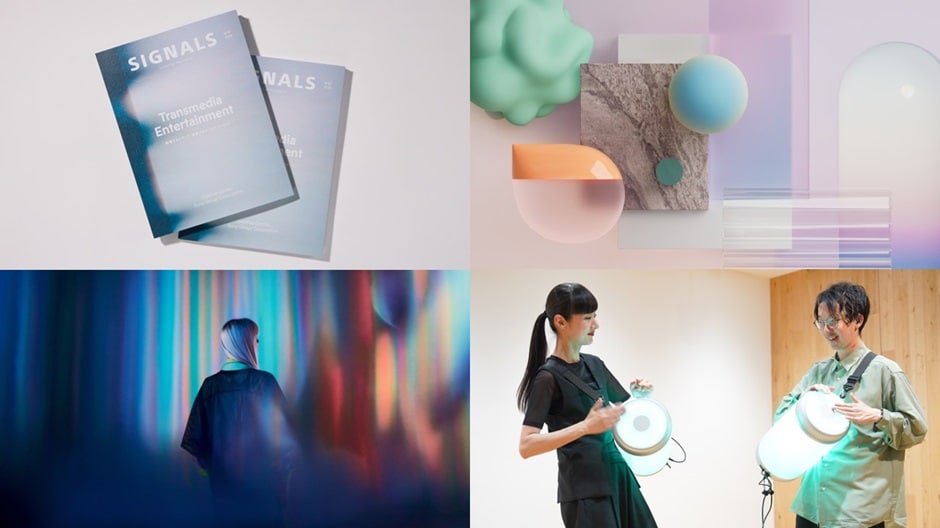
What comes to mind when you hear the word designer? Perhaps you imagine a job focused on visually refining various things in the world, like products or service UI/UX. However, Sony's design team, the Creative Center, goes beyond such activities. It engages in design research to explore the future and makes proposals based on insights gained from that research, planting the seeds for new products, services, and projects. This article covers the diverse initiatives the Creative Center undertakes by leveraging the unique perspectives of designers.
Contents
Creating new standards for the future
The Creative Center operates under the philosophy of creating new standards. This means using the power of design to "envision new paradigms, give meaning to ideas, and engage globally - a process that resonates with a diversity of values, bringing new standards into being." Based on this philosophy, Sony designers explore all possibilities of design to create new value.
In a world characterized by rapid change and increasing uncertainty due to social diversification and technological advancement, the Creative Center independently conducts ongoing design research projects under the banner of "CREATIVE RESEARCH" to dream up stories of the future.
Design research focused on human sensibilities
CREATIVE RESEARCH projects seek to determine the future course Sony should take, looking about three to five years ahead. Designers travel worldwide, immersing themselves in different cultures to observe the behaviors and thinking of the people living there. They also conduct extensive research, including interviews with experts. These experiences help deepen their own awareness and insights, leading to inspiration for their journey seeking hints about the future. This is not mere information gathering but a process engineered to allow them to sense future possibilities and connect those to design.
The insights born from the unique sensibilities of designers regarding how things might evolve in the future are shared annually as reports with Sony Group employees, sometimes leading to new products, services, and projects.
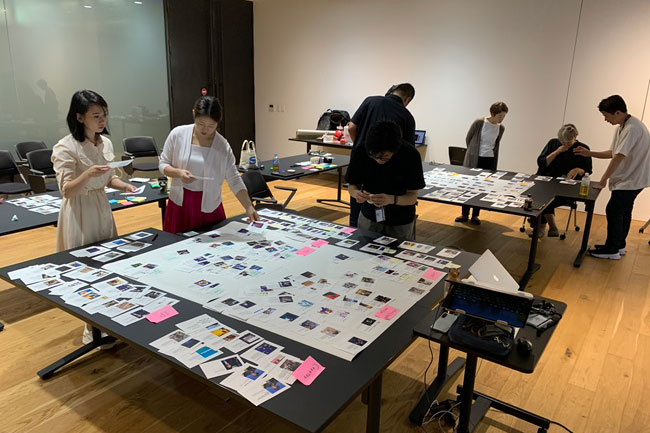

Designers engaged in research
Quantitative research, most often seen in marketing research, is great for understanding the current situation. Design research, on the other hand, is qualitative. It is an effort to seek a better future based on insights gained from interpreting emerging social conditions and trends in people's consciousness. Fumitaka Ozaki, who engages in design research, explains the significance of Sony designers conducting research by getting themselves out of the office and into the field:
"Because design research is qualitative in most cases, the researcher's perspective and interpretation are crucial. Sony designers possess a cross-disciplinary perspective informed by knowledge across diverse entertainment businesses and technologies. Furthermore, their fresh viewpoint as "outsiders" immersing themselves in local environments can be a strength. By viewing things from this kind of vantage point, they become more fluent in the kind of insights that will shape future entertainment experiences and lifestyles, even transcending existing frameworks and specific markets or industries."
The results of the CREATIVE RESEARCHprojects were previously shared only in internal reports, but in November 2024, they were published and released to the public for the first time in the book, SIGNALS Creative Research No.01.
CMF Framework for envisioning future trends
The Creative Center also publishes the CMF Framework, a tool that visually expresses future trends identified through design research. CMF stands for "color, material, and finish." By compiling keywords, visuals, color palettes, and sample materials that represent future trends about two to three years out, the CMF Framework essentially proposes the course for future Sony design. Explaining the background to this diversified tool, Shigeaki Suzuki, responsible for CMF Framework production, remarks, "The field of design is diversifying beyond products to include UI/UX, graphics, space, and the metaverse. We want the CMF Framework to serve as a reference across all these areas."

CMF Framework created in fiscal 2023
Depending on changes in social backgrounds and people's minds, the same colors, materials, and finishes can evoke different impressions. To pursue designs that deeply resonate with people's hearts, designers annually conduct field research, carefully observing cities and people worldwide, in addition to trend analysis. They decipher consumer psychology and constantly reflect the latest situation in the framework. "By grasping trends, we can perceive the movements in society, technology, and people. For example, since the COVID-19 pandemic, there has been growing interest in functional materials contributing to hygiene and wellness, and a rising tendency to seek mindfulness in virtual communication and the metaverse. I believe this is a major trend of change in recent years that has rapidly become established in people's lives," Suzuki says.
In 2024, exhibitions were held in Copenhagen and Tokyo, showcasing material samples for the eight CMF clusters derived from the CMF Framework, along with prototypes allowing visitors to experience the framework as an interactive design tool. Suzuki revealed that the future development of the CMF Framework will include digital tools, aiming to seamlessly connect the real and virtual worlds beyond traditional physical samples. He added, "The experiential prototypes exhibited in Copenhagen and Tokyo suggest one of our goals."


CMF exhibition at the "3daysofdesign" design festival in Copenhagen
Examples of new design work emerging from design research
Both CREATIVE RESEARCH and the CMF Framework represent forms of trend research with the aim of gaining a better understanding of macro trends in the world. The Creative Center also conducts research for Sony's R&D, which involves designing products and services looking several years ahead, and routine-work research to support the design of existing products.
These various design research projects do not just end with reports; they are utilized in proposals for new products, projects, and more. What follows are some of the examples where designer proposals, based on research insights, made significant contributions.
Sony's long-term Creative Entertainment Vision
Designers were involved in creating the long-term Creative Entertainment Vision, which outlines where Sony wants to be in 10 years. One catalyst for the project dates back to 2021 when Hiroki Totoki, President and CEO, observed an exhibition of Sci-Fi prototyping* conducted as part of CREATIVE RESEARCH and realized the designers' ability to envision the future.
*A method of utilizing the imaginative power of science fiction.
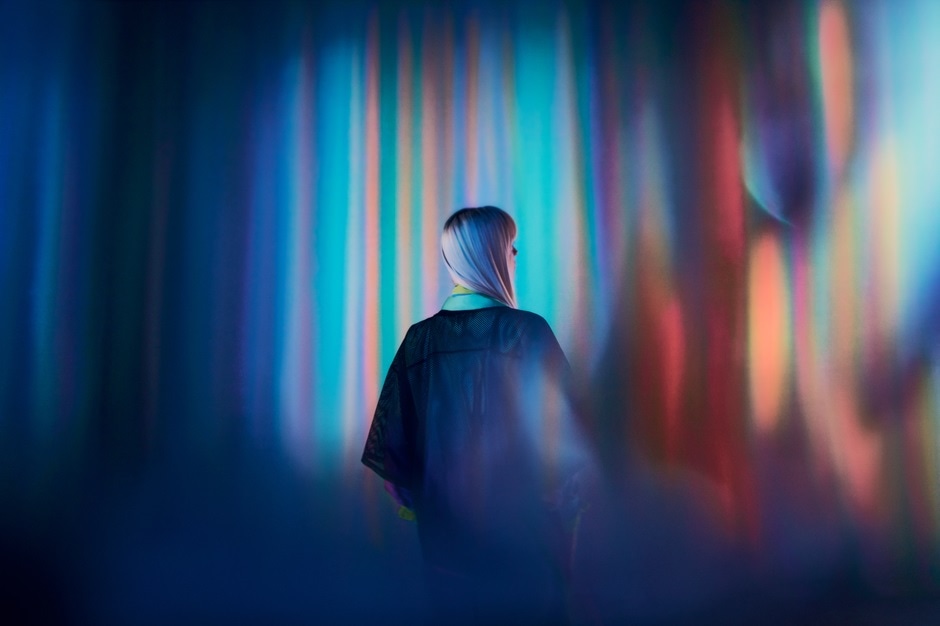
Key visual for Creative Entertainment Vision
Interactive art installation for children: The Enchanted Forest
In collaboration with the French NPO It Is Now and the international foundation Art Explora, "The Enchanted Forest" was created at King's College Hospital in London. It provides fun experiences and sensory stimulation for children with special educational needs and physical disabilities.


Users experience immersion in a magical world as they stand in front of the display.
Accessible instrument for everyone: Hug Drum
Working with Sony Music Entertainment (Japan), the Creative Center developed the Hug Drum, a percussion instrument everyone can play together, using an inclusive design approach, which involves inviting users such as people with disabilities and elderly people to take part in the design process to expand design possibilities.

The Hug Drum enables players to experience sound through light, color, and vibration as well.
mocopi®, a mobile motion capture system
The theme of "energetic resonance," previously featured in the CMF Framework, was put to effective use in the design of the mobile motion capture system "mocopi," which was launched in 2022, and in the design of its communication assets.

Inspired by CMF, the design of mocopi features vivid colors.
HT-AX7 portable theater system
A design prototype created by designers, guided by the concept of being compact, easy to set up, and blend-able into interior spaces, led to the development of the HT-AX7 portable theater system, which allows users to easily enjoy a spatial audio environment in their preferred style.

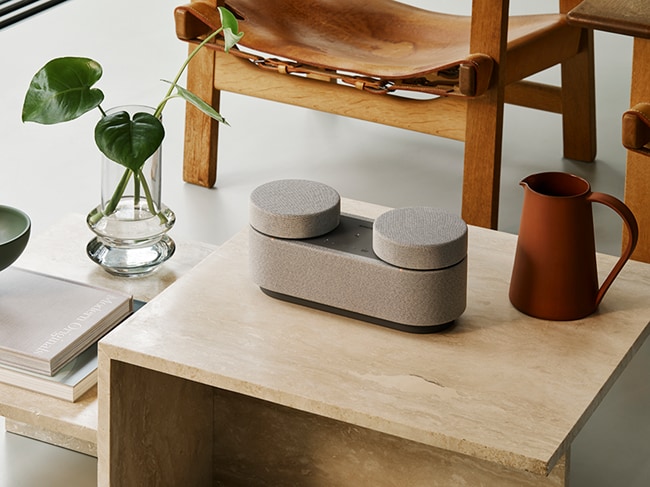
HT-AX7 achieves a design that blends into interior spaces.(credit: Dezeen and Beth Davis)
Creating new standards of value
Numerous products, services, and projects have been born from design research leveraging the unique sensibility of designers and the inspiration gained from it. Under Sony's spirit of doing what has never been done before, the Creative Center is expanding the scope of its activities, undertaking diverse design and branding initiatives. The Creative Center will continue to pursue designs that deeply resonate with people worldwide, and in so doing, constantly create new standards of value.