Crunchyroll Anime Awards 2024 /
Best Romance


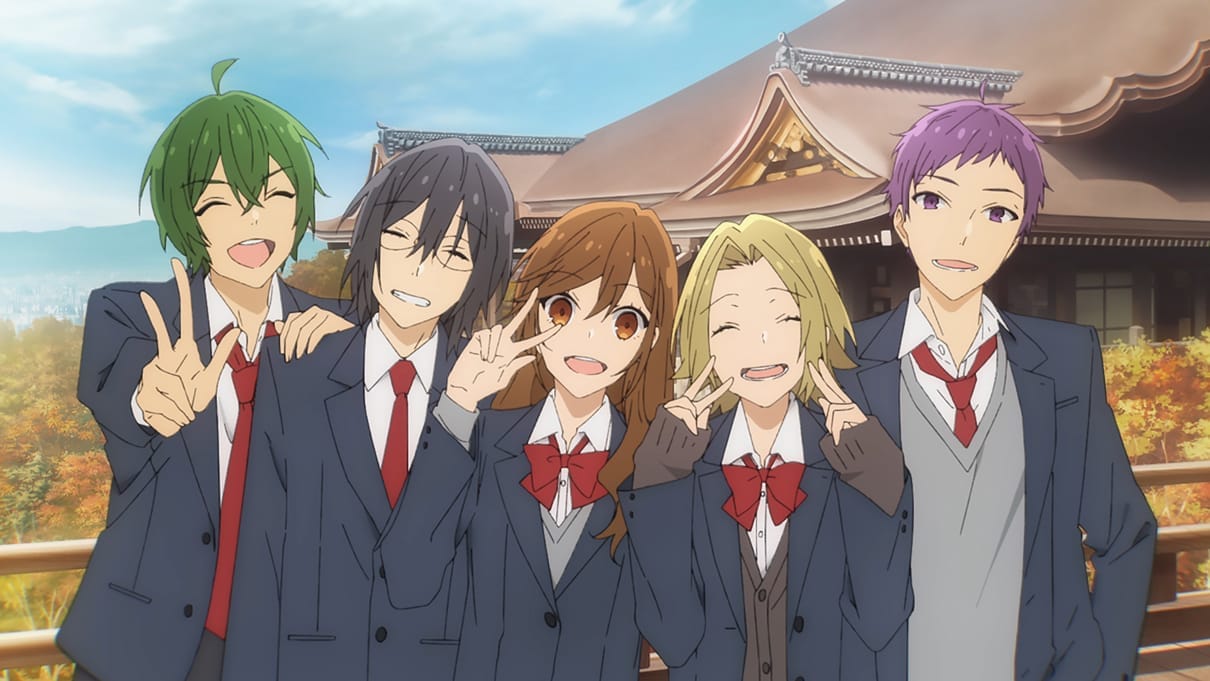
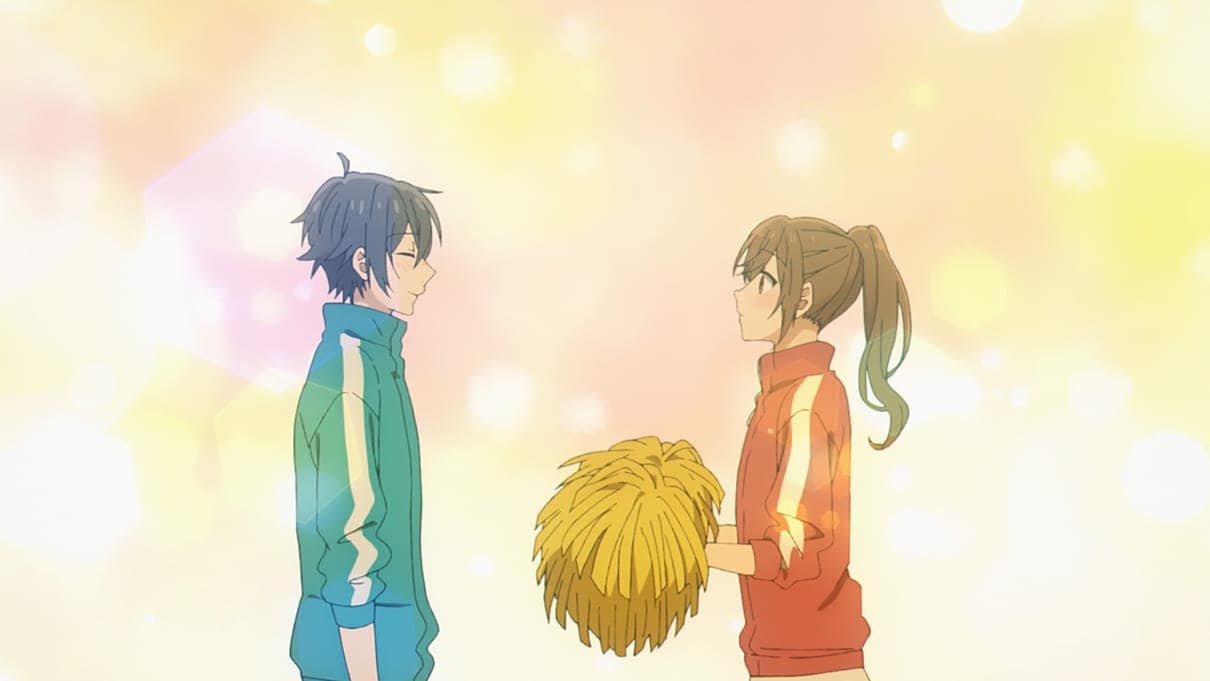
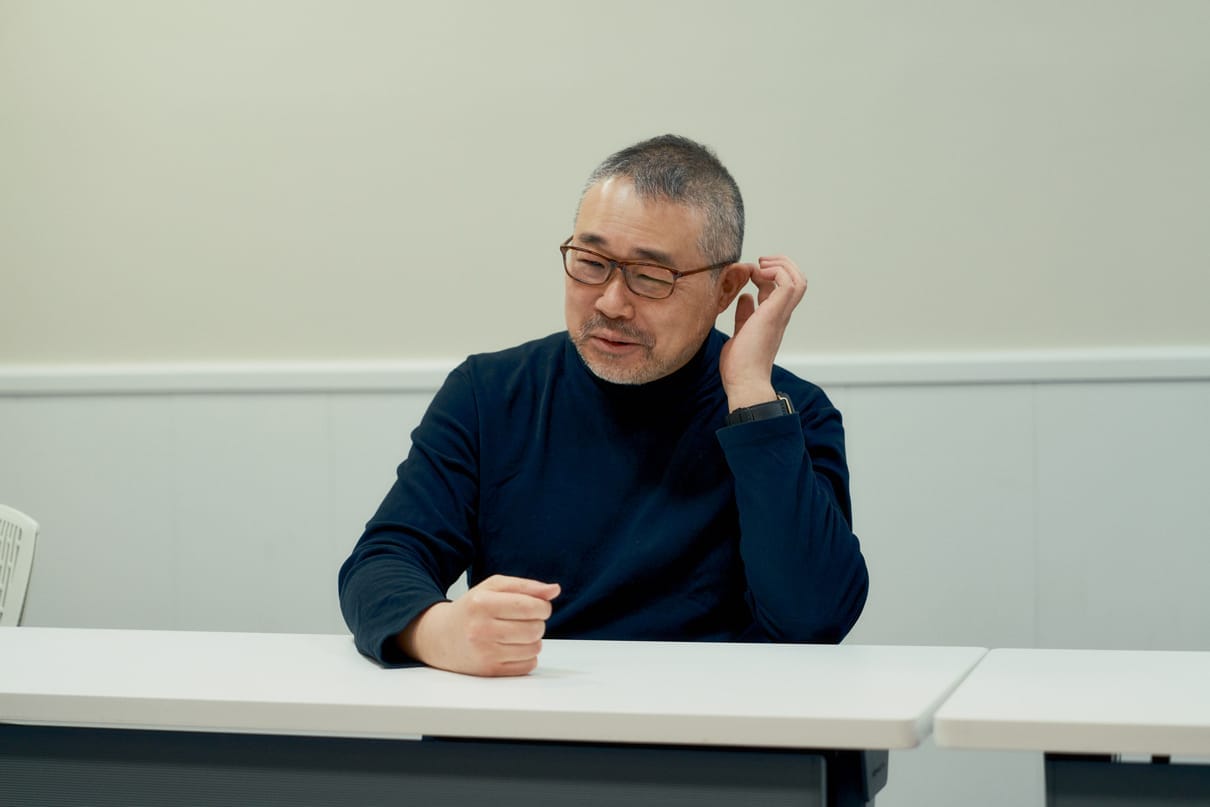
I'm truly honored. I went to the award ceremony with the representatives of the original manga, members from Aniplex — a diversified entertainment company of Sony group handling an extensive range of businesses primarily focusing on the planning and production of animation — and the production staffs, and I could just feel the hype of everyone thinking "We want to win this!". There was a strong sense of bond and unity among us all. I am very proud of the power "Horimiya" has, winning the Best Romance for the second time following the 2022 win with the previous series. I'm honored to have been entrusted with the visualization of this wonderful production. By winning the award, I now feel I have proof to say "I delivered", and that's an incredible feeling.
The previous "Horimiya" series was a complete piece of work in itself, where the team worked with the shared principle of telling the full story of "Horimiya" over the period of 13 episodes. So when we were approached with the idea of making a second set of series, the first thing we were concerned about was the fans' reactions. We knew the first question that would come to their minds was going to be "What are they going to make?". That was when our series composition and screenwriter Takao Yoshioka suggested "Maybe we shouldn't aim to tell a whole story in the new series. If we just focus on making each episode a great experience, I think the 'Horimiya' fans will approve. If we insert sequences in the first and final moments of the new series that suggested that this is connected to the previous title, I think we can make it work." His words really hit home, and took the load off my shoulders. So we turned our attention to the more finer details, like digging deeper into the background of the characters, or doing a whole episode themed on sports day; so we were basically just having fun portraying the smaller events in chronological order.
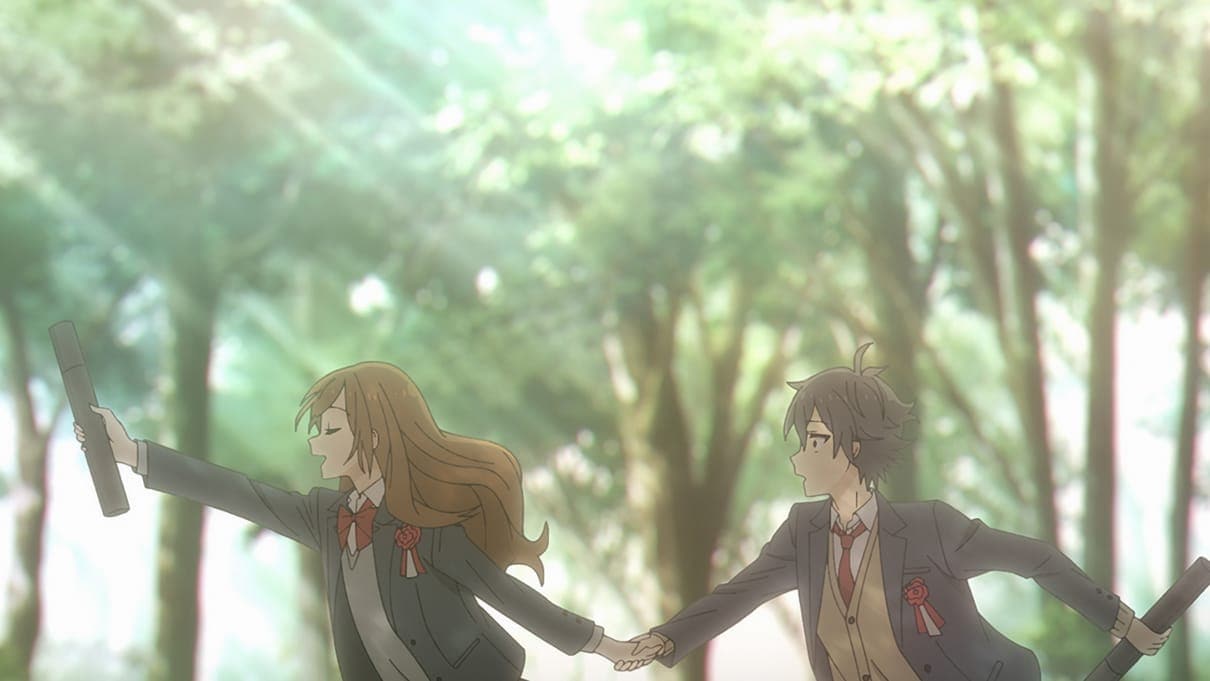
The original work of "Horimiya" is just superb. The way the frames are arranged, the position of the speech bubbles, the use of fonts – everything is so spot on that the reading experience is almost like watching a film. The manga was so in sync with what you would imagine it would look like in action, so we mostly just went with recreating what was written on the manga pages. I would also like to add that although this work is based on the manga "Horimiya", the adaptation written by Daisuke Hagiwara, I wanted to make myself familiar with the original story written by HERO. I felt that if I didn't know HERO's original story well enough, the finished product would come across as unconvincing and somewhat shallow, so I made sure I understood the core essence of the story.
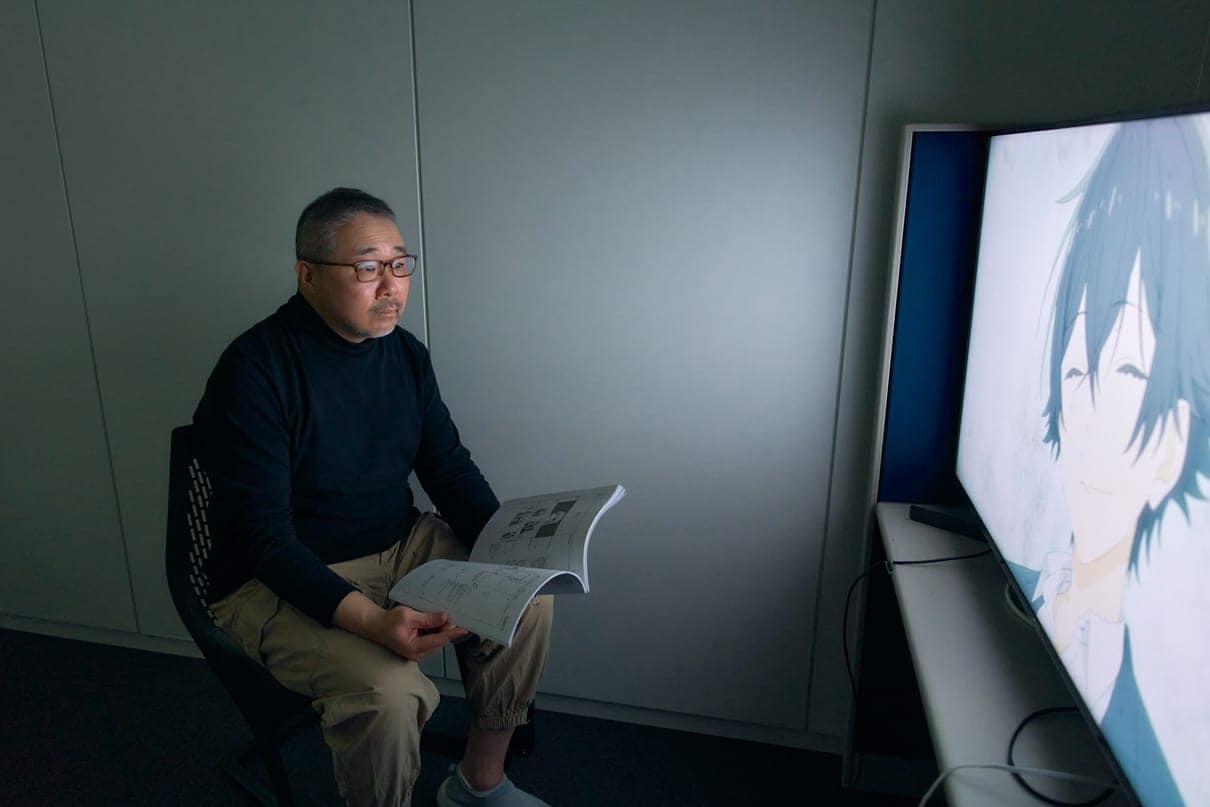
The actors for "Horimiya" were purely genius, and 99% of the production was almost complete at prep stage. Aniplex had put together a really great team including the sound team so there was really no need for much direction. Obviously, there was a few calls for initial directions here and there in terms of character building, but that went very smoothly as well.
The team behind "Horimiya" was amazing, and they made my job a total breeze. Everyone we were working with were so talented including Haruko Iizuka, who worked on character design; the art department did a wonderful job, as did all the other members on the team. Their work was so precise and on point by the time they showed it to me. It made such perfect sense to me that there was hardly anything that needed altering. Let me put it this way: the job was done before we even spoke about it because we just knew we shared the same vision. We were all on the same page without having to confirm, and that was a truly remarkable experience.

Until quite recently, the commercial significance of anime was measured by the number of DVDs sold. Gradually, this trend changed to the number of views achieved on video streaming service platforms. I think the biggest change in the market came when streaming platforms began to play a significant role as sponsors for creators who were posting their contents on video streaming services. That being said, I feel we all still appreciate having anime broadcasted on TV, as there is only a limited number of streaming services that are anime-exclusive.
With the rapid emergence of global streaming services such as Crunchyroll, our works are now reaching audiences far and wide on a global scale. It is a completely new world we are living in now, and we no longer feel that we are just addressing the domestic audience in Japan. It really motivates everyone who are working in production to aim higher knowing that we have the whole world's attention on us, including the fans in North America and Europe. If anytime in the future we're offered to work on productions directed for audiences outside of Japan, we'd be more than happy to take on the challenge.
I love working on anime openings, creating 90-second images that are set to music. Looking back, I always had love for western music videos. I started to watch them when I was in 3rd year junior high school, and looking back now it's quite unthinkable how I could watch them for hours on end, at every chance I had.
I remember when a-ha, a Norwegian band became a huge sensation in the UK. Their song "Take On Me" was accompanied with an animated music video. I also loved their music video from another single titled "The Sun Always Shines on T.V." which was released later. I took some time to analyze why I was so fascinated by these videos, and I realized that it led right to what I do as my job today. I noticed that the approach I used when making my own opening sequences, for example how I arranged the cuts, was so similar to these music videos that I had to stop to wonder if all along I had been impacted by them without acknowledging. I realized that this idea, my would-be culmination of my career had already been invented and used back in 1986 – 1987. I felt devastated, but at the same time I took it as an opportunity to revisit the many works directed by Steve Barron. There was a whole array of film productions that resonated with my soul. I noticed that the visual approach Steve used to express the rhythm in the music or the accentuated tone in the vocals was very similar to that of mine, and it was then that I understood why I loved his works so much.
In terms of films that influenced me, there is something else I must talk about and that is "King of the Children" by Chen Kaige. Back when I was just starting out in this business, I got home in the middle of the night, turned on the TV and saw that the "King of the Children" was being aired. It drew me right in, and I hungrily watched it till the end, forgetting that my bag was still hanging off my shoulder. Right after I finished watching it, I ran to the video rental store to rent out the same film and watched the entire thing over again. It didn't hit me at first but once you start deliberately watching works directed by the same director, you start noticing certain habits and patterns about them. I started to notice some things with Kaige too, like how he conducted the creative process or how he liked to insert long pauses.
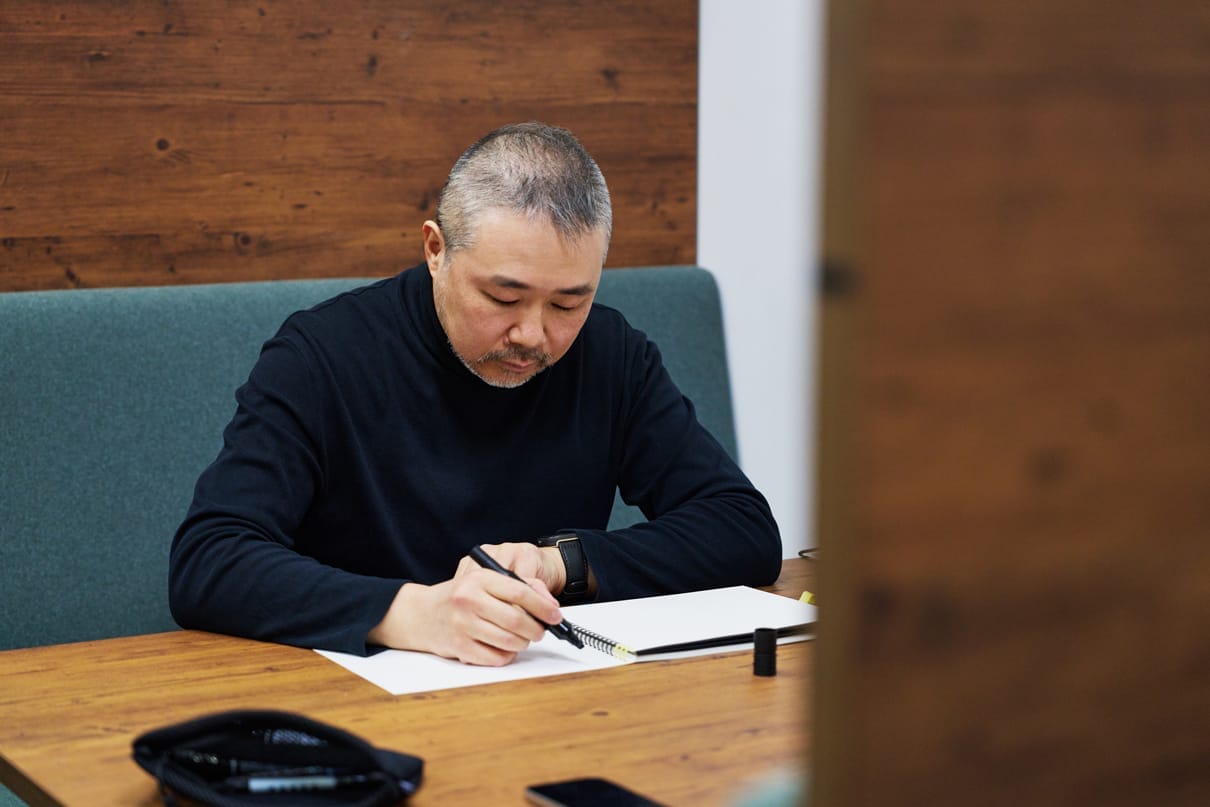
Last but not least, I have to talk about the director Akio Jissoji. As a child, I grew up watching "Ultraman" and "Ultraseven". I remember vaguely noticing that there were some very strange episodes. Fast forward to adult life and I re-watched a film called "A Watcher in the Attic" directed by Akio Jissoji. From that day forth, I was literally hooked on this film. I couldn't stop watching it every single day for almost 2 months. It was seething with something that had accumulated inside of me growing up watching "Ultraman" and "Ultra Seven". I guess you could call it a feeling of pleasure of a sort. It felt so good, and I wanted to immerse myself in that world of delightfulness so I just kept going back to watch it over and over again. I think I was just under a lot of pressure at the time; busy work, or something along those lines.
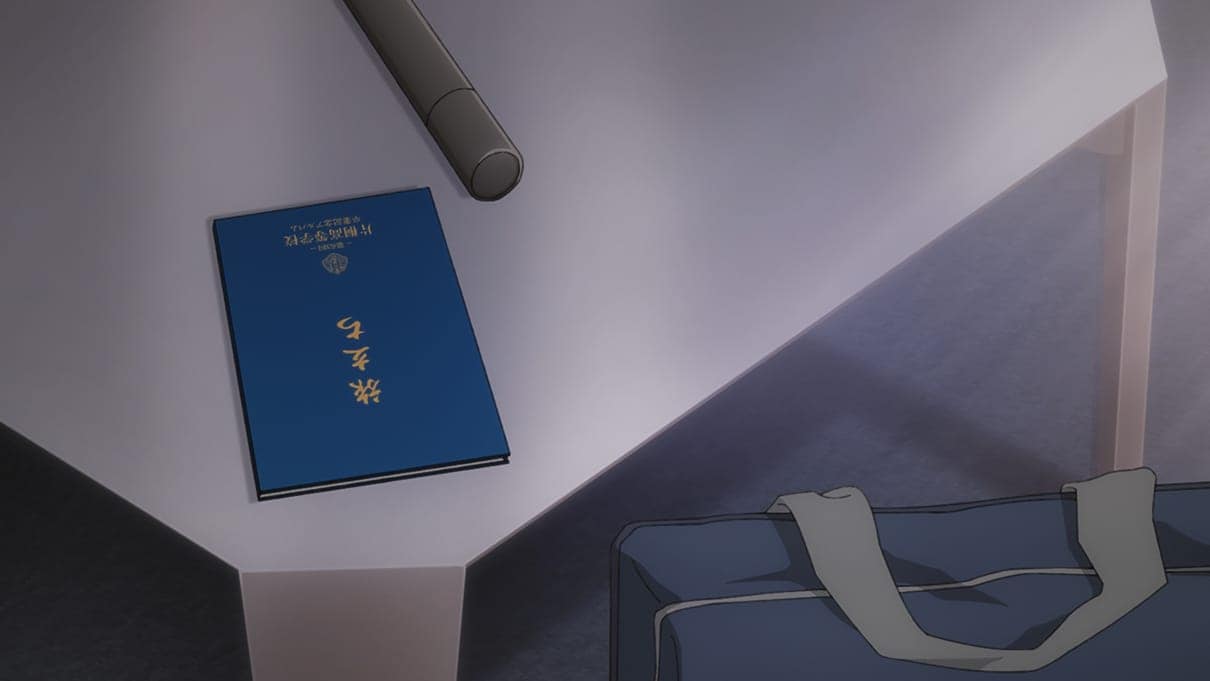
"Don't expect to become a somebody from day one". These aren't actually my own words, but it's a great quote I recently came across on X. When I was still young, I had this painful feeling that I was not a competent enough animator. This feeling frustrated me, and I was so eager to become a 'proper' animator at the earliest possible chance - but looking back now, I am glad I didn't rush myself.
Let me give you an example. If you start off your career in the direction department, I understand that your wish is to one day become a great director. But there comes a moment when you realize that you're not going to become a successful director overnight. I believe that your true opportunity lies in that moment of epiphany, because then you have more freedom to experiment and play around, try things out, let things go. I think the biggest reason behind the frustration is because you are limiting yourself and anticipating to become a somebody too soon. I'm sorry I couldn't come up with something original, but I think it's a piece of advice that I very much needed someone to give to me, too.
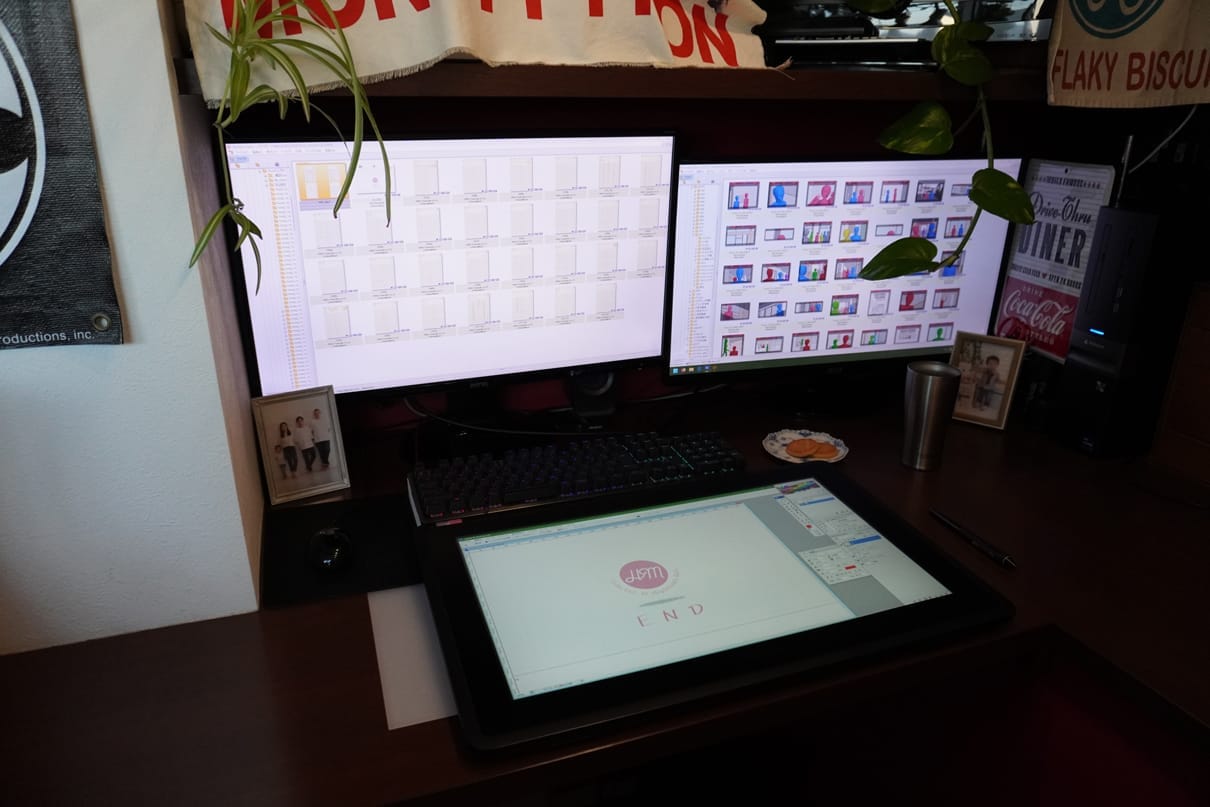
I think what kept me going was this thirst for pleasure that could only be quenched through filmmaking. Recently I came across this great word that truly captures this feeling of pleasure and that is "EMOI(エモい)", a relatively new Japanese slang stemming from the English word "emotional" to express a feeling of longing. This feeling of EMOI is the only element I look for in my works. Even if I picked out the best scenes to create an opening sequence which I believe is like the eye-catcher of the anime, if it doesn't feel EMOI to me, then it's a failure. Only when I first learnt of this word did I realize that this was the true deciding factor for all my creations. For me, the feeling of pleasure is also EMOI and that is why I think it's so satisfying. I'm sure everyone has their own quirk for pleasure, and mine just happens to be "EMOI".
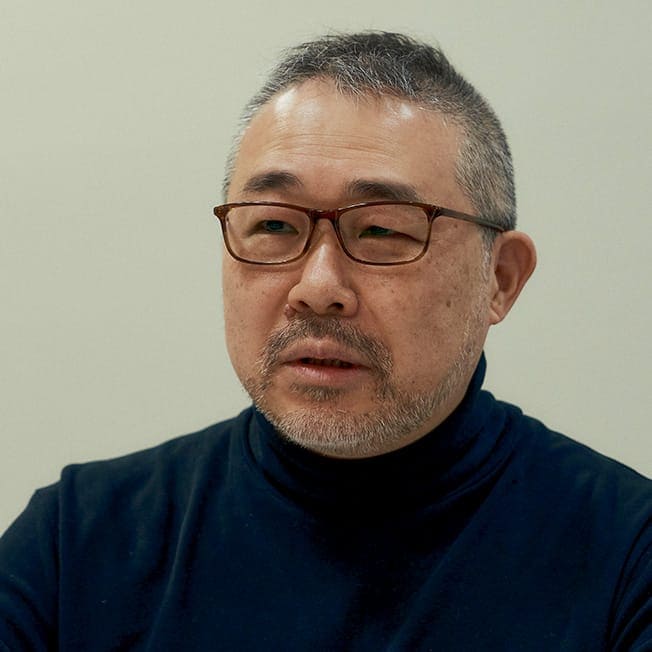
Born in 1968, Masashi Ishihama is an animation film director. He started his career as an animator and worked on animation drawing and then went on to direct his first anime film "From the New World" in 2012. He also specializes in directing anime openings, and has attracted many anime fans with his epic opening films such as "Attack on Titan" and "BLEACH".