Mar 5, 2026
New Paradigms for Creators and Fans:
Magdalena Wasowska on the Promise of Blockchain
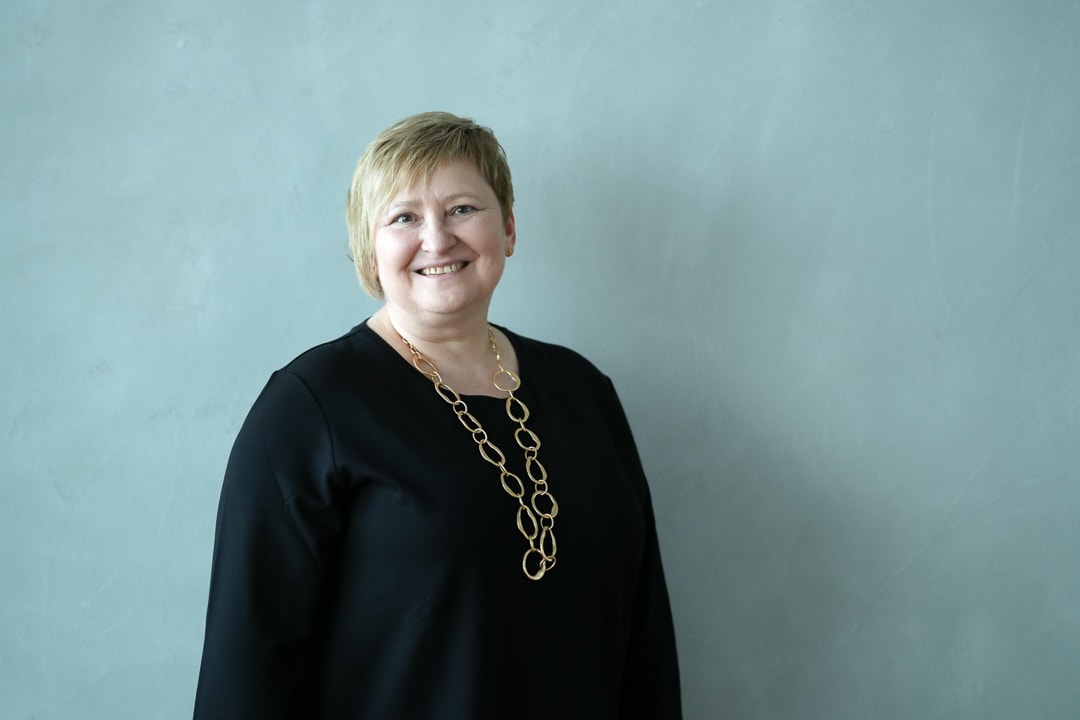
From blockchain to cybersecurity to location-based entertainment, as one of Sony’s Distinguished Engineers, Magdalena Wasowska is driven by the singular motivation to empower and protect creativity through emerging technology.
In addition to leading technical projects, Magdalena also plays a strategic role as Business Developer for Soneium, Sony’s blockchain initiative, and serves as Senior Advisor for Cybersecurity and Web3 Technologies at Sony Innovation Fund. Her work bridges deep technical research with the business and creative ecosystems that define Sony’s next-generation vision.
We sat down with Magdalena to discuss her current projects and her continued commitment to making technology more human, inclusive, and creatively empowering.
-

Magdalena Wasowska
Distinguished Engineer
Sony Group Corporation
──What technologies are your team most focused on right now?
I currently lead three main research groups: one in Brussels focused on cybersecurity and blockchain, one in Sweden centered on location-based entertainment, and another in New York that collaborates on R&D initiatives with Sony Music Entertainment.
In Brussels, our team has long focused on both the offensive and defensive sides of cybersecurity, ensuring that Sony’s products and services are not only secure but resilient and adaptive. Security evolves every day, and our mission is to anticipate change rather than react to it.
Blockchain is another pillar of our work. As Business Developer for Soneium, I’m helping shape the business and ecosystem strategy for Sony’s blockchain initiative. From the start, we believed blockchain could rebuild trust in digital systems by offering transparency, traceability, and accountability. It provides a verifiable way to track the origins of data and creative works — a digital audit trail that restores confidence in authorship and ownership.
But blockchain must evolve beyond being a buzzword or a visible layer. Just like cloud computing, it should operate quietly behind the scenes, powering systems to make them feel simple and intuitive to use. That’s the philosophy behind Soneium — an infrastructure designed to make blockchain invisible yet indispensable.

──Once the technology becomes more approachable to average users, where do you see potential applications for creation?
Sony’s Creative Entertainment Vision and the Creation Shift are all about empowering creators and fan communities. I believe deeply in democratizing creation — not everyone is a professional artist, but almost everyone wants to express themselves and belong to something meaningful.
We’re witnessing a cultural return to community-driven creation. Fans don’t just consume content anymore; they co-create it. Fandoms around artists or franchises are becoming creative ecosystems in themselves — producing art, remixes, and stories that expand the original value of the content.
This is where blockchain comes in. It can give power back to users and fans by providing transparent frameworks for participation, recognition, and ownership. Through blockchain-based platforms, fans could collectively fund projects, propose ideas, and even share in their success — all while artists retain creative control.
By making blockchain tools approachable, we’re enabling a new kind of creative economy — one where technology supports community and belonging, rather than complexity.
──How does blockchain support the idea of turning fans into creators?
Blockchain opens up possibilities for what I call IP-Fi — turning entertainment intellectual property (IP) into both a financial (Fi) and creative asset. Through IP-Fi, fans can participate in the lifecycle of content IP: from creation and curation to governance and even monetization.
For example, imagine a fanfiction or remix that’s recognized as part of an artist’s broader creative universe. Using blockchain, that derivative work can be properly attributed, licensed, and potentially rewarded. Artists could establish decentralized governance structures that allow fans to collaborate responsibly — creating co-owned worlds rather than isolated works.
This model not only builds stronger communities but also redefines value and trust in creative relationships. Fans become stakeholders, artists gain deeper engagement, and Sony has the potential to help foster a new generation of participatory entertainment.
Ultimately, it’s about empowering creativity — giving people the tools to express themselves while ensuring fairness, transparency, and opportunity for all participants.
──In addition to empowering and bringing together fandoms, how else can blockchain support and protect creative endeavors?
Beyond creation and fandom, blockchain plays a key role in protecting audio visual and graphic IP. Fingerprinting would enable identification of IP components and any modifications to original works without authorization.
Blockchains around audio visual content can help how royalties are managed and distributed whilst allowing creative talent to co-create at scale in an increasingly digital and remix-driven landscape. Blockchain gives creators and companies a way to build trust and traceability into the creative supply chain.
At the same time, we’re also exploring how IP tokenization could create new opportunities for funding and collaboration — bridging creative industries with finance, and making it easier for emerging artists to access the resources they need.
──Can you tell us a bit about your work in experiential technologies?
Our Swedish team focuses on location-based entertainment, bringing together technologies from Sony Group Corporation and external partners to design new kinds of physical-digital experiences.
They work closely with Sony Music, Sony Pictures, and Crunchyroll to create immersive installations — for example, interactive environments that respond to movement and touch with visuals, sound, and haptic feedback. These experiences blend storytelling, art, and technology, showing how innovation can extend beyond screens to engage the senses.
It’s another expression of the same principle: technology should feel human. Whether it’s blockchain or physical spaces, the goal is to create seamless, emotionally resonant interactions.
──You helped originate the Sony Women in Technology Award with Nature, which continues to highlight brilliant researchers around the world. How has your perspective on diversity and inclusion evolved since then, and why does it remain such an important focus for you?
The Sony Women in Technology Award with Nature is very personal to me because I originated the idea together with Sony’s then CTO Hiroaki Kitano. I’m incredibly proud that the program continues to grow — supporting and celebrating brilliant women researchers around the world.
Although I’m no longer directly involved, my passion for diversity, equity, and inclusion continues to shape everything I do. Diversity isn’t just a value; it’s a driver of innovation. Diverse teams question assumptions, see patterns others miss, and build technologies that serve a broader spectrum of humanity.
I believe in creating spaces where everyone can bring their full selves — because innovation happens when different perspectives meet with curiosity and respect. The ongoing success of the award reminds me how vital it is to keep diversity at the heart of R&D, not as a program, but as a mindset.