India Hero Project 2023 /
Creator of "Meteora": Among the Top 5 Titles Selected Games


"Meteora" is a project that's really close to our hearts because, honestly, we're all a bit of a space nerd. The concept just came together so beautifully. Our co-founder Nairith Roy had this brilliant idea of letting players experience the game as a meteor, which is something we hadn't seen or done before. It felt fresh, exciting, and opened up so many creative possibilities for us. We got to experiment with things that haven't really been explored in games before, and that's been a lot of fun. I'm really excited about it and can't wait for people to try it out.
It was an amazing opportunity that really came to us unexpectedly. Sony reached out and told us about the IHP, and when we learned more, it was just too good to pass up. We knew we had to apply. The whole experience has been incredible, and we couldn't be happier that "Meteora" resonated with so many people. To see it touch hearts and connect with others on such a deep level - it's truly an honor that it was chosen to be a part of IHP.
The application process is straightforward and simple, which is great because you're not wasting a lot of time. But even as you're going through it, there's a lot to learn. You're asked to describe your game, your team, and your vision, and then you also must put together a budget. Even though we've been developing as indie creators for quite a while, we came across things we hadn't really thought about before.
Applying for the IHP was a learning experience. We realized there were things we needed to consider - why they're important and how they impact the later stages of development, like localization, testing, or even getting the game ready for consoles. For example, we learned about the TRC, which are the technical requirements checks that a game must pass to go on consoles. We learned all of this during the application process, and by the end of it, it was just about clicking the submit button and sending it off.
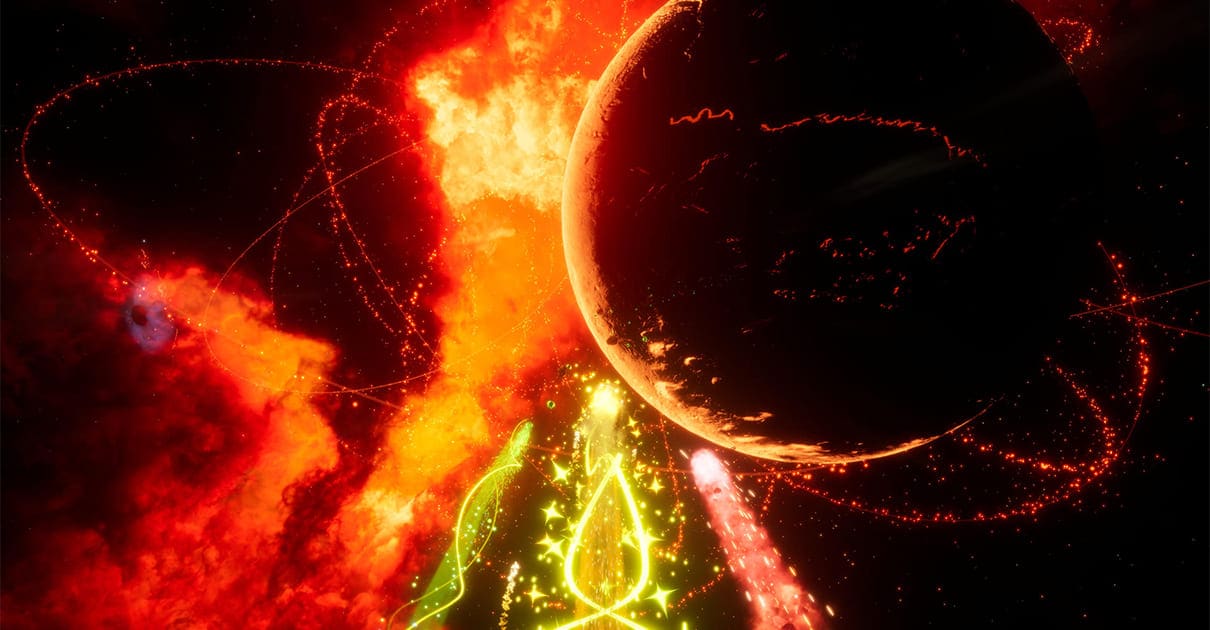
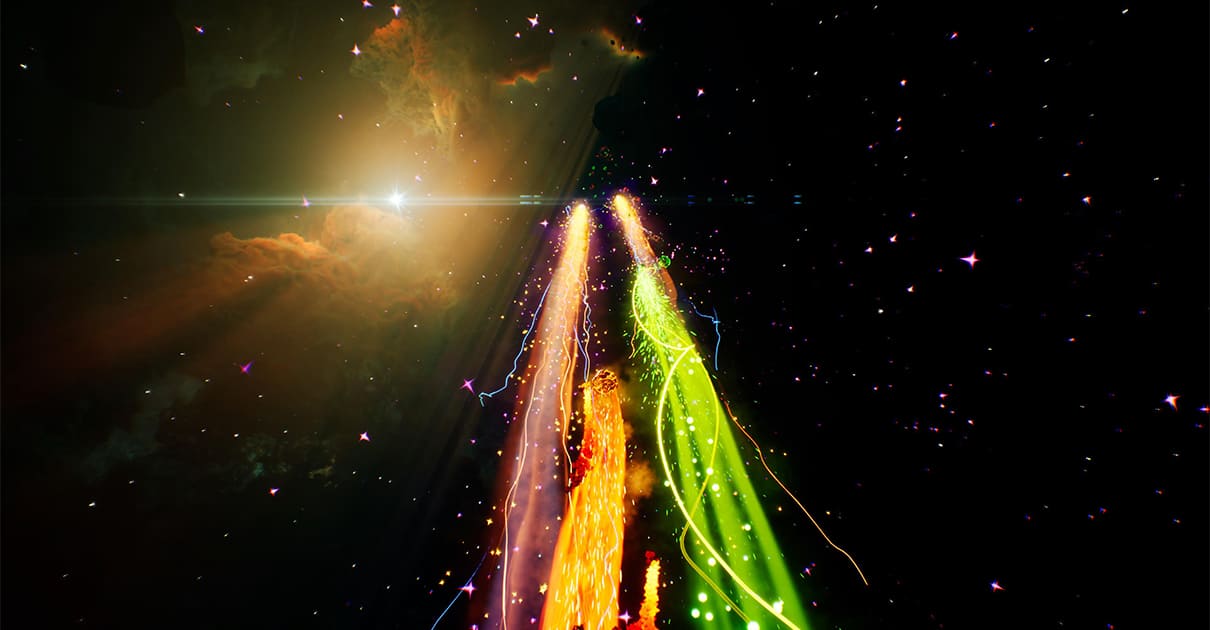
There were so many amazing aspects, but I'd say the most significant one was how "Meteora" evolved. Initially, we were developing the game for PC, focusing solely on a 2D flat-screen experience. But the moment we joined IHP, the first thing we were asked was, ‘Why isn't the game in VR? Why not explore other platforms?' It completely shifted our perspective. Suddenly, we weren't just thinking about consoles or a flat-screen experience - we now had VR to experiment with.
Before, we were unknowingly limiting ourselves, assuming "Meteora" might not be suited for VR. But after joining IHP, we felt this freedom, almost like a license to just play and explore new possibilities. And as we did, we realized "Meteora" was a perfect fit for VR - it was sitting there, waiting for us to discover it.
As we explored further, we realized that we wanted to offer players even more diverse experiences. We already have VR and 2D versions, but now we're venturing into something entirely new – though I am not spilling the beans just yet. Thanks to IHP, we're seeing "Meteora" as a potential experience on a larger scale, in ways we hadn't considered before. This opportunity has truly opened new doors for us, allowing us to think outside the box. It's been an exciting journey, and we can't wait to see where it leads.
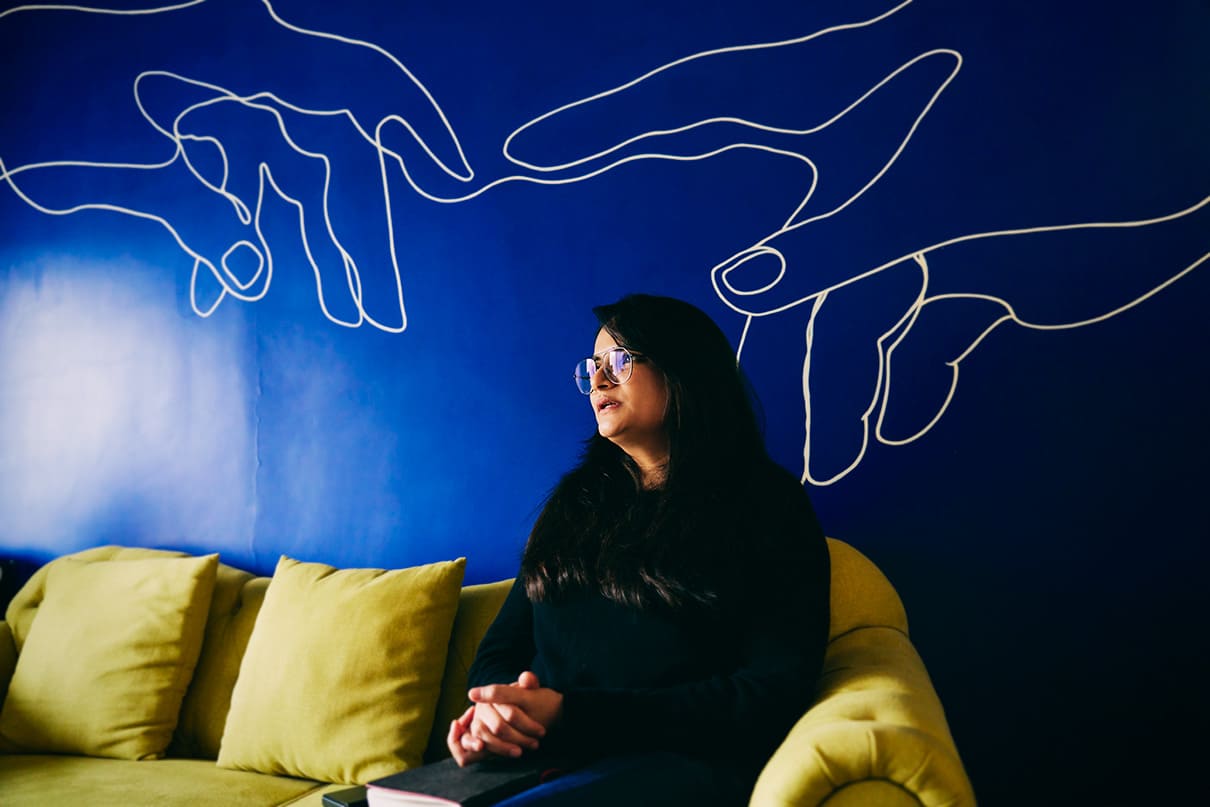
IHP is more like an incubation setup - it's not just about getting a platform to create and release your game. There's so much to learn, and you're given access to so many resources and people who are brought in to support you. It gives you a glimpse into how triple-A studios and large companies operate, and it really prepares you for something bigger.
Initially, we thought we were just going to develop a small game, put it out there, and make it the best we could. But now, our thinking has expanded. We're exploring more, thinking bigger, and broadening our thought process in ways we hadn't before. And that shift in mindset is thanks to projects like IHP.
There are so many developers who know how to do their job - how to develop games - but may not be familiar with everything else that goes into the process. Projects like IHP, help prepare us for all those aspects we've been overlooking. It strengthens not only our development practices but also makes us better, more well-rounded developers. That's what projects like this bring to the table. it's been a transformative experience.
I think we're in an exciting place right now. If you think back to a decade ago, there wasn't nearly as much interest in game development in India. But over the last five years, we've seen a huge surge in tech talent, especially with the tools we use to develop our games. The positivity and momentum surrounding game development in India are undeniable, and it feels like things are only going to grow from here.
Plus, as I was saying, something that wasn't possible a decade ago - going to someone and asking for funding for a game - was often met with hesitation. While some were willing to take risks, most were reluctant because they didn't fully understand the industry. But now, even those who were once hesitant are showing interest. There are far more funding options available, and people are more willing to take those risks. It feels like the industry is growing rapidly, moving upward in every sense.
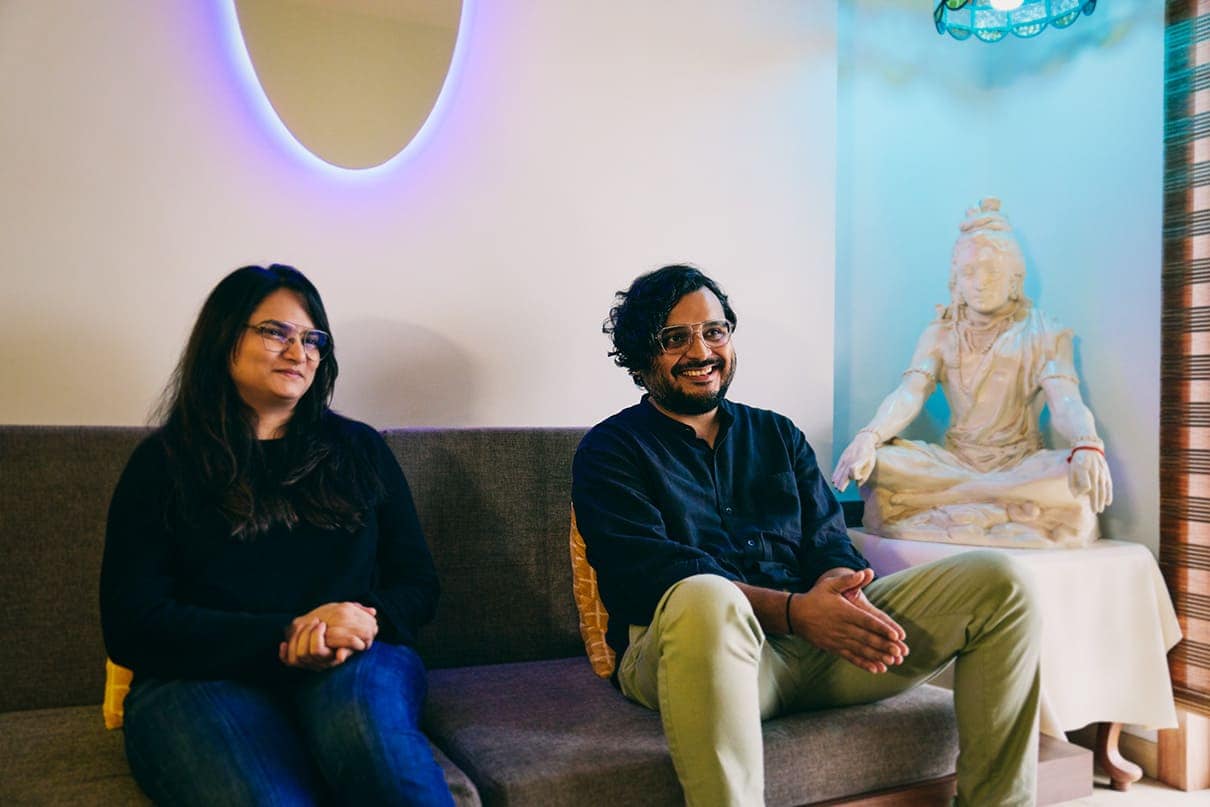
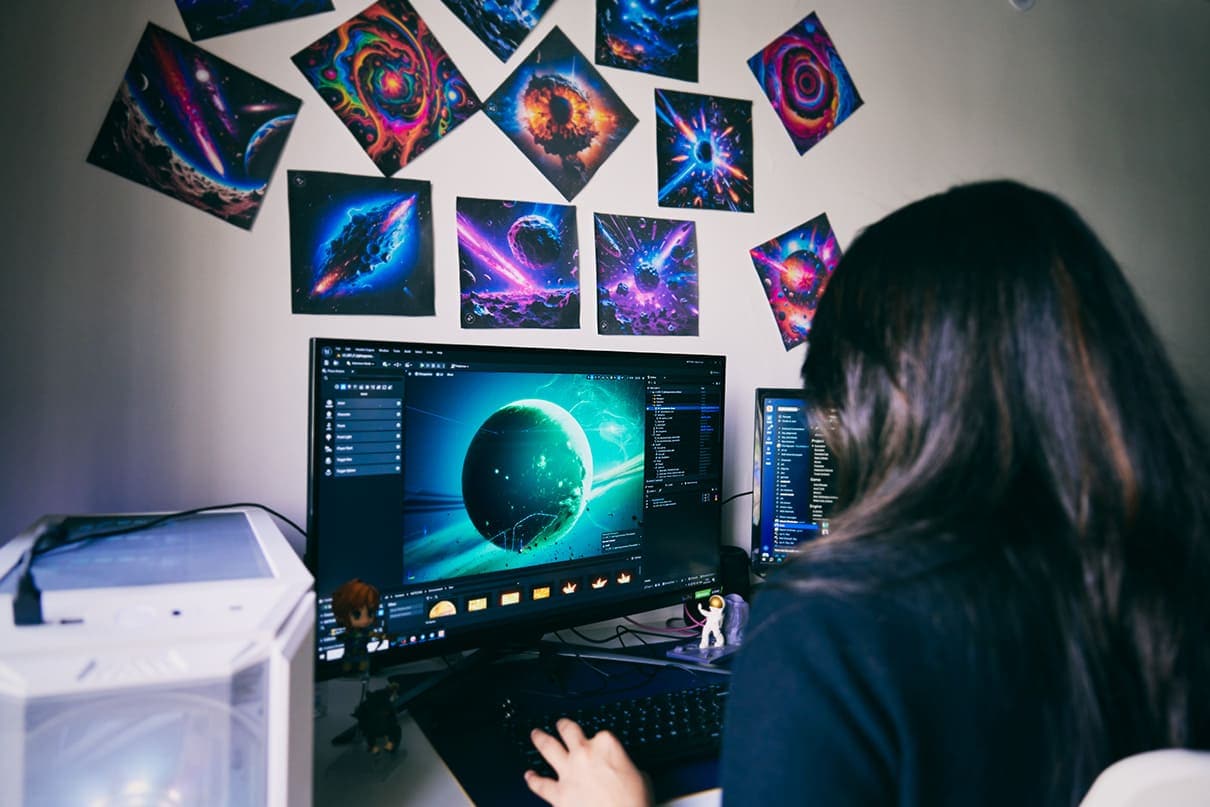
The concept was paramount. This amazingly unique concept of the game was primarily developed by our co-founder, Nairith Roy. Once we established that you would be playing as a meteor, the next logical step was to define the narrative. If we're starting from the Big Bang, we're addressing the very origin of existence and exploring the subsequent expansion of the universe. As a meteor, you're a tiny speck navigating this vast formation process. In essence, you're crafting your own story. So, the narrative became: you are a meteor - go ahead and write your own journey. That was the essence of it. I thought it was brilliant.
After establishing the meteor concept, we asked ourselves: what other intriguing entities in space could assist in this journey? This led us to incorporate various meteors and different colors of meteors into the design. We also considered the nature of the world players would traverse. Is it a calm universe or a chaotic one? We aimed to create a balance by introducing different space zones where players could experience both calmness and complete chaos.
We wanted players to feel the heat when approaching the sun, so we carefully selected colors and elements to reflect the environment they were in. We envisioned grandiose settings, like massive interstellar platforms, and thought about the player's experience in front of them. What fears might arise? Would they risk getting stuck? Would there be a slingshot effect? All these theories came together to shape the gameplay experience.
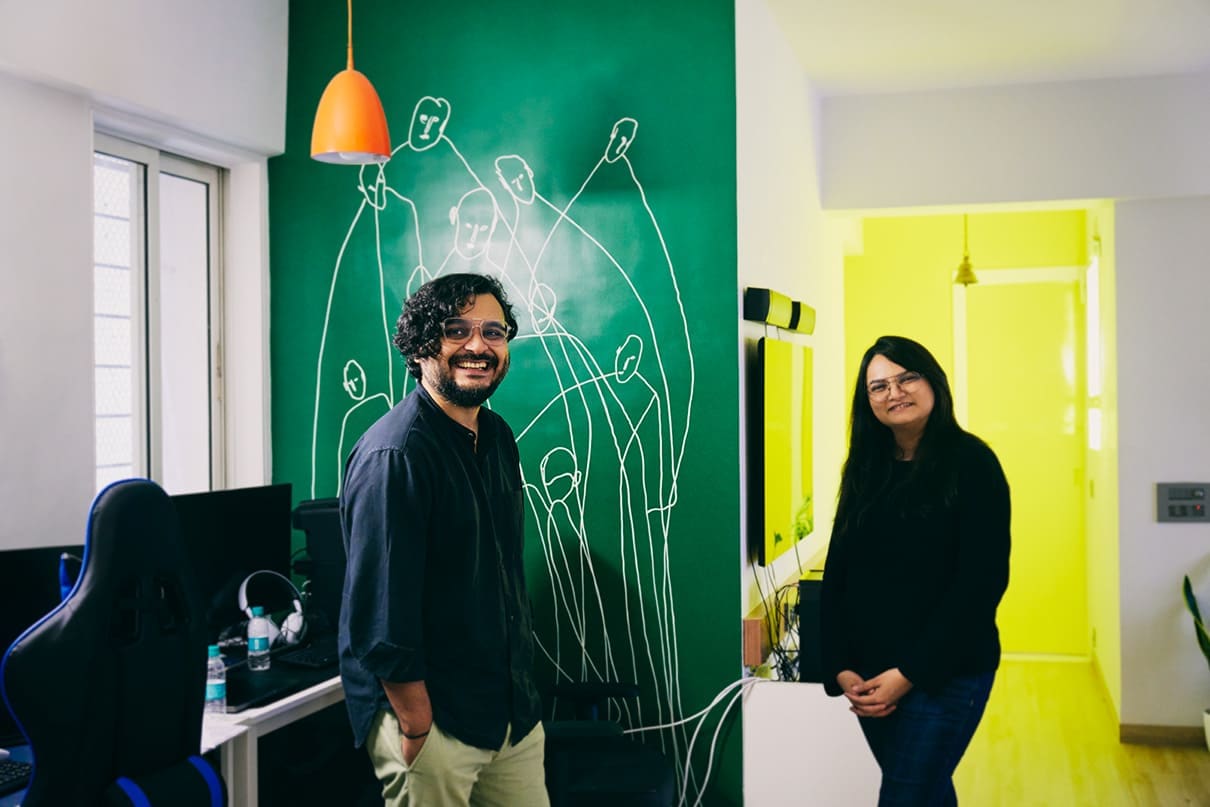
I hope people recognize the importance of honing their skills to seize every opportunity. Often, opportunities slip away because we only have a fraction of what is needed. If you had a fuller understanding, you might discover what you could truly contribute. While I maintain a positive outlook, I believe every project begins with a clear vision of what it aims to achieve, and you could play a vital role in that vision. Sometimes, though, it's a matter of whether your skills are up to the task, and that can be a challenge.
With time, I think people will come to understand their own toolset better. It's essential to remain open and fully committed to whatever you undertake. If you approach your work with that mindset, the possibilities are limitless. Creativity thrives on persistence - keep pushing forward until you reach a point where you can say, "I like what I've created," or "I've achieved what I set out to do." Commitment is key; that's all that's truly required in a creative field.
I come from a creative family, so pursuing a traditional desk job was never an option for me. Growing up surrounded by concerts and various creative environments made it feel like a natural path to follow. I chose my education and everything else with a clear focus on this direction. Creating is simply part of who I am.



Aarti Gaur is a seasoned game artist and co-founder of Big Boot Games, an Indian gaming company. With a background in English Literature and the History of Indian Art & Architecture, she has worked on diverse projects, from animation to independent game development. Her expertise in technical art, shader development, and creative leadership has been pivotal in the development of Big Boot Games' latest title, "Meteora".