
MENA Hero Project 2025 /
Creator of "A Cat's Manor": Among the Top 4 Titles Shortlisted Games


Being selected was both an honor and a turning point. To have our work recognized by Sony, a company known for its uncompromising standards, felt deeply validating. It felt like a reward for all the long nights and sacrifices, but it also carried the weight of responsibility to live up to that trust and deliver something truly exceptional.
For me personally, and for Happiest Dark Corner as a team, it marked a shift in perspective. It wasn’t just about making a game anymore. It became about representing our region and proving what MENA creators can achieve when given the right opportunities. It gave us confidence, optimism, and a renewed sense of purpose for the future.
PlayStation has always had a meaningful presence in our region, reaching out to local developers, encouraging us, and showing genuine interest in what we create. For years, we had seen the remarkable support by the China and India Hero Projects, and when we heard that the MENA region was next, there was absolutely no hesitation.
Applying wasn’t a matter of choice. It felt inevitable. It was a chance to be part of something larger, to have our work recognized on a global stage, and to represent a growing creative community that had long been waiting for this moment.
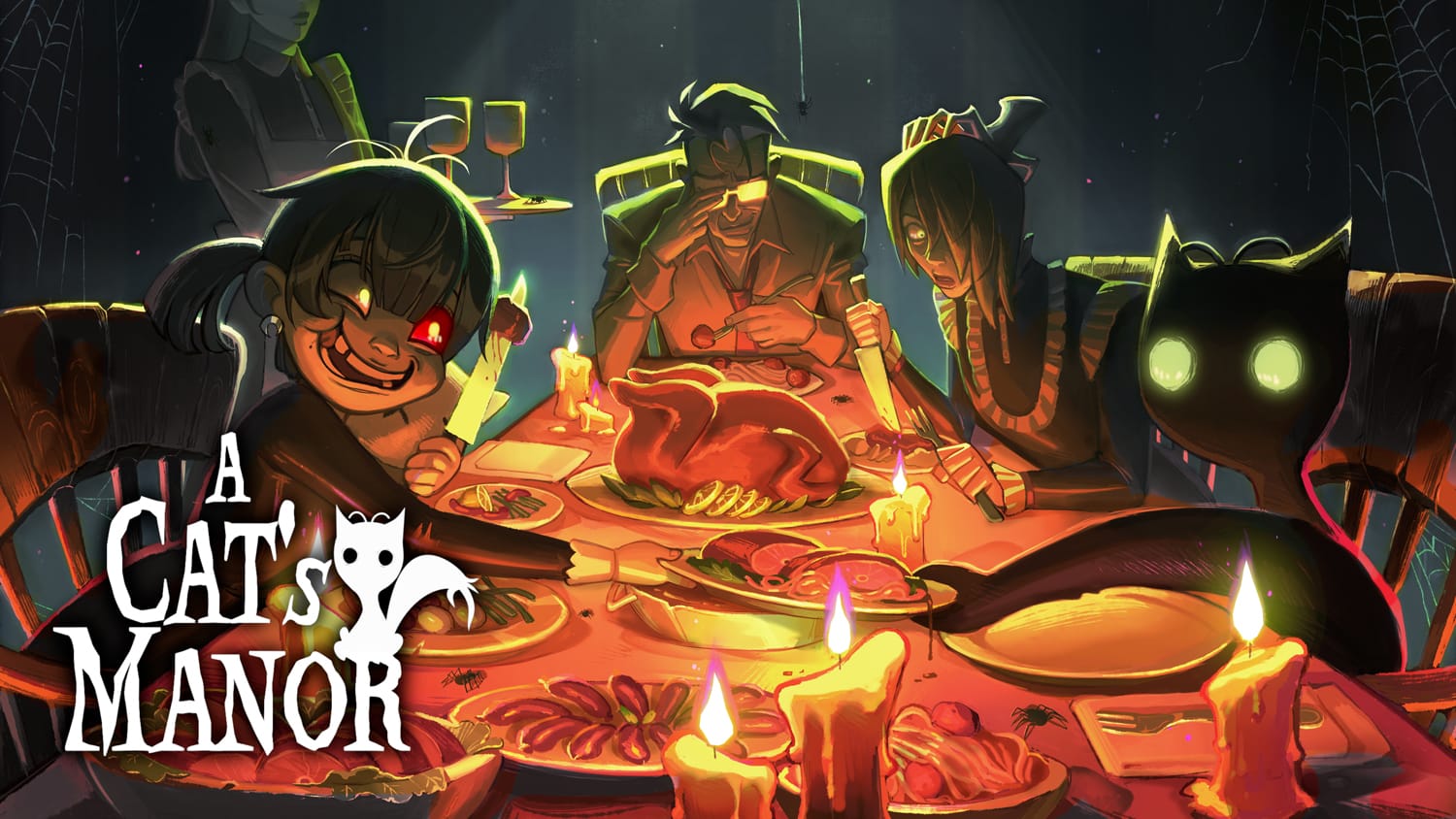
“A Cat's Manor” tells the story of a cat who wakes up in a mysterious manor, only this cat has a human hand attached to its tail. The house is home to an eccentric and unpredictable family, and on the surface, the story seems to be about finding a way out.
But beneath that simple premise lies something deeper. The game uses this strange setup as a lens to explore themes such as the dynamics between generations within a family, the ethics of animal experimentation, and the tension between modern work and personal life.
All these ideas are presented with a sense of playfulness and irony. “A Cat's Manor” may appear whimsical on the surface, but it’s ultimately a darkly humorous reflection on human nature and the world we live in.
Among all its systems and mechanics, what I cared about most were the boss encounters. Those moments are where everything I’ve learned over the years as an artist, an animator, a martial artist, and a musician truly comes together. Each encounter feels like a crescendo, a space where rhythm, movement, and emotion merge into one performance.
What I hope players experience is a sense of wonder and curiosity, that feeling of being somewhere unfamiliar yet alive, where every corner hides a secret and every sound suggests meaning. I want them to feel both disoriented and intrigued, drawn into a world that plays with their expectations and perception.
“A Cat's Manor” isn’t just about solving puzzles or surviving combat; it’s about rediscovering that childlike fascination with the unknown and realizing that even in the strangest places, there’s beauty and intention in every detail.


Exploring the DualSense and 3D audio was like being handed new instruments in an orchestra I thought I already knew. Working with the DualSense was especially eye-opening. Coming from a gamer’s perspective to suddenly working “under the hood” as a developer felt like discovering an entirely new vocabulary. The controller’s haptic range offers tension, resistance, and subtle textures that become part of the storytelling itself. Every vibration can suggest intent, and every pulse can echo emotion.
That same sense of discovery carried into the PlayStation 5’s 3D audio system. Its spatial precision reaches a depth that many home setups can’t fully reproduce, yet even within those limits, it adds a richness that transforms atmosphere into presence. Sound doesn’t just surround you; it defines space, emotion, and rhythm.
Even though “A Cat's Manor” is built in 2.5D, these technologies let us create a more tactile, immersive experience, one where you don’t just play as the cat, you feel its world through your hands and ears.


The momentum is real. Across Bahrain, Saudi Arabia, and the wider MENA region, I see accelerated growth with a strong indie current and a renewed appetite to tell regional stories through our own cultural lenses. That combination of speed, independence, and authenticity feels like the foundation of a distinctive creative identity taking shape here.
With that momentum come both openings and pitfalls. The openings are clear: new initiatives and programs to support creators, and the chance to build cross-border communities that think globally from day one. The pitfalls are just as real. Projects that bite off more than they can chew, putting all your eggs in one basket, or relying on inexperienced establishments before you’ve done the homework. Navigating that line between ambitious and caution is where many teams will either level up or burn out.
My approach to nurturing the next generation is practical. Encourage creators to leverage regional initiatives, form resilient networks beyond borders, and set global ambitions without losing sight of scope. Start focused, deliver with polish, and build trust step by step. In other words: pace yourselves, choose your partners wisely, and let your craft and your community compound over time.

To anyone just beginning their journey, I would say: build your foundation first.
Focus on your studies, strengthen your skills, and take the time to understand who you are and what you want to express. Don’t rush to put your work out into the world before it’s ready. The opportunities will come — but preparation is what allows you to seize them when they do.
Game development, like any creative field, requires patience and persistence. It’s easy to get caught up in the excitement, but true growth happens when you take the time to learn, to refine, and to fail productively.
So don’t bet everything on one project or one moment. Develop yourself first, and the rest will follow naturally.
There is always a quiet restlessness that pushes me forward, a constant desire to refine, to perfect, to bring an idea fully to life. But beyond the craft itself, there is an equally powerful need to tell stories and share experiences that feel both deeply personal and universally human.
What truly sustains me is the connection that forms when people engage with what I’ve created, when they smile, feel something, or see the world a little differently, even for a moment. That response becomes its own kind of dialogue. It reminds me why I began creating in the first place, and it whispers, “You’re not done yet.”


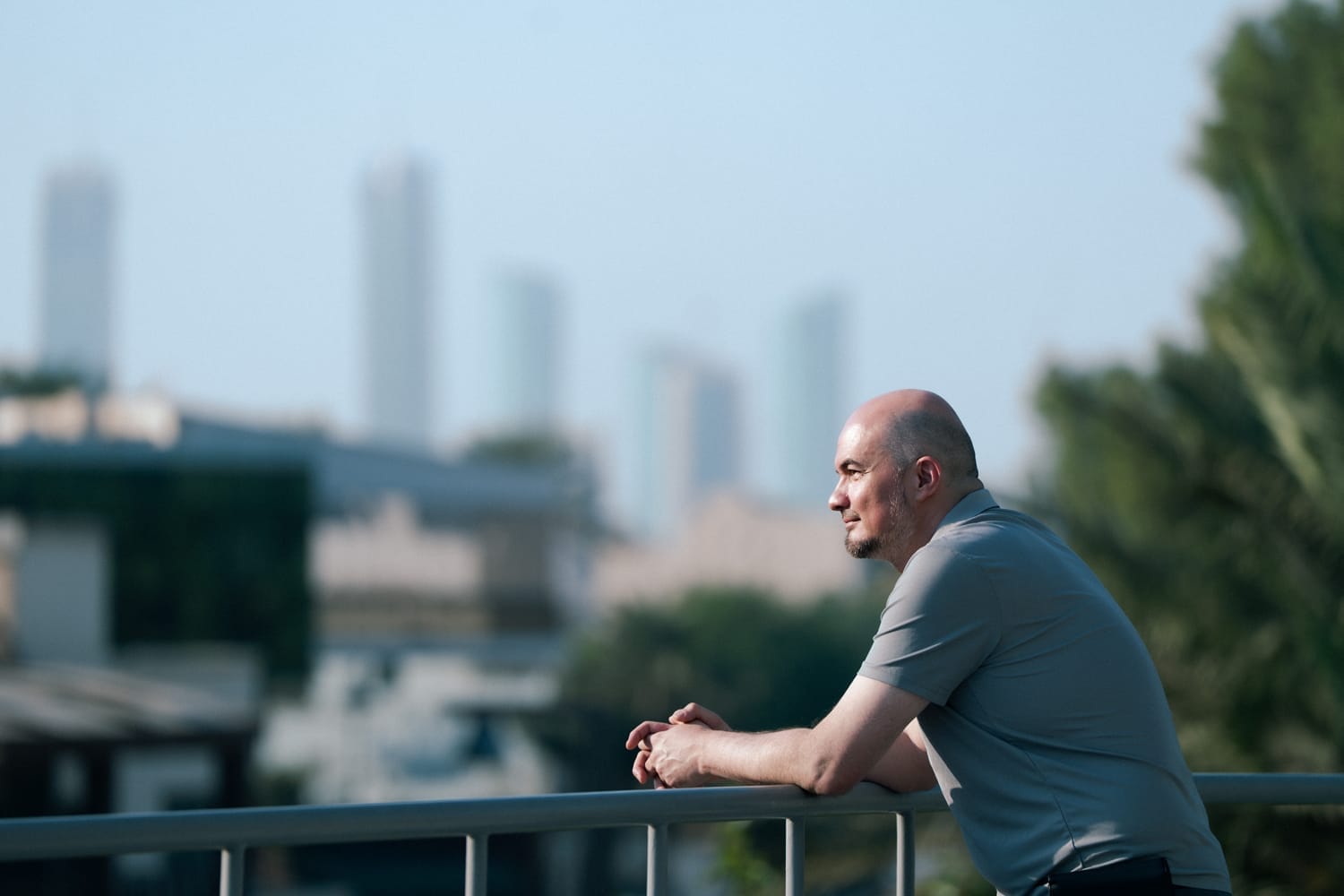
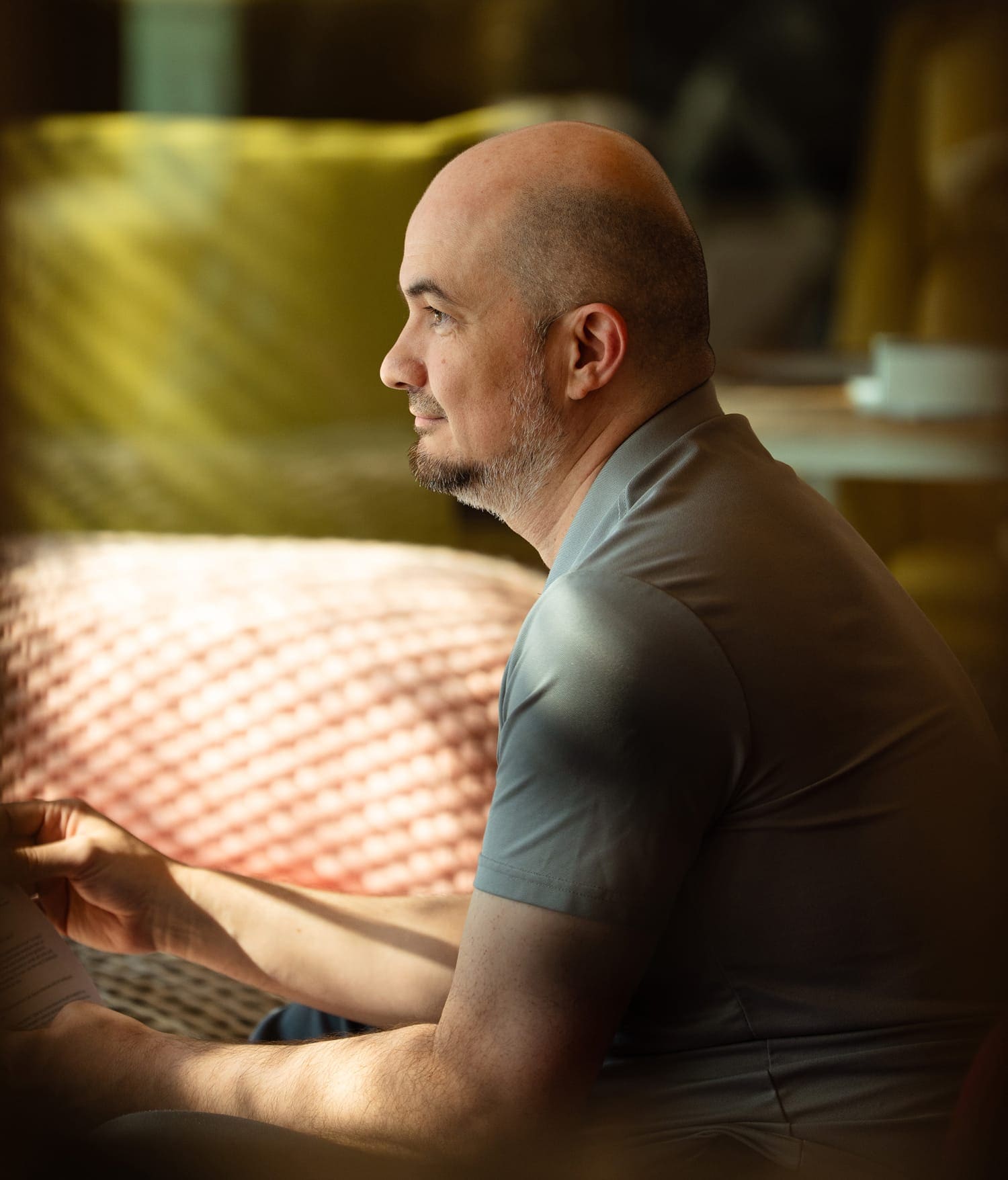
He is the Studio Head of the game development studio Happiest Dark Corner in Bahrain, and an accomplished game developer who has contributed to many titles, such as “A Cat's Manor.” He also established and manages "Gamedev Corners," a game development community in Saudi Arabia, demonstrating his continuous, energetic involvement in nurturing and supporting game developers across the MENA region.


