Sony World Photography Awards /
Photographer of the Year 2018


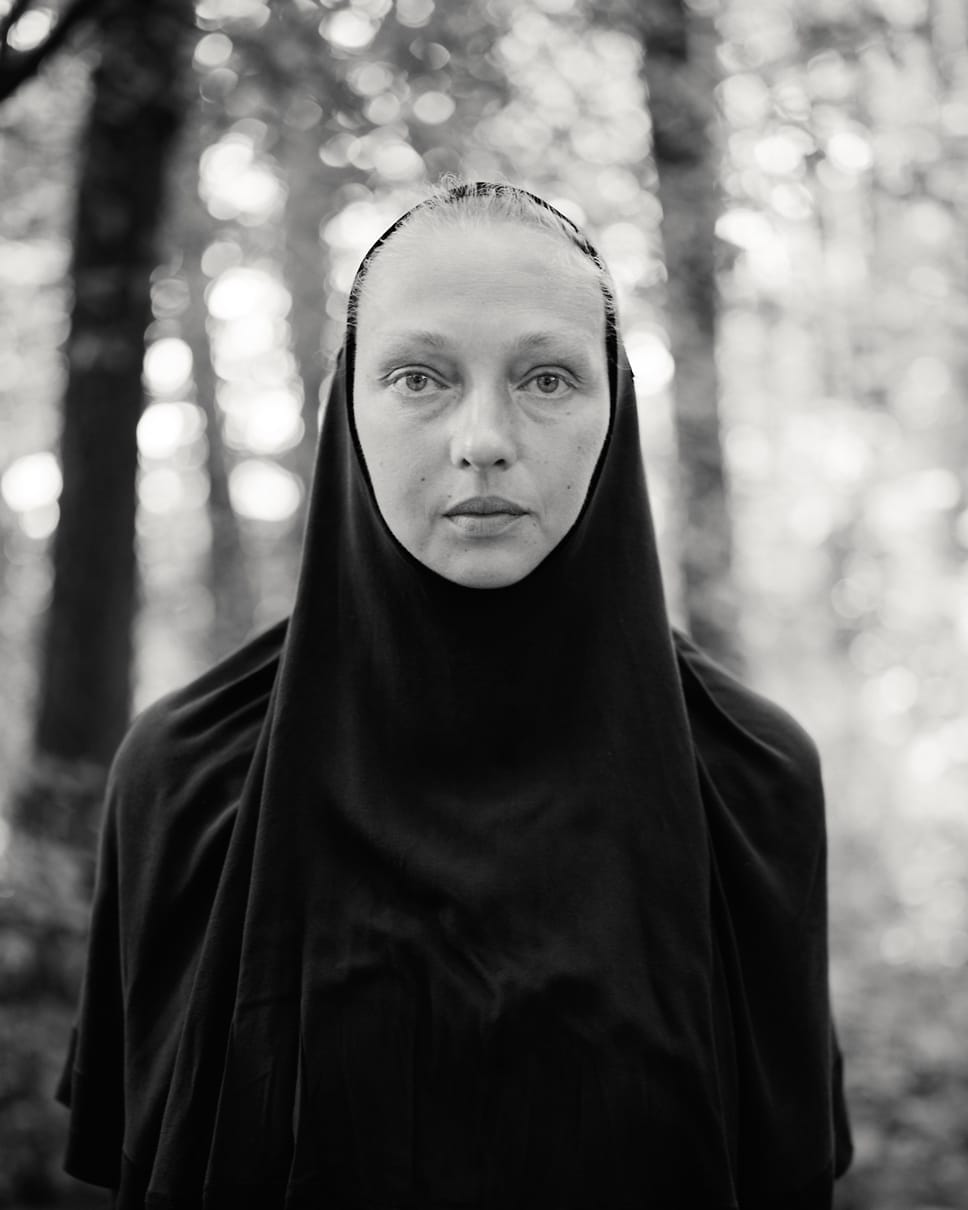
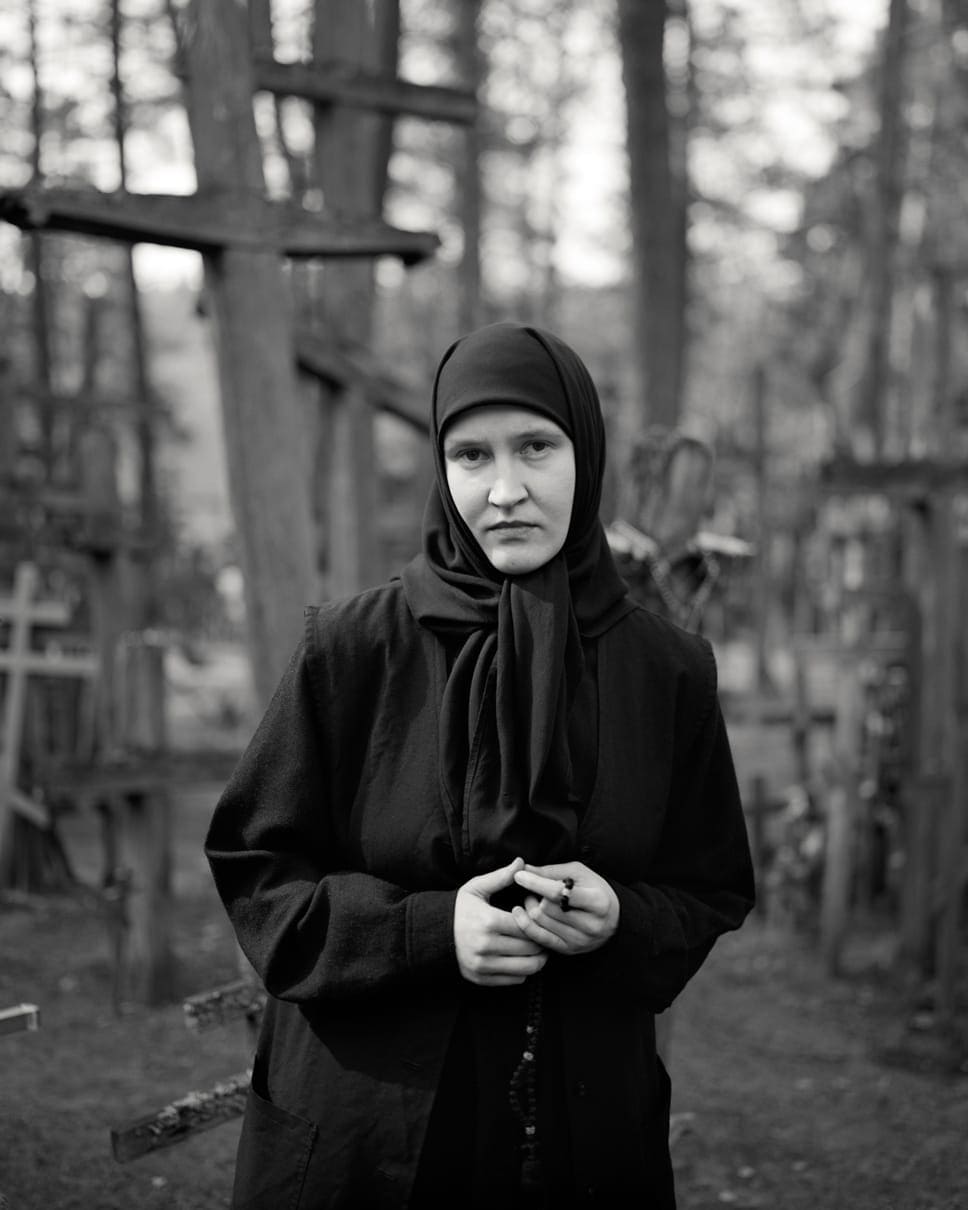
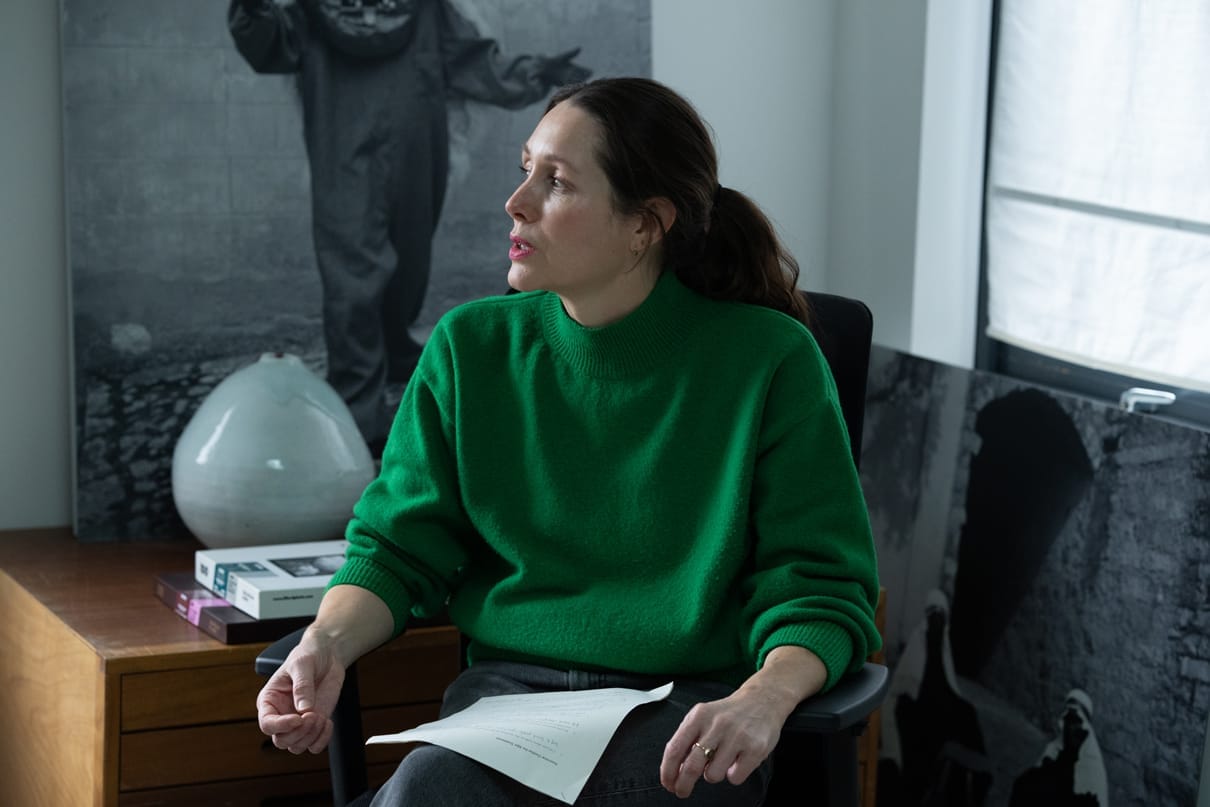
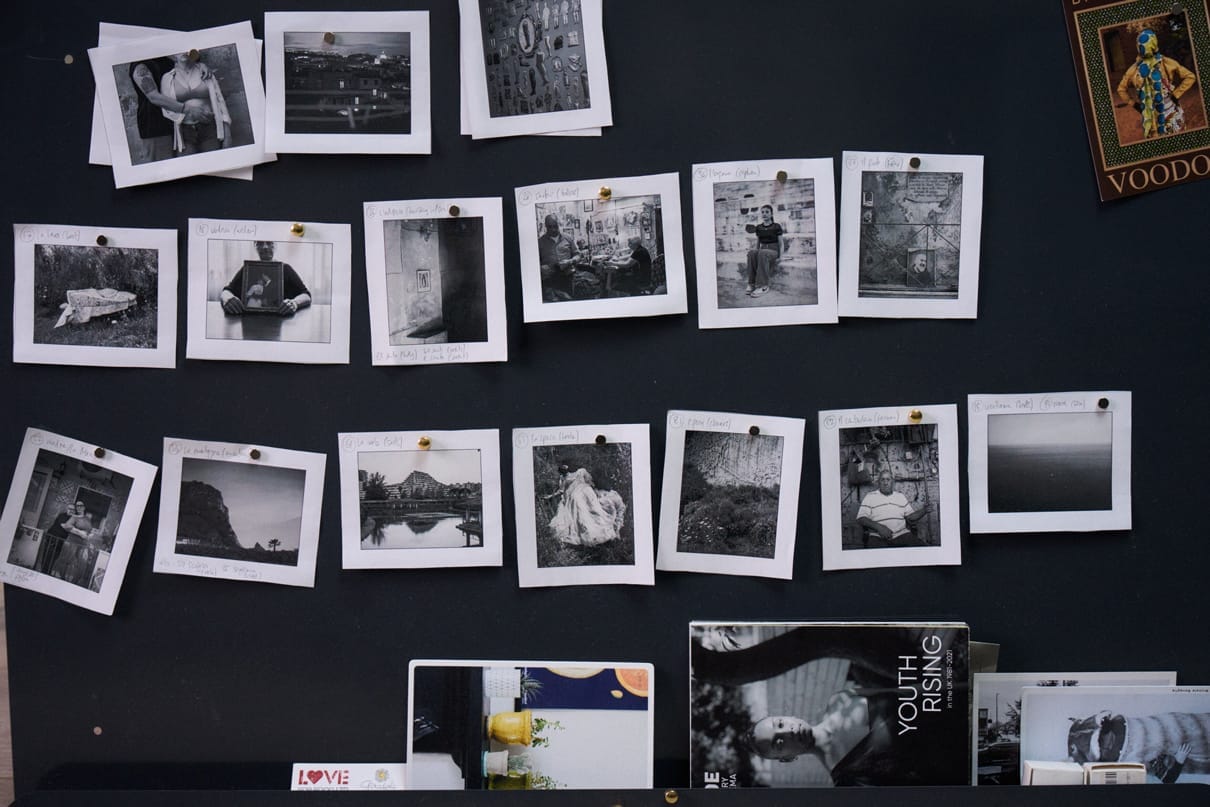
I've always been a curious person. Research is a big part of my creative process, and a great part of my ideas come from films, literature, poems or even a few lines I read in a newspaper article which I write down in my little notebook that I carry around. I am open to other influences outside of photography, and I feel that is what really sparks certain ideas.
For instance, the idea for Ex-Voto, my big project about pilgrimage came from a film about Lourdes, which is a big pilgrimage site in the south of France. Many of my ideas come from being open and curious and interested in the world that we live in and a large part of my work stems from my research, my notebooks and sketchbooks.
In terms of organizing my work environment, sometimes I have a clear idea of how I want to depict the people I'm photographing but I don't usually go in with a strict conceptual plan or plan shoots meticulously in advance because those ideas can go out the window once you're there. I have a sense of what I'm trying to achieve, and often that is through trying to capture the essence of a person or the essence of a place and I always like to leave some things to luck because I think luck and serendipity can also often play a big part in photography.
I try to get as organized as I can and plan to a certain degree, but I also leave it quite open for things to happen which can sometimes be quite unexpected.
I'm conscious of factors like the background and location choices when shooting. I have an idea in my head of how I want it to look, although that doesn't always work out as you imagine. But in terms of the 'vibe' when I'm shooting, I'm often shooting with a big old fashioned large format camera, which requires a high degree of concentration. I like to create a very calm and serene atmosphere. I always think that a little bit of the photographer's own personality comes through in the images and in the atmosphere of the shoot. I would say that I'm quite quiet and calm and I try to create a sense of peace around me, so that would be the main vibe I would go for when I'm trying to shoot something like the pilgrims.
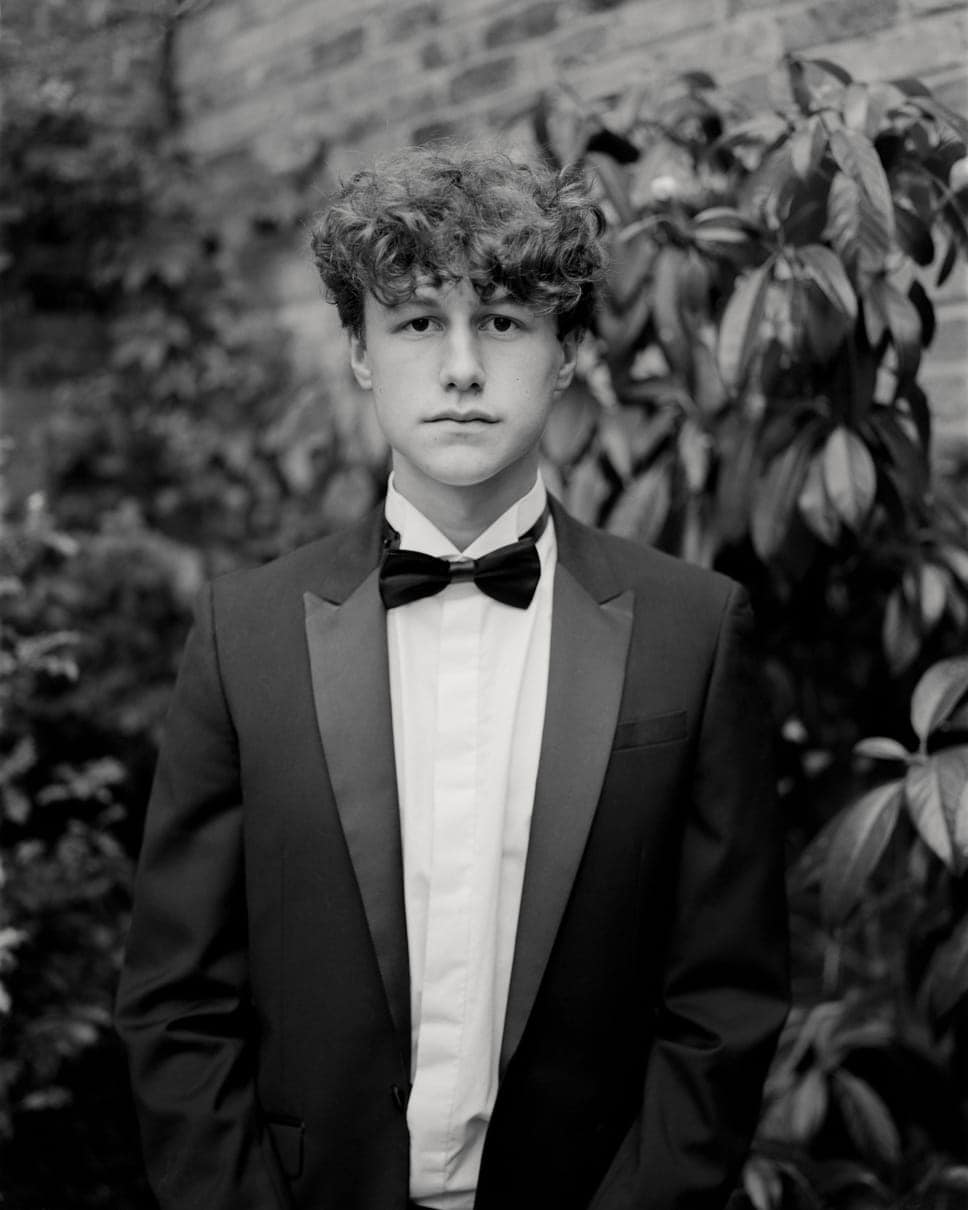
With the proms project which was called "Lost Summer", I photographed teenagers during COVID-19 who had to deal with their proms being canceled. There was understandably a sense of melancholy to the images because of what they were going through and what we were all going through. There was this sense of loss and longing. But I also wanted them to be quite confrontational in a sense, and I wanted them to be very direct in those portraits. I was directing them to a certain degree, meaning that I wanted them to be still, and focus very hard into the lens, but I also wanted to capture this sense of quietness and stillness, which is very important to how I make my portraits. So, I would say I did give some level of direction.
I'd like to emphasize again that I also leave it open for the person I'm photographing to express some of themselves. And I feel when it comes to portraits, it can be the smallest gestures that make an interesting image. For the proms in particular, I started noticing that the girls and the boys held themselves differently. The gestures they made, where their hands were, were often quite important signifiers in terms of how you read the image overall.
I feel that portraits to me are a collaboration in that I respond to them, and they respond to me. And it's when those two things come together that it can sometimes make something quite special.
I've always known about them, and at that point in my career I'd applied for a few competitions before and had some degree of success, but it was this new body of work that I submitted to the Sony World Photography Awards. I remember being very impressed with the interesting range of people in the jury; there was a photo book publisher, some curators, and directors of museums. The reason I applied was not only because it's a highly prestigious competition but also because that year they had launched a new category called Discovery, which was rather appropriate for the work I was making at that point. I felt that it really fitted with this project about pilgrimage, which was very much about people discovering their own faith and discovering their connections in the landscape. I guess that was maybe an element of luck as well, however the Sony World Photography Awards wasn't something that I was really set on entering. I had entered it and then forgot about it, so obviously when I ended up winning, it was a huge surprise and very exciting.
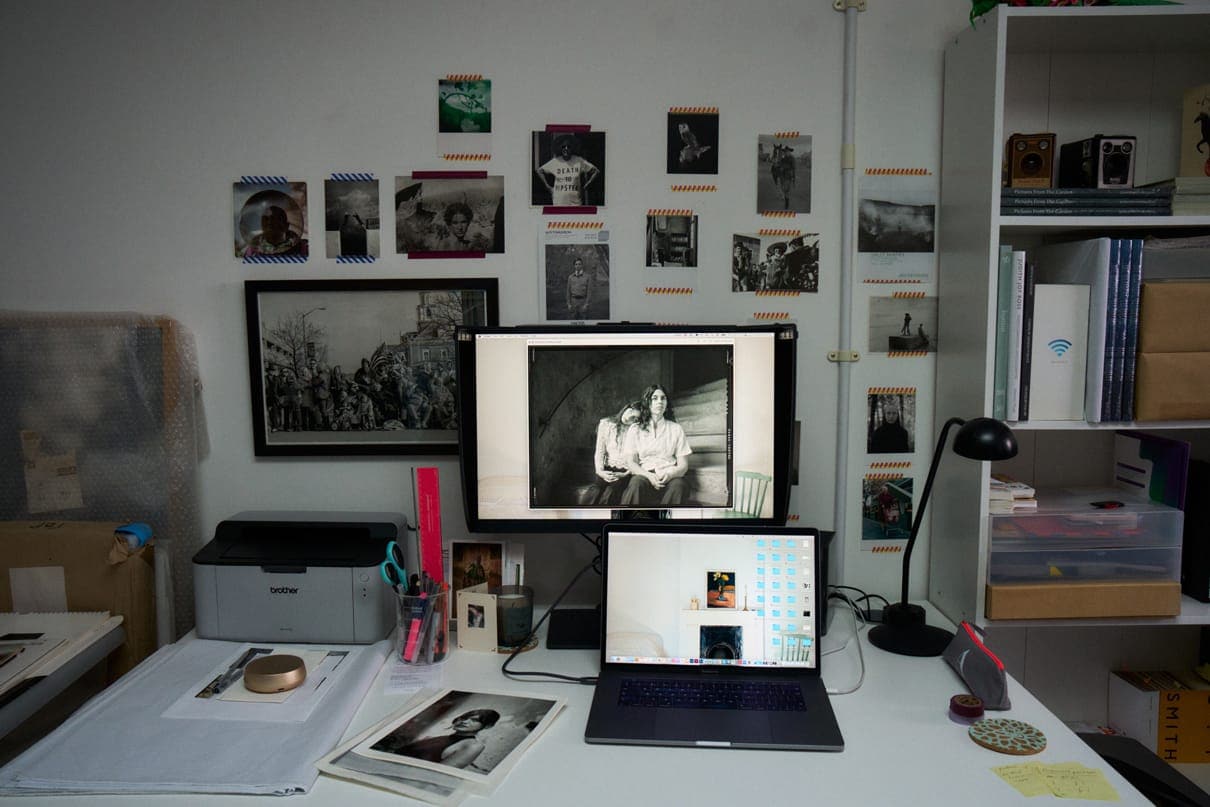
I use a number of different cameras and equipment for my personal work. I mostly use a very old-fashioned large format film camera, and I shoot in 5x4 format. It's all shot on sheet film. And it is an extremely slow, considered, and thoughtful way of working where you have to be very precise. For the documentary feature film called "Mother Vera" which is stemmed from the Sony grant, we shot everything on the Sony including Sony a7R III, which was fantastic, mostly using the 50mm lens because I love the beautiful depth of field that you can get with that. And because of this particular model being mirrorless, it was extremely quiet and easy to handle, which was very helpful when we were in convents, where it's often very silent and very calm and still.
I also don't feel like I'm making a big entrance when I use those cameras. They're very discreet, which has been brilliant in terms of working in a convent. The big documentary film called Mother Vera will hopefully be out in 2024.
I think you have to make work from the heart. That sounds a little bit cheesy, but you must be driven by what interests you. There's no point in making a body of work about something that you're not very curious about. You have to have a part of yourself, and a part of your own interests come through in the images. So in terms of personal work, I would say that is what's most important.
When it comes to the photography industry as a whole, you have to be very tenacious, and you have to work extremely hard. It has to be the only thing you can ever imagine doing. I meet some students who will say "Well, maybe I'll be a film director, maybe I'll be a lawyer, maybe I'll be a photographer, or maybe I'll be a TV director", but I would tell them "No, you have to only want to be a photographer because it's so hard and so competitive that only the people who truly want it the most will succeed". I think my advice is to just keep going because these things take a long time. I was working for 20 years before I had success in competitions, so you have to believe in your work strongly and just stay very focused and committed, but also very open to what's around you.
And that's where I feel it's important to get other influences outside of photography because those are the things that will drive your work forward and give it the extra layers and dimensions that will take it to a different level.

I feel that I've always been quite academic in terms of my background and my family. We're very academic, so I think creativity can come in many different forms. I don't think it just means you can take a good picture, or you can make a nice drawing of something. For instance, I'm terrible at drawing, so I don't feel creative in that sense.
But creativity to me is about expressing how you feel through the stories you tell. I feel that's where my voice comes through. And I also feel that with every photograph I take, there's a little piece of me in that photograph and in that story. I don't mean that in an egotistical way, to make it about myself, but you can't disassociate yourself or the maker from the work created.
This is why I think it's very important for photographers to not be afraid to express who they are and what they're experiencing through the work that they're creating. In fact, I think that makes the body of work much, much stronger in the end. I think it's truly important to be open to that.
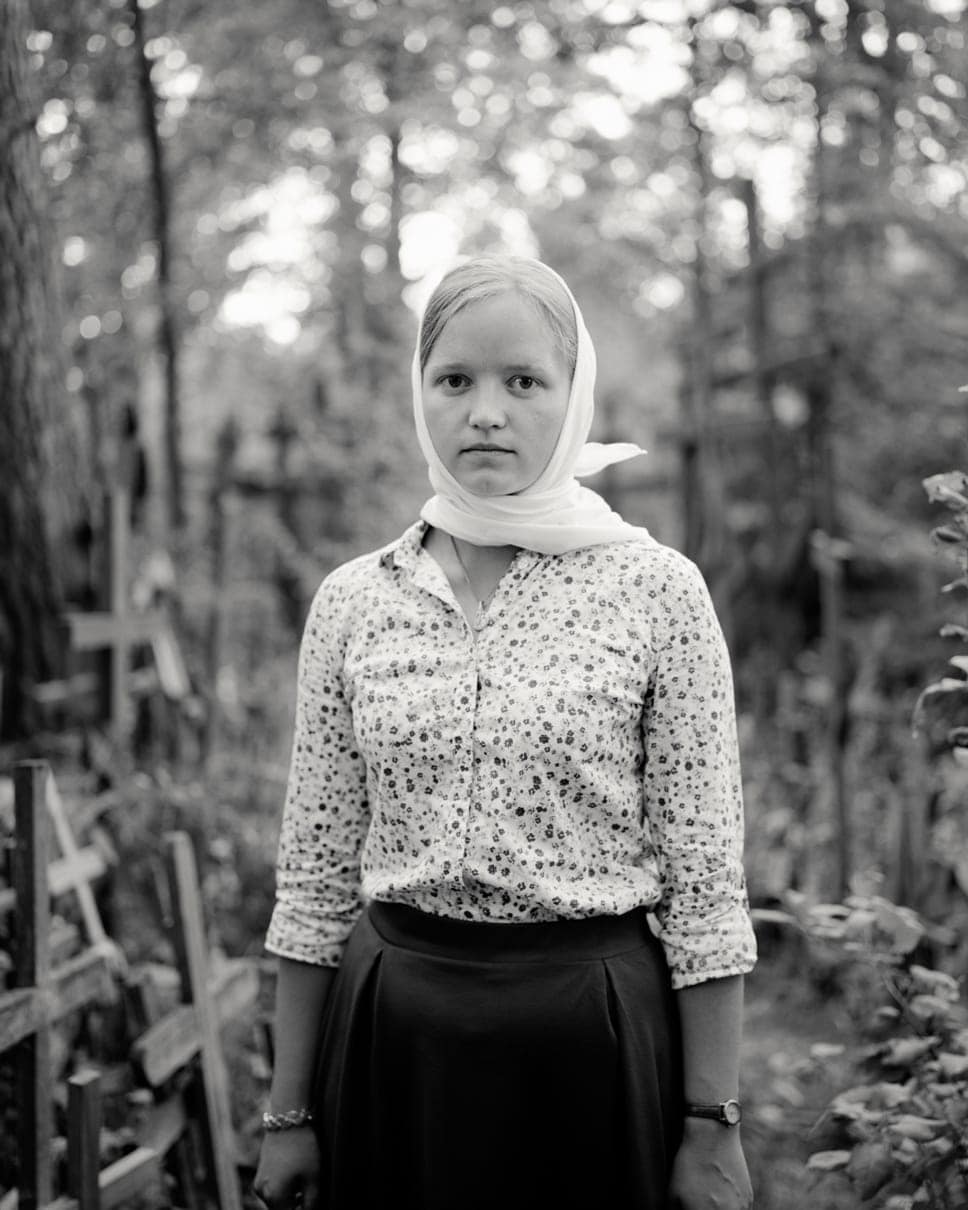
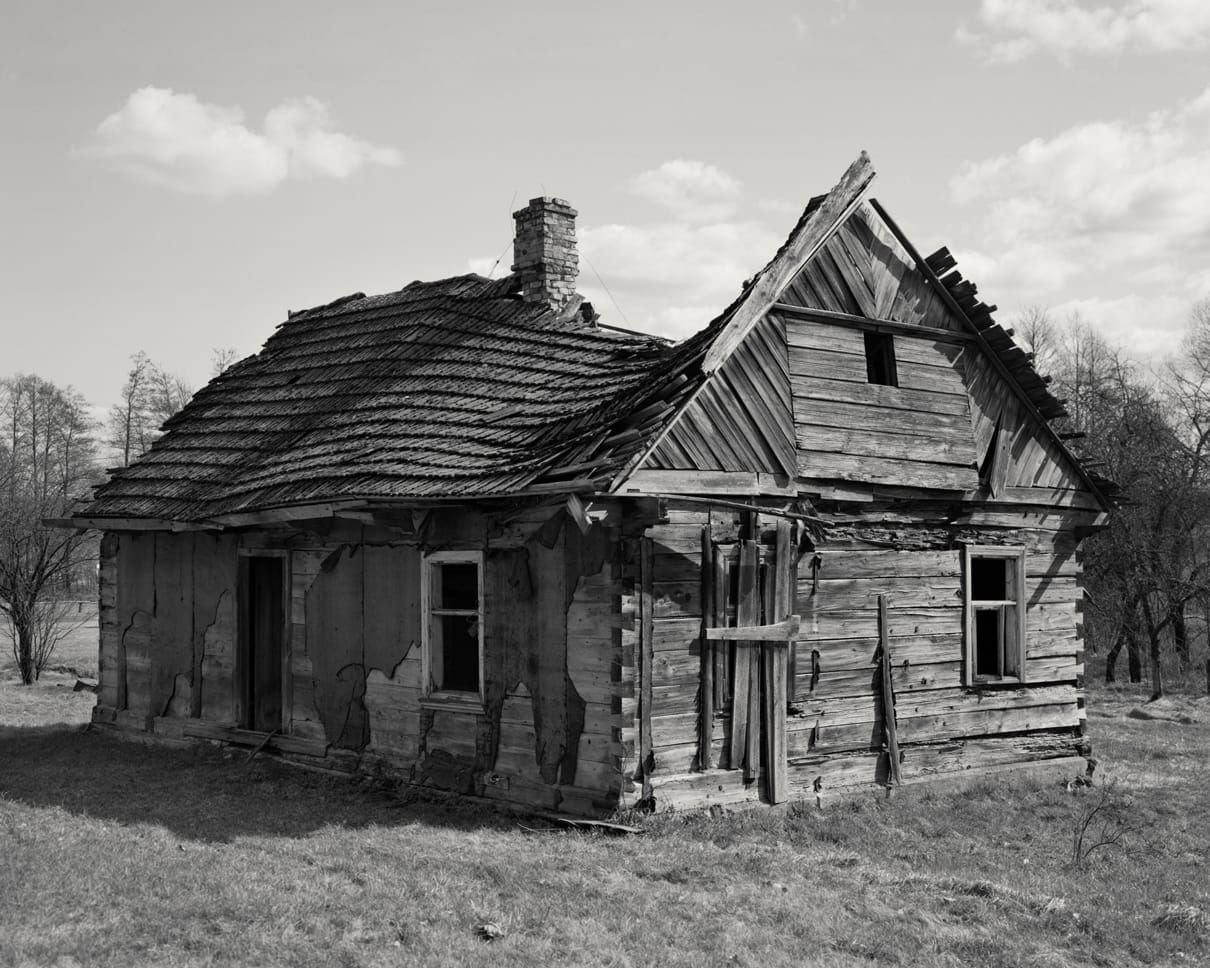
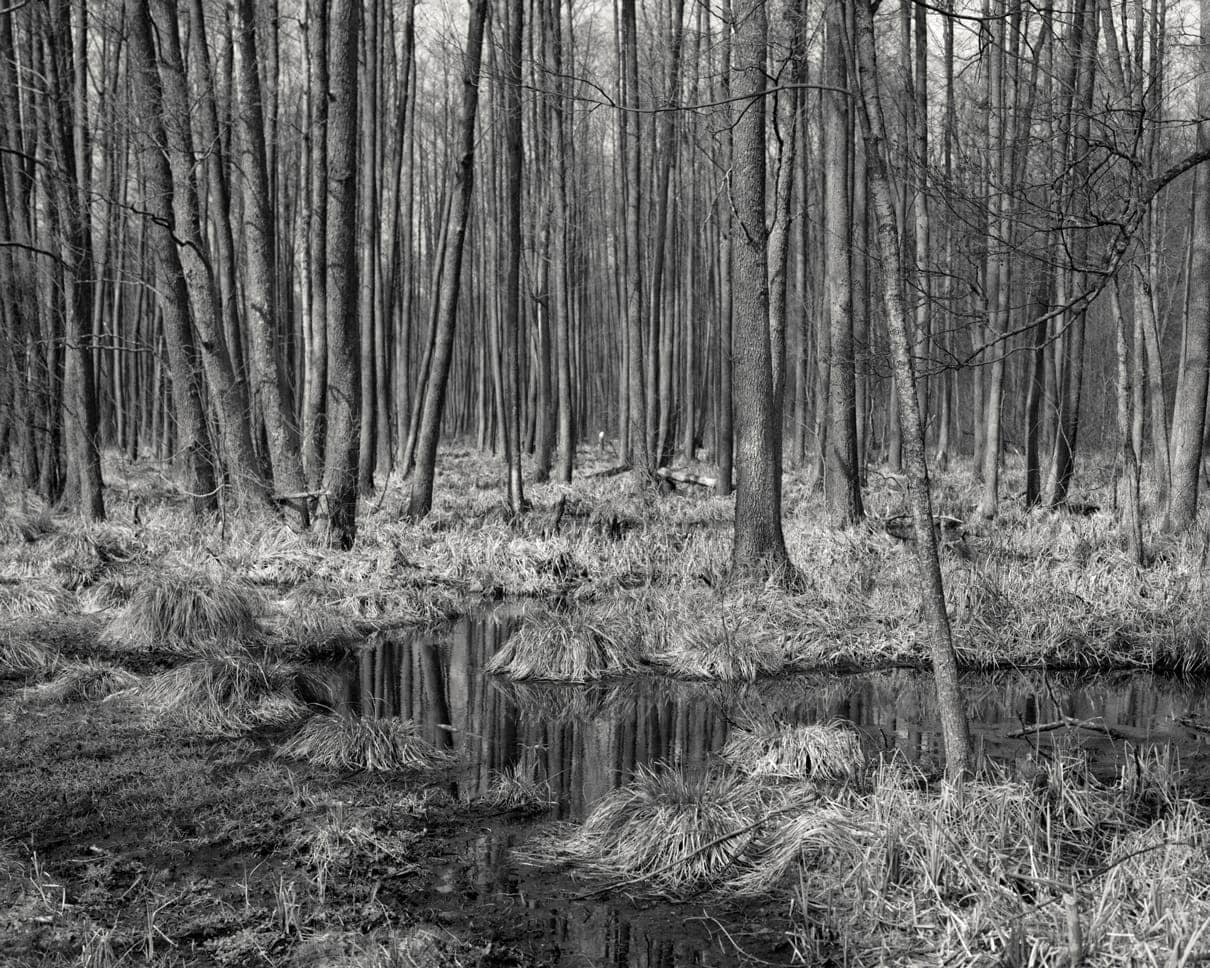
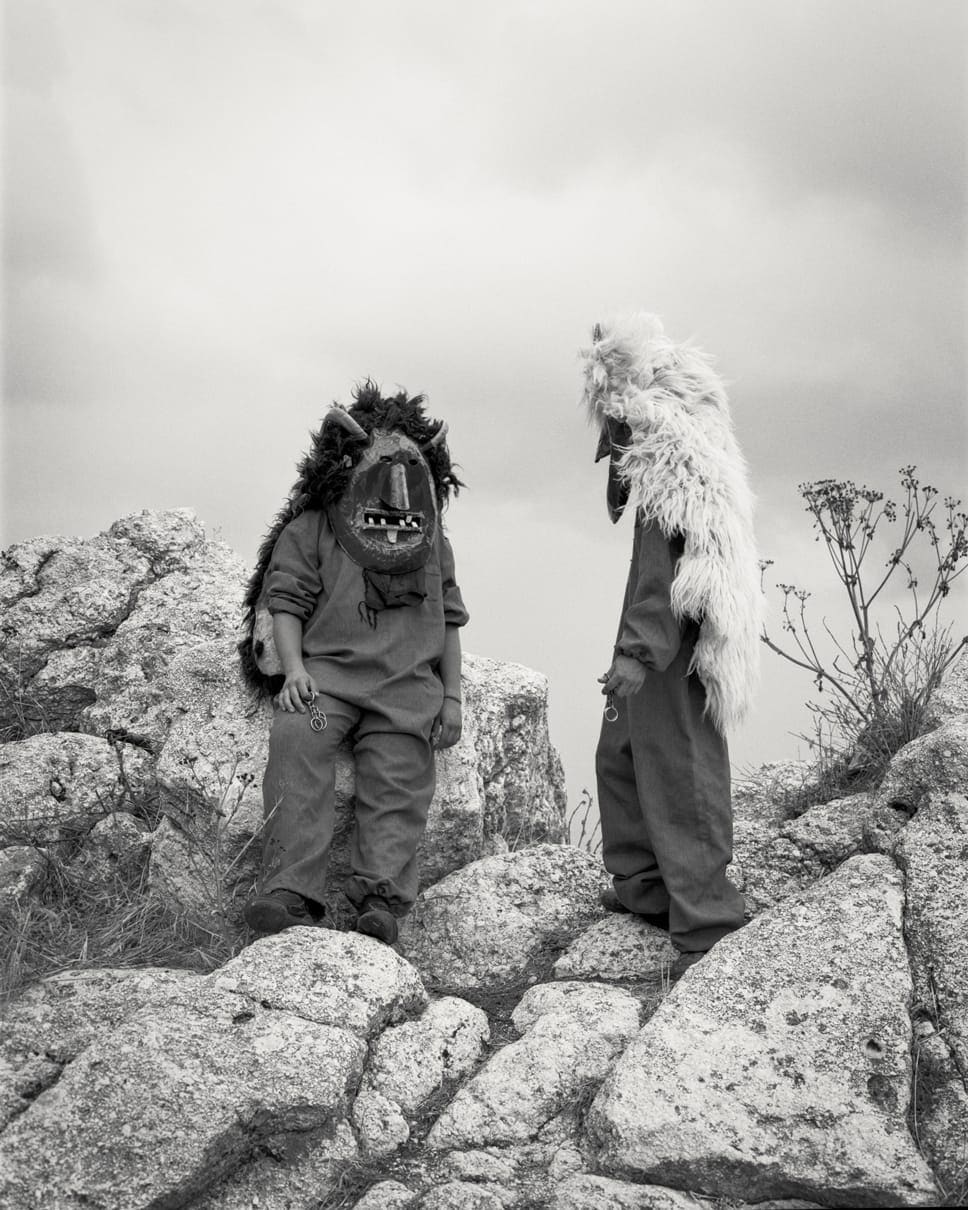
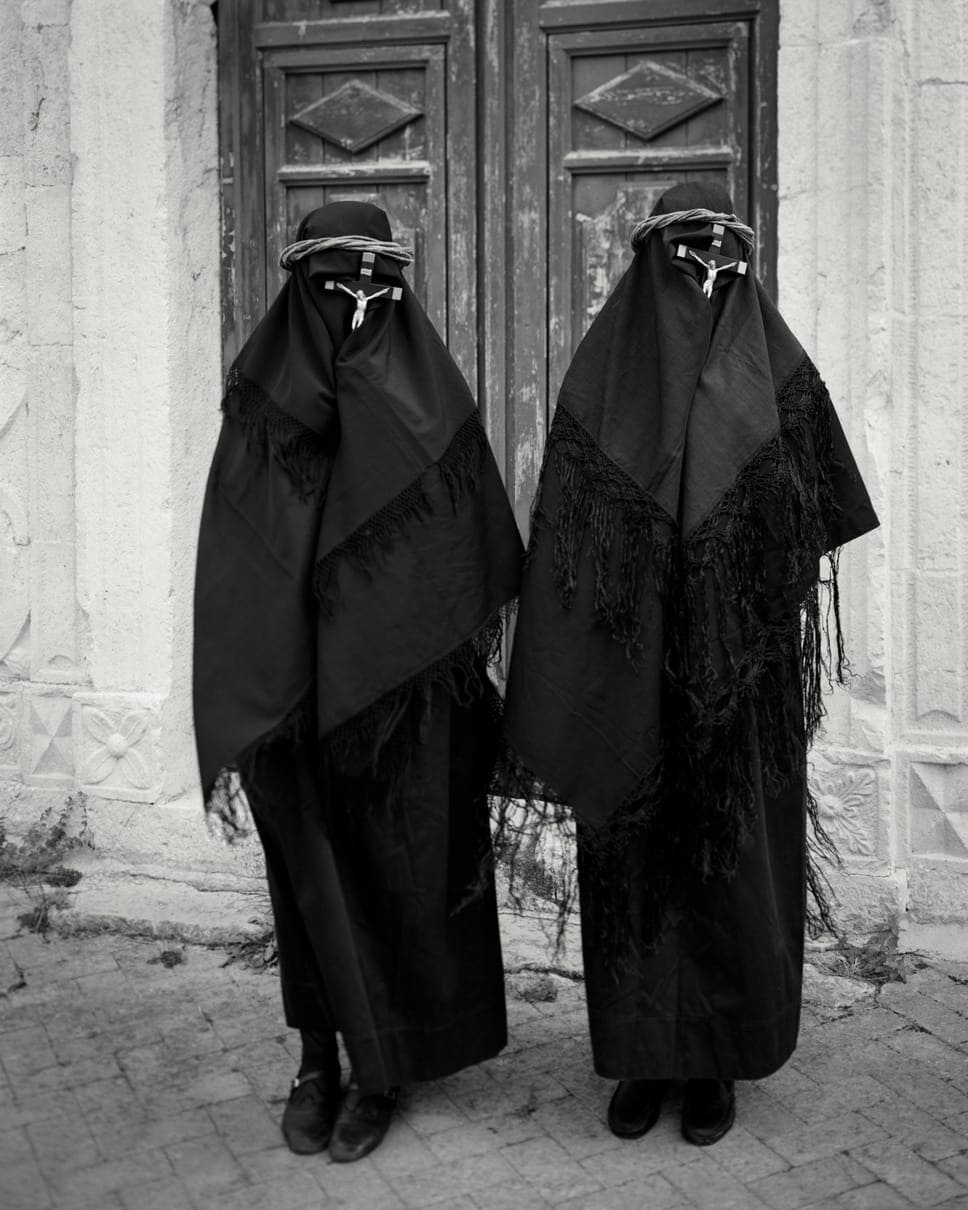
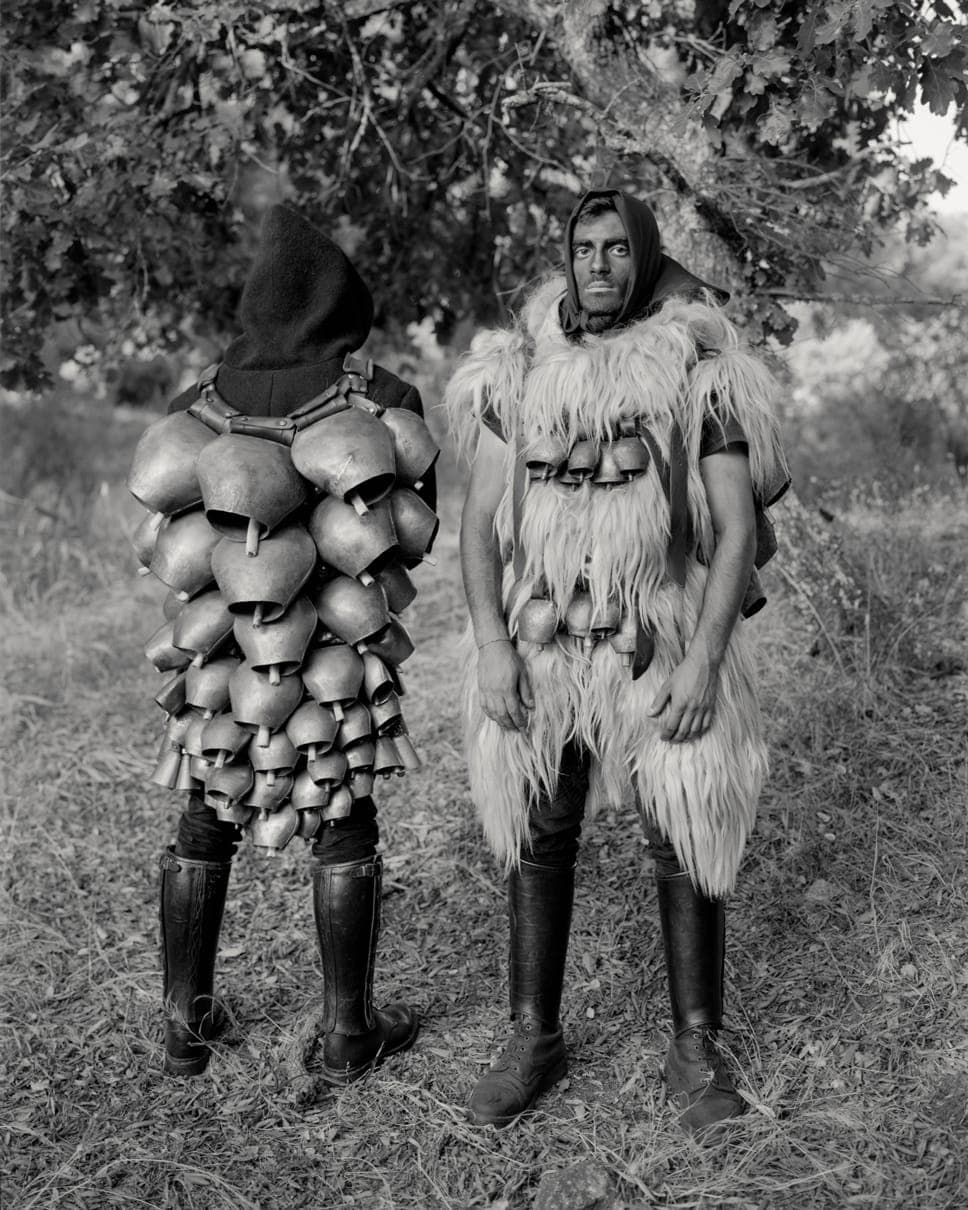
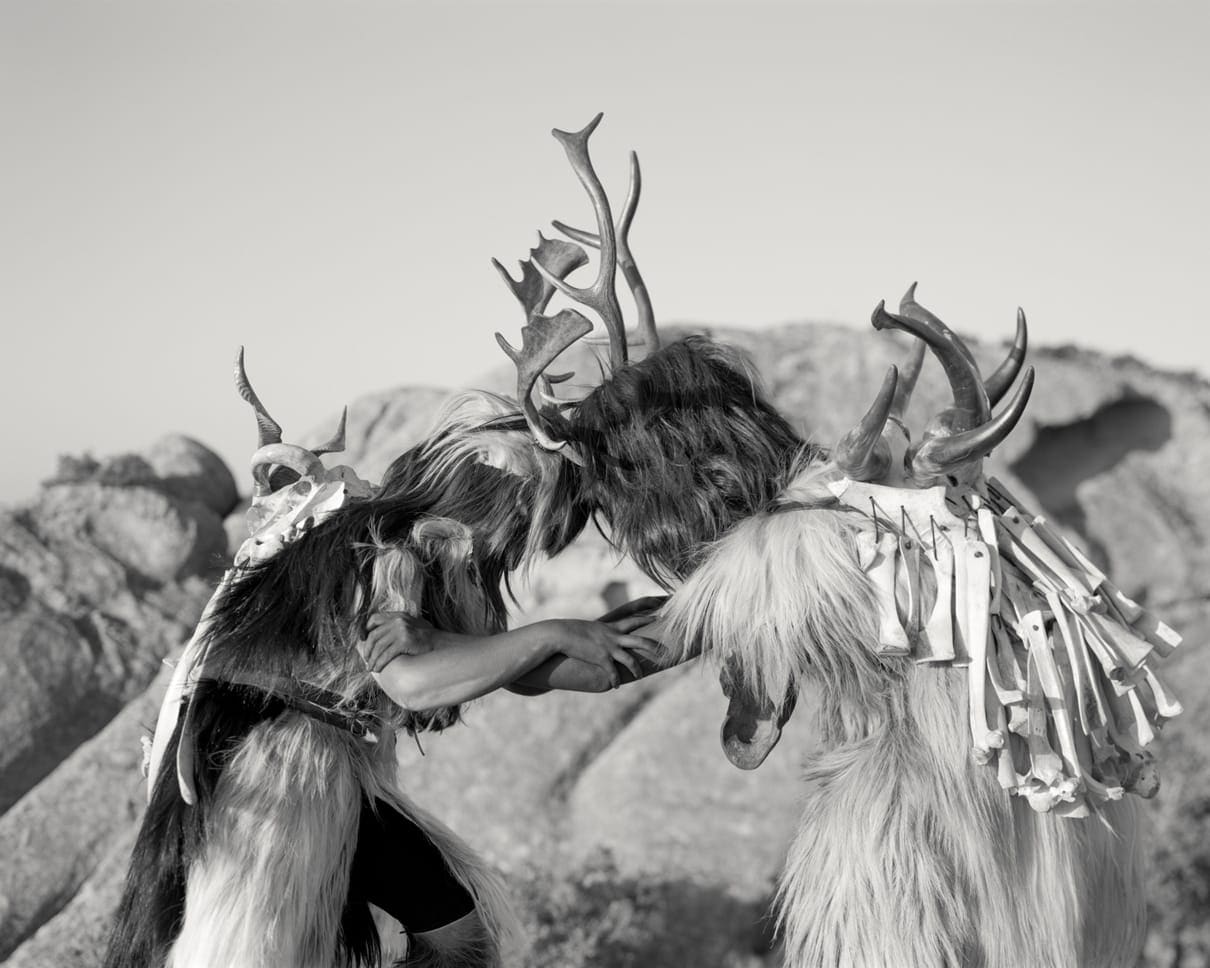

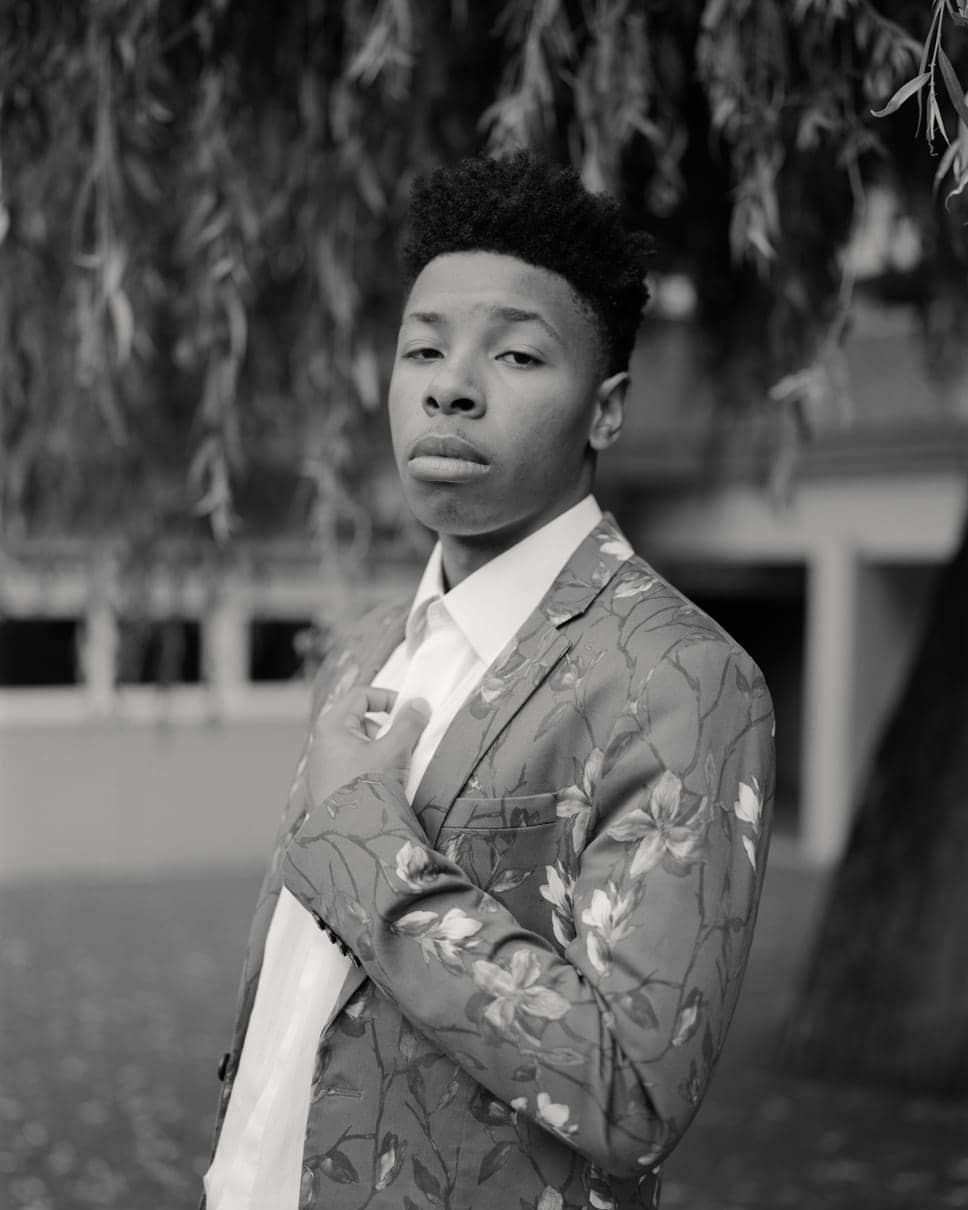
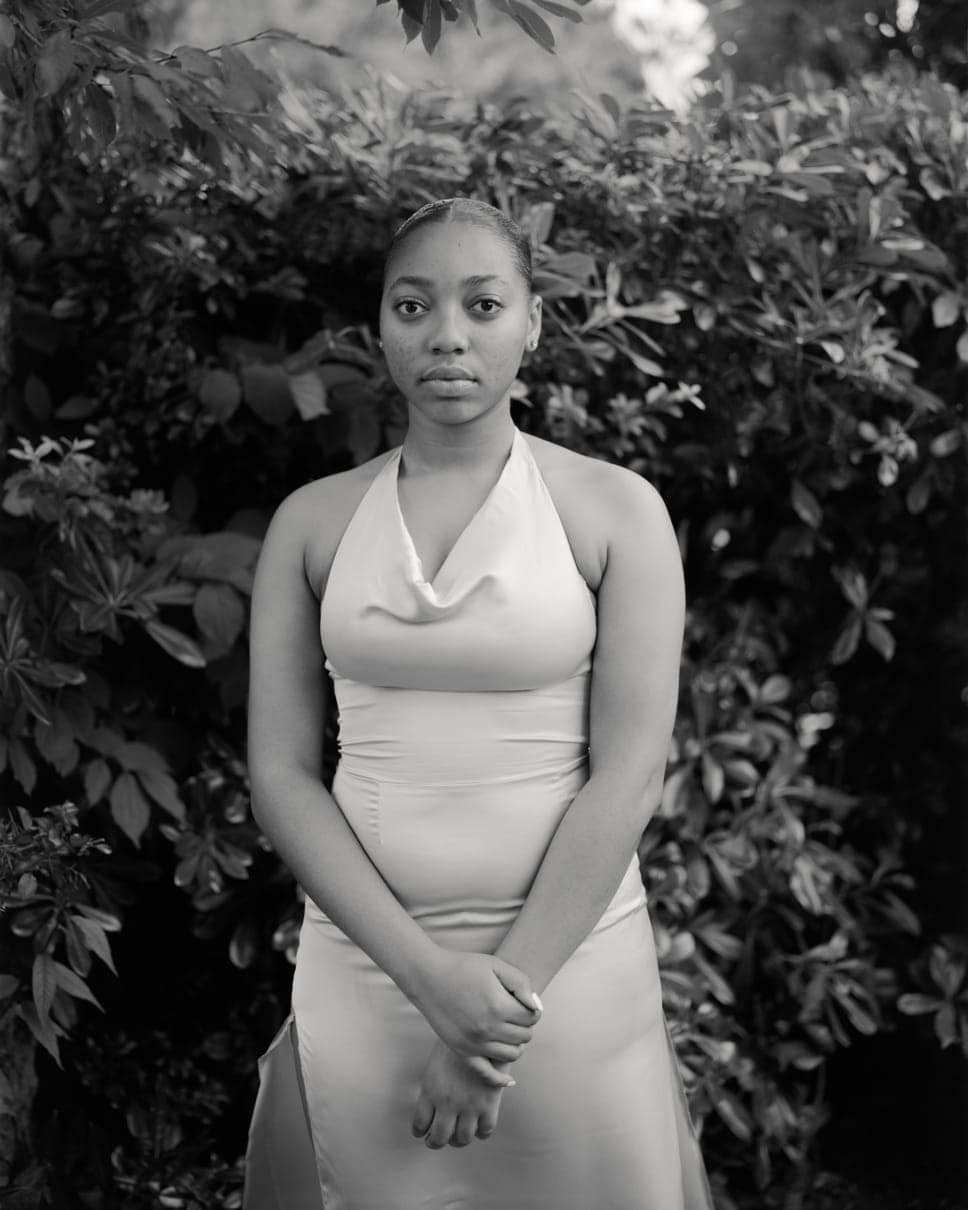
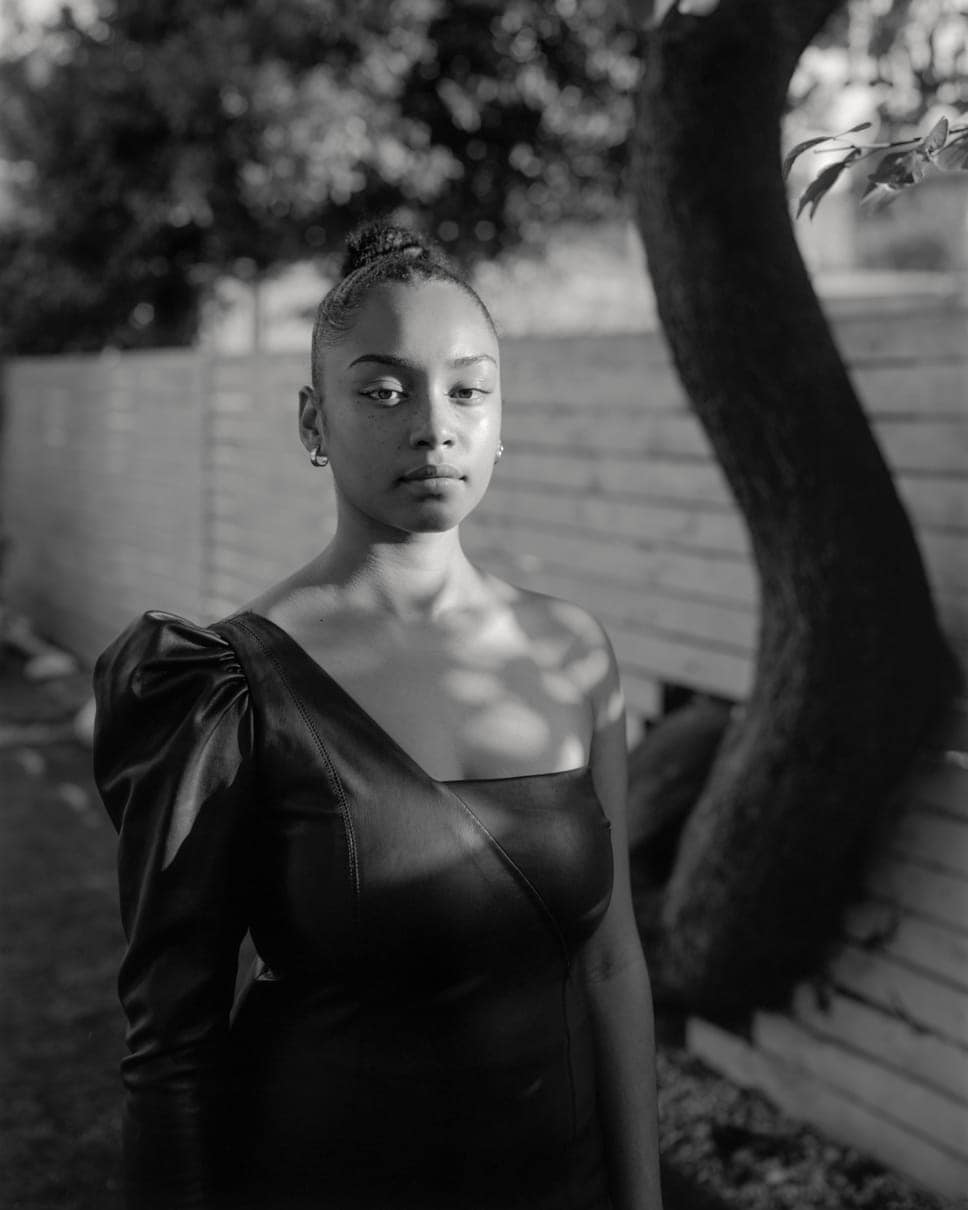
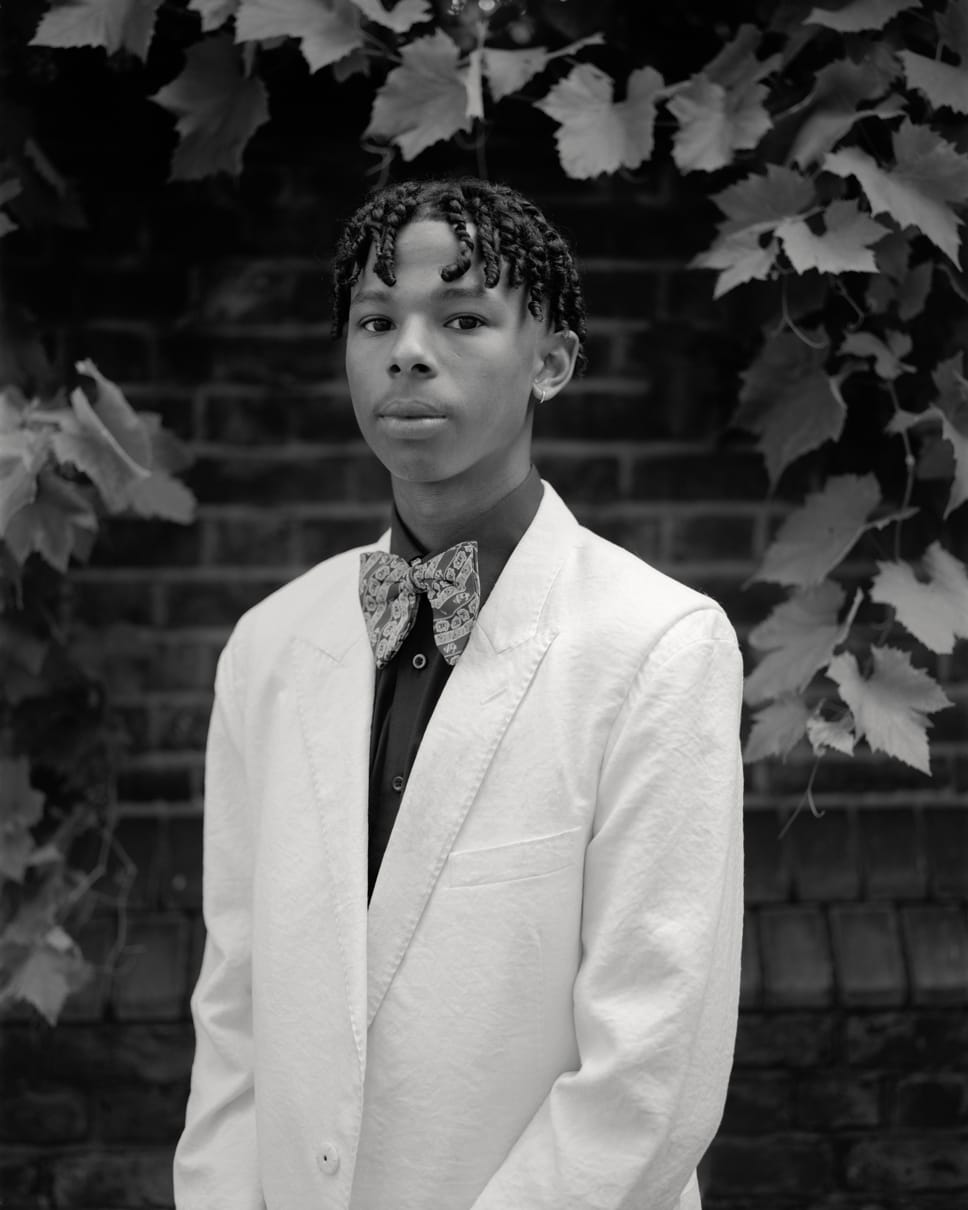
Untitled, from the series Ex-Voto(Sony World Photography Awards 2018, Photographer of the Year, Discovery, Professional Competition) / Untitled, from the series Ex-Voto(Sony World Photography Awards 2018, Photographer of the Year, Discovery, Professional Competition) / Untitled, from the series Ex-Voto(Sony World Photography Awards 2018, Photographer of the Year, Discovery, Professional Competition) / I Diavoli, Prizzi, Sicily, from the series Gli Isolani / Le Maddalene, Militello Rosmarino, Sicily, from the series Gli Isolani / Is Sonaggiaos, Ortueri, Sardinia, from the series Gli Isolani / Sos Corriolos, Neoneli, Sardinia, from the series Gli Isolani / Sos Merdules, Ottana, Sardinia, from the series Gli Isolani / Fabian, from the series Lost Summer / Jameela, from the series Lost Summer / Precious, from the series Lost Summer / Samuel, from the series Lost Summer


Alys Tomlinson is a British photographer who grew up in Brighton and studied photography at Central Saint Martins. She is most interested in the relationship between people and place, exploring themes of environment, belonging and identity. She lives in London and combines commissioned work for editorial, design and advertising clients with personal work, which she publishes and exhibits.