Jul 8, 2025
Sony Group Engineers Pioneer a New Era of Full-frame Mirrorless Interchangeable Lens Cameras
Alpha 9 III, Equipped with Global Shutter Full-Frame Image Sensor
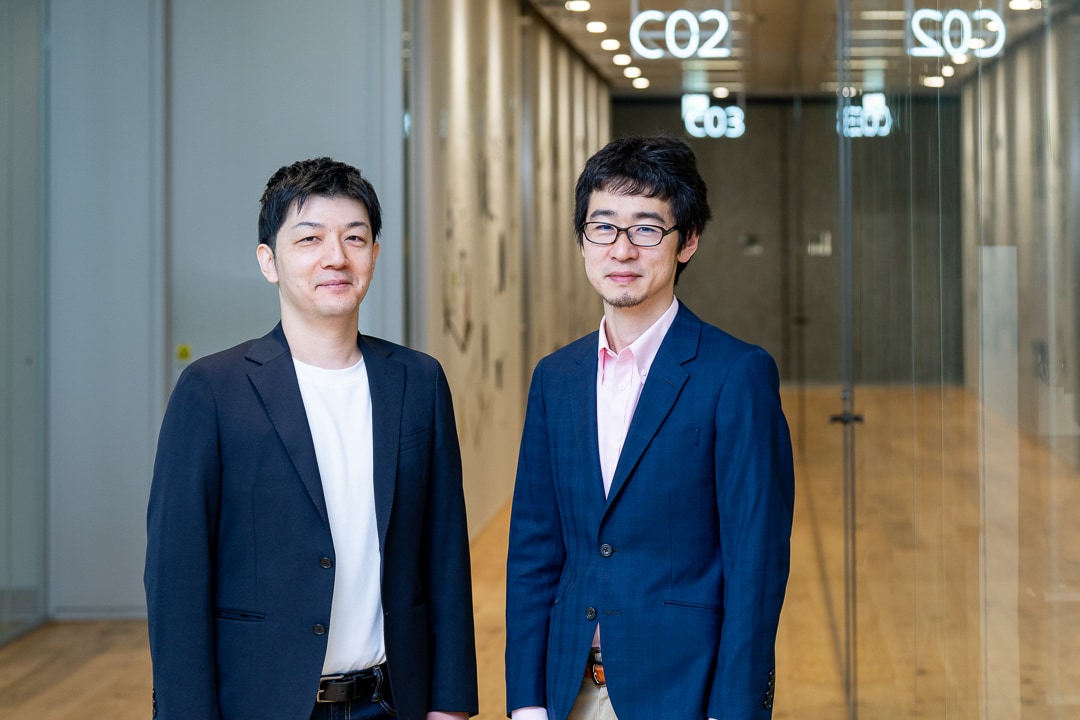
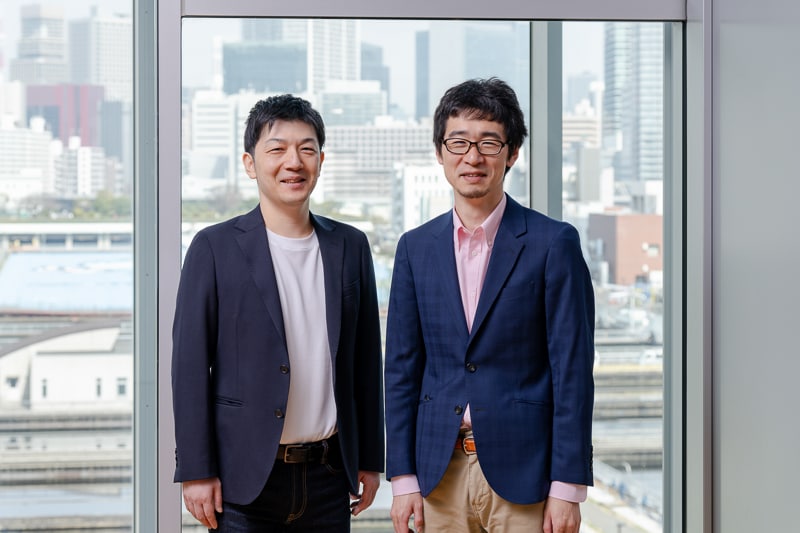
The Alpha 9 III, launched in 2024, is the world’s first interchangeable-lens mirrorless camera equipped with a global shutter full-frame image sensor. Bringing this camera to market was made possible by the efforts of engineers across Sony Group who took on the challenge of getting closer to the expressive capabilities photographers strive for. We sat down with Akihiro Hara, who led the commercialization of the camera, and Toshiki Kainuma, who spearheaded the development of the global shutter image sensor, to speak about the challenges behind the Alpha 9 III.
-

Akihiro Hara
Sony Corporation
Technology & Engineering Center
Imaging System Technology Division
System Technology Department 2 -

Toshiki Kainuma
Sony Semiconductor Solutions Corporation
Imaging System Business Division
IS Business Department 3
To Create a Camera Like No Other
──Please tell us about Sony Corporation and Sony Semiconductor Solutions Corporation, the companies you each belong to, and how they worked together to commercialize mirrorless interchangeable lens cameras.
Hara:Mirrorless interchangeable lens cameras contain many components, and one of the most critical elements that determines camera performance is the image sensor. The specifications for the image sensors used in Sony’s digital interchangeable lens cameras, including the Alpha 9 III, are determined by Sony Corporation, where I work. The company responsible for developing the image sensors that bring these specifications to life is Sony Semiconductor Solutions Corporation, where Kainuma-san works.
──Could you please explain what the global shutter system in the Alpha 9 III image sensor is?
Kainuma:There are two types of image sensors used in digital cameras, rolling shutter and global shutter. With a rolling shutter, the image sensor exposes and reads each row of pixels on the photosensitive surface line by line from the top sequentially, whereas a global shutter exposes and reads out all the pixels simultaneously.
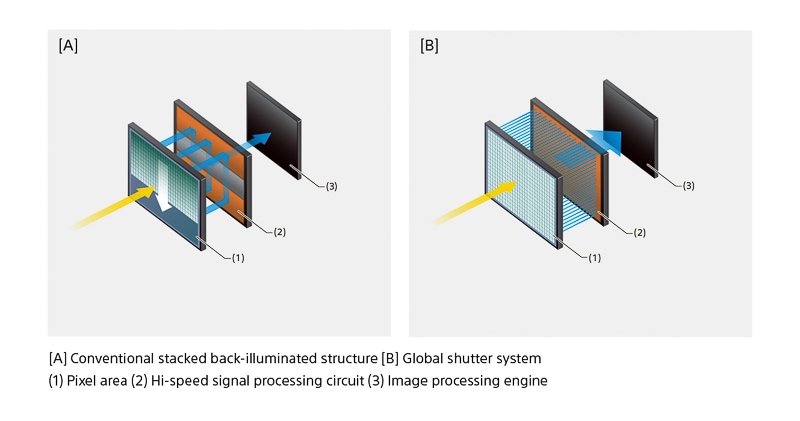
Hara:Cameras with global shutter image sensors have actually existed for some time in professional video cameras and still cameras with CCD image sensors, for example. However, until the release of the Alpha 9 III, all interchangeable-lens digital cameras equipped with CMOS image sensors, which are used widely today by both professional and amateur photographers, relied solely on the rolling shutter system.

──Why was a groundbreaking global shutter image sensor essential for the Alpha 9 III?
Kainuma:For some time, professional photographers have been asking us to resolve an issue inherent to the rolling shutter image sensor structure—one that is very difficult to completely eliminate.
One well-known example is when photographing a moving train from the side—the bottom of the train appears slightly ahead of the top, causing a slanted distortion. A similar effect occurs in sports photography, such as when capturing a golfer's swing or a field hockey player's shot. This phenomenon is known as rolling shutter distortion, which happens when shooting fast-moving subjects.
Hara:Another example is flicker*1, where LED or fluorescent lighting causes striped patterns to appear in the image depending on the shooting conditions, and flash banding*2, where part of the image turns white when multiple cameras fire their flashes simultaneously, such as during a press conference. These are both issues inherent to the line-by-line readout structure of the rolling shutter, making them very difficult to eliminate completely.
By exposing and reading out all pixels simultaneously, it becomes possible to capture a moment without distortion, thereby resolving these issues and enabling the capture of scenes that were previously impossible to shoot.
We believed that by adopting the global shutter system, we could take a step closer to the expressive capabilities sought by professional photographers.
Collaborating as a Group to Tackle Challenges Together
──What technical hurdles did you face in introducing the global shutter image sensor?
Hara:There were various hurdles that the Alpha 9 III had to overcome, such as image quality and image sensor manufacturing, but one of the major hurdles was power consumption. Since the global shutter system converts light from all image sensor pixels into electrical signals simultaneously, it consumes more power compared to the rolling shutter system, which reads out line by line. For battery-powered cameras, this means fewer photos can be taken on a single battery charge. As a result, the battery would need to be replaced more frequently, which could significantly detract from the shooting experience compared to conventional products. This was a critical issue to resolve, especially for photographers capturing decisive moments such as in sports, where missing a shot could mean a lost opportunity.
Kainuma:To solve this problem, we first worked on reducing the power consumption of the image sensor itself. However, that alone was not enough to reach our goal figure, we hit a wall. In order to optimize power consumption for the entire camera, Sony Corporation and Sony Semiconductor Solutions Corporation formed a joint working group from the image sensor development stage. Through repeated intensive discussions, we sought common ground within the constraints and ultimately achieved our power consumption goal.
Hara:In typical camera development, communication between the company supplying the image sensor and the company commercializing the camera usually occurs only between the project leaders from each company. As a result, even if the project leaders share a common understanding of the issues to be solved, the messages often become like a game of telephone when passed on to team members, and important information may not be conveyed effectively in one go.
However, at Sony, because the companies involved in image sensor development and manufacturing and those involved in camera development and mass production belong to the same group, we are able to establish a framework of close communication from the early stages of the project by involving members from all companies. This allows us to accurately work toward the camera experience we want to deliver and solve issues efficiently, enabling us to move the project forward with a strong sense of unity.
On the other hand, in addition to the power consumption issue, we also faced significant issues late in development that couldn’t be solved using our accumulated know-how.
With limited time, solving these problems is very difficult. However, because we worked closely together as a group company from the image sensor development stage onward, we were able to overcome these challenges and meet the originally planned launch date without any delays.

Evolving α Together With Creators
──How have users reacted to the product since its launch?
Hara:The response immediately after the announcement was extremely strong. Some even said, “This marks a generational leap in cameras.” Once the catalog specs were released, people had the opportunity to try out the actual camera at trade shows and other events, and we received a great deal of positive feedback. We felt that it was important for users to physically experience the product, as it allows them to notice aspects that can’t be fully conveyed through specs alone.
The Alpha 9 III's dedicated website features the works of many professional photographers and their reviews of the camera. Seeing the kinds of photos that can actually be captured with the camera is very moving, and comments such as “This shot could only have been taken with the Alpha 9 III” make us feel that we’ve created a product that truly meets the expectations of professionals.
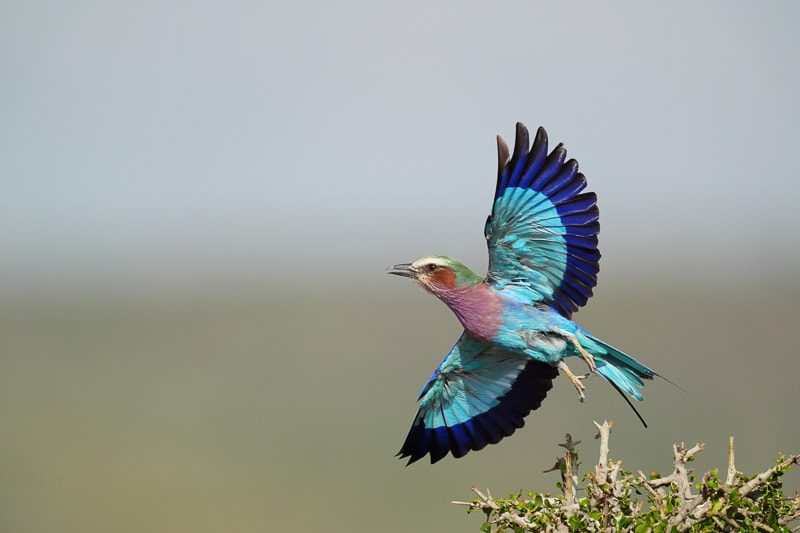
Sony also hosts "Kando Trip" events where photographers and other creators can experience Sony's cutting-edge products firsthand.
This event started in 2017 in the U.S. as a creator-focused event specializing in still shooting. Since then, it has evolved into a truly unique Sony event, with participation not only from photographers but also from Sony Group’s affiliated companies in sound, mobile, pictures, gaming, and music, as well as a broader range of creators, including vloggers.
For example, photographers can take part in workshops covering a range of shooting situations such as portrait and sunset photography. It serves as a space where creators can inspire one another, and where Sony engineers can learn directly from the creators, as participants provide a great deal of feedback that can be applied to future product development.
Having an opportunity like this, where Sony collaborates closely with creators in thinking about content creation such as photography, is something I consider to be one of Sony’s strengths.
A Corporate Culture that Supports Challenges
──Finally, what are your thoughts on the challenges you faced with the Alpha 9 III, and what did you learn?
Hara:Taking on the challenge of developing a world-first product came with one hurdle after another. But because we were able to build a unified, collaborative structure from the very start of development, many people proactively proposed solutions, and we were able to tackle the issues together as one team.
This project reaffirmed for me that even things one person or one department alone couldn’t achieve can be realized when the entire team shares a common vision and works toward the same goal.
Kainuma:From the initial concept stage of the Alpha 9 III, we were working in close collaboration with Hara-san’s team, which allowed us on the image sensor development side to gain a clear understanding of the camera’s intended direction. We truly felt that everyone was aligned and moving toward the same goal.
By tackling the project together as part of the Sony Group, communication flowed more smoothly, and we were able to clearly identify the hurdles we needed to overcome. That, in turn, accelerated our problem-solving. Sony vertically integrates the entire process from image sensor development and manufacturing to camera development and production, and I truly felt that this is the core strength of the Alpha series.
Hara:I also came to realize the importance of corporate culture. I believe the Sony Group offers many opportunities for those who take the initiative in taking on challenges. It was precisely because of this culture of entrusting large projects to mid-career employees like myself and Kainuma-san that I was able to approach the work with a strong sense of motivation and responsibility. Personally, I feel it allowed me to grow significantly.
Kainuma:The development of the Alpha 9 III’s image sensor was the second project I was involved in as project leader. I took on the role because I wanted to live up to the expectations of my supervisor at the time, who believed in me and entrusted me with the responsibility. It was undoubtedly the most challenging project since I joined the company, and although I had many anxieties, we were able to see it through to completion. It was a valuable experience that made me realize the importance of taking on challenges and stepping forward.
Although my role has since changed and I’m no longer directly involved in developing image sensors for mirrorless interchangeable-lens cameras, I want to continue taking on new challenges by drawing on the experience I gained through developing the Alpha 9 III.
- *1Flicker is a phenomenon in which flickering lights cause horizontal bands to appear on the picture or causes part of the picture to change color.
- *2Flash banding is a phenomenon in which the presence of a lighting source with a very short flash duration, such as a flash or strobe, causes differences in brightness across the picture. This happens due to a mismatch in exposure timing and readout times for each line.